


 Home
 XBD
 Oct 27,2026

Thermographic paper commonly refers to heat-responsive media; its printing method and intended application must be identified before a roll or sheet is selected.
A Heat-Sensitive Surface Explains The Printed Mark
In a direct thermal printer, selected elements in the print head heat the coated paper surface to create an image. The paper supplies the image-forming layer, so the machine does not need a separate ink ribbon for that process. Understanding this relationship explains why ordinary paper can feed through a mechanism yet fail to produce the intended mark.
The Printer And The Coating Work As A Pair
The visible result depends on suitable media meeting a compatible print head under the correct operating conditions. The machine controls where and when heat is applied; the media responds at those locations. A roll's white color does not reveal whether it has the required coating or whether that coating is suited to the intended printer. Product identification and the device instructions remain necessary.
Brother's explanation of thermal printing distinguishes direct thermal media from a ribbon-based process. That basic distinction is useful background, but it does not approve any particular roll for a device. The practical next step is to identify the printer's specified media type and loading arrangement. A broad search term should be translated into those concrete requirements before discussing a particular grade.
The Word Thermographic Needs An Application Context
People may use related thermal terms for different heat-based imaging tasks. A receipt roll, a specialist stencil material and paper intended for a particular portable printer should not be assumed interchangeable because their names mention heat. Describe the machine, the required output and how that output will be used. This article concerns heat-sensitive direct thermal media, with verified roll formats as examples.
The site's product overview and roll catalogue provide a relevant starting point for this scope. They do not establish the availability of every specialty material that might appear in a search for thermographic paper. When a request concerns a different process, the correct response is to identify that process and confirm the material, rather than relabel a receipt roll.
Separate The Image-Forming Layer From The Roll Format
A coating determines how a surface forms an image, while converting and winding determine how the paper fits and travels through a machine. These are connected requirements, but neither can replace the other. A physically fitting roll may still be the wrong media, and a suitable coating may be supplied in a roll that cannot be loaded.
Width, Diameter And Core Describe Different Constraints
Width relates to the feed path and printable area. The outer diameter must fit the roll compartment. The core or coreless center must suit the holder and loading arrangement. Each dimension describes a different interface, so an order should not reduce them to an ambiguous two-number label. Record the dimension names and measurement basis in the specification.
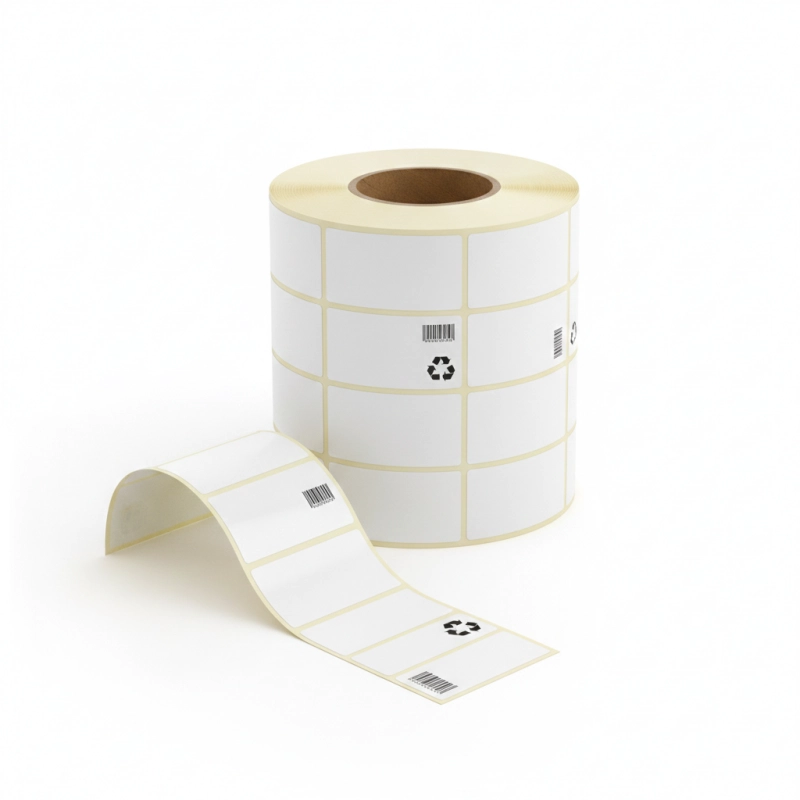
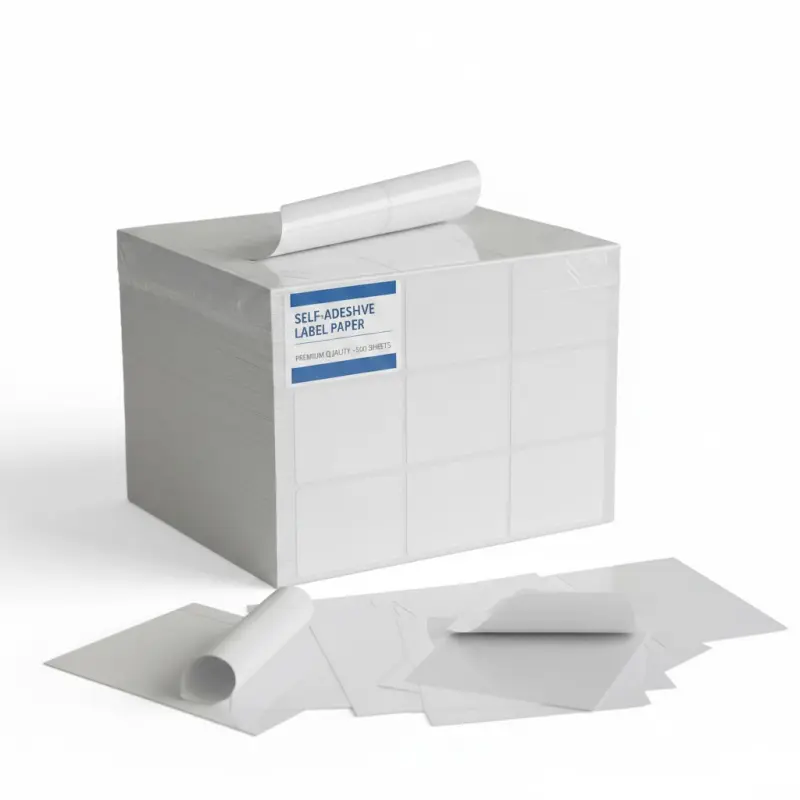
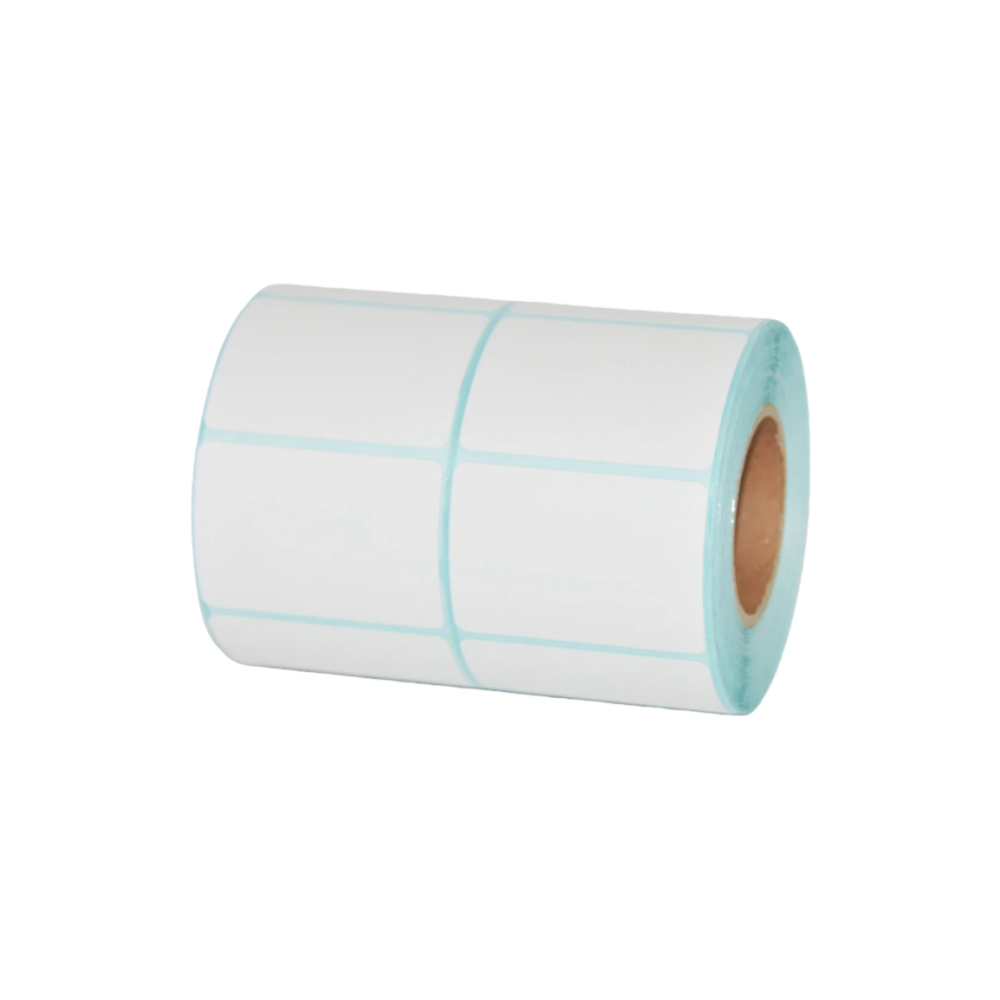
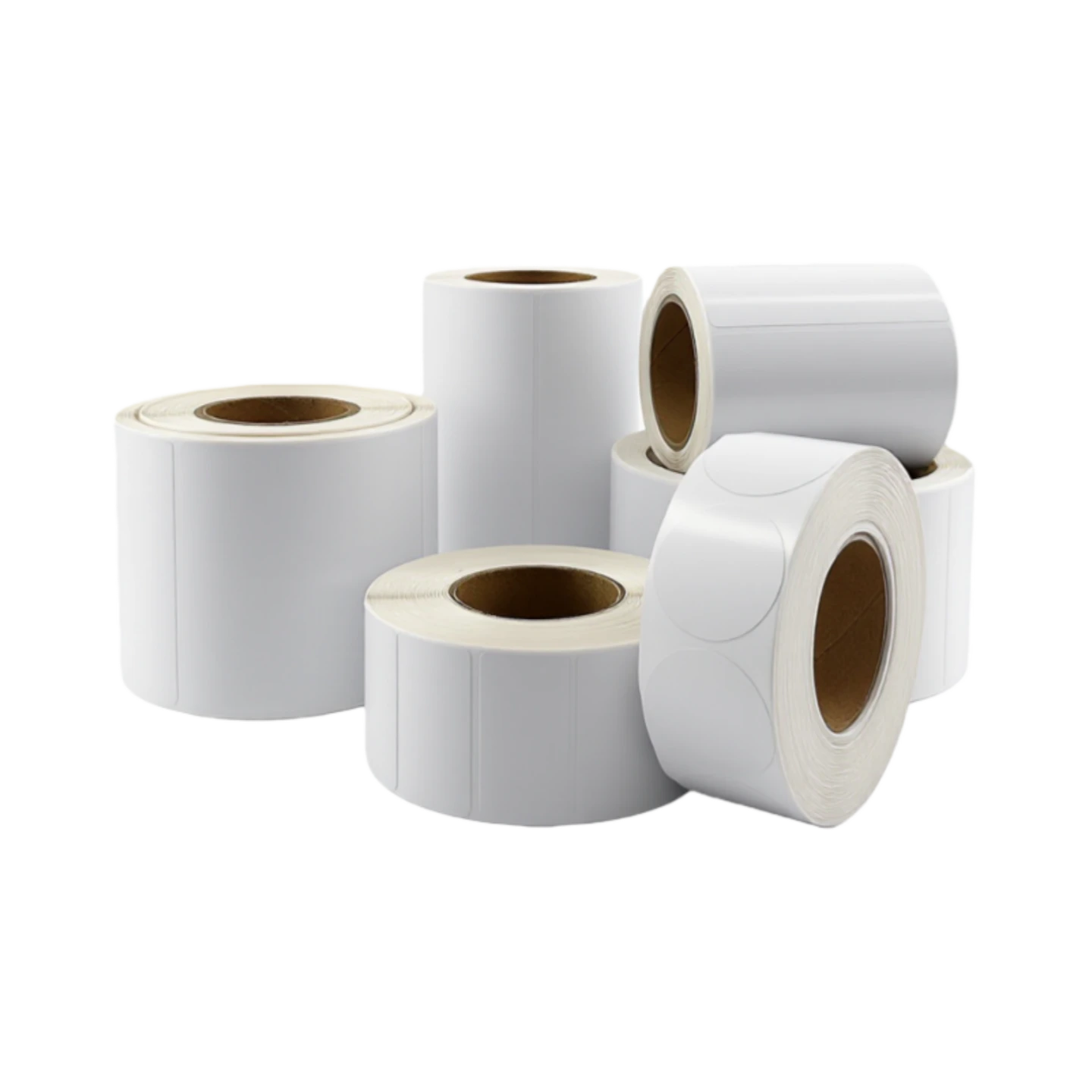
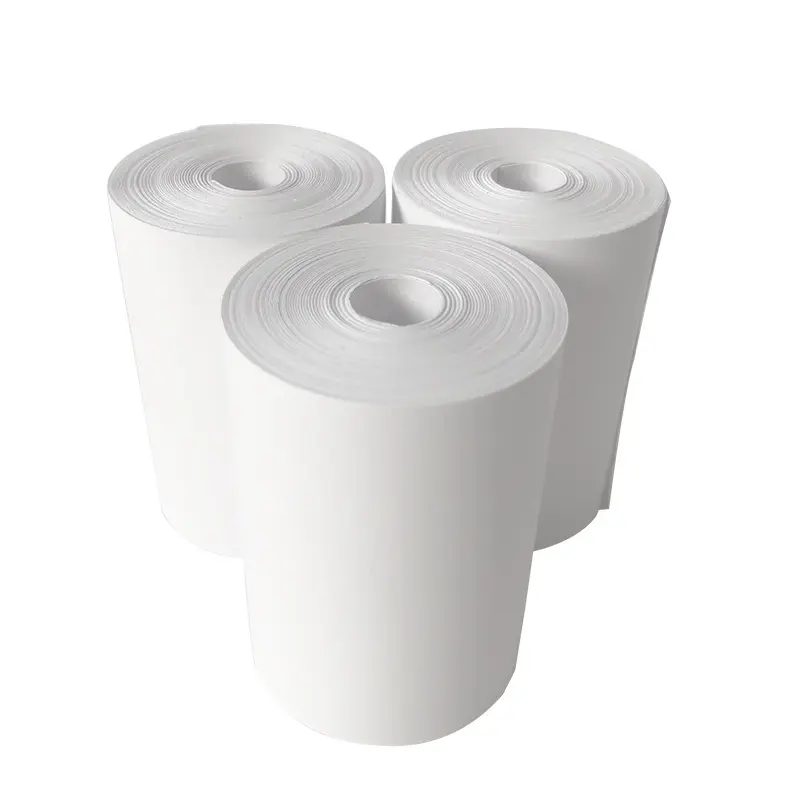
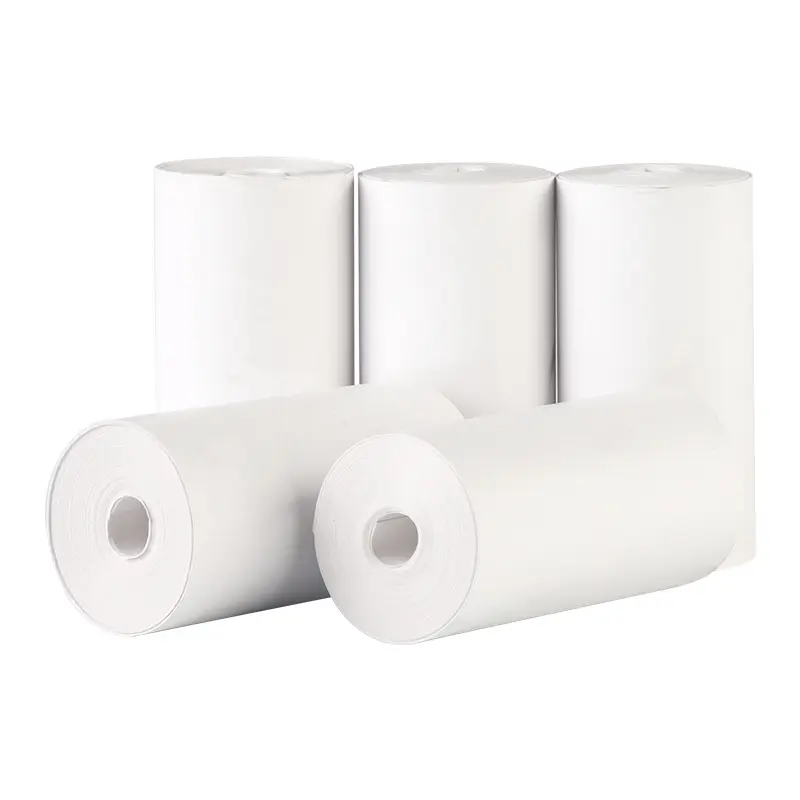
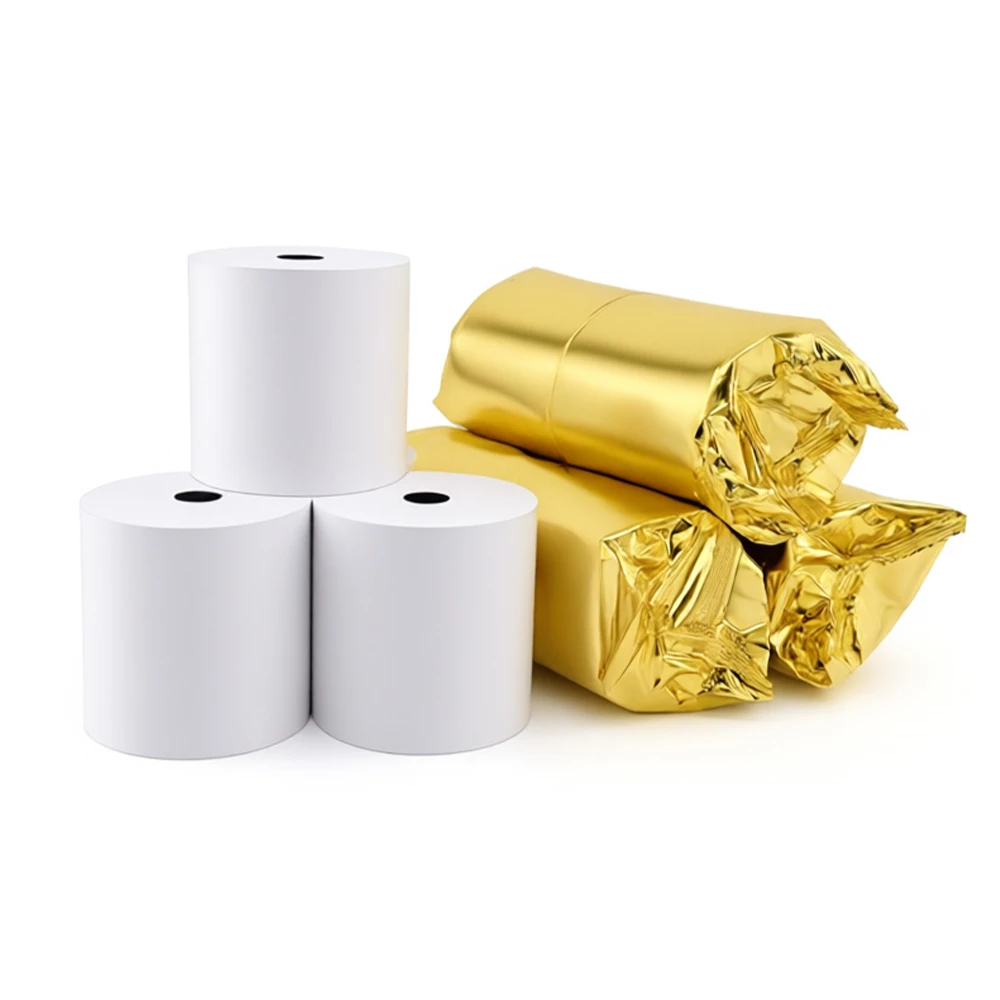
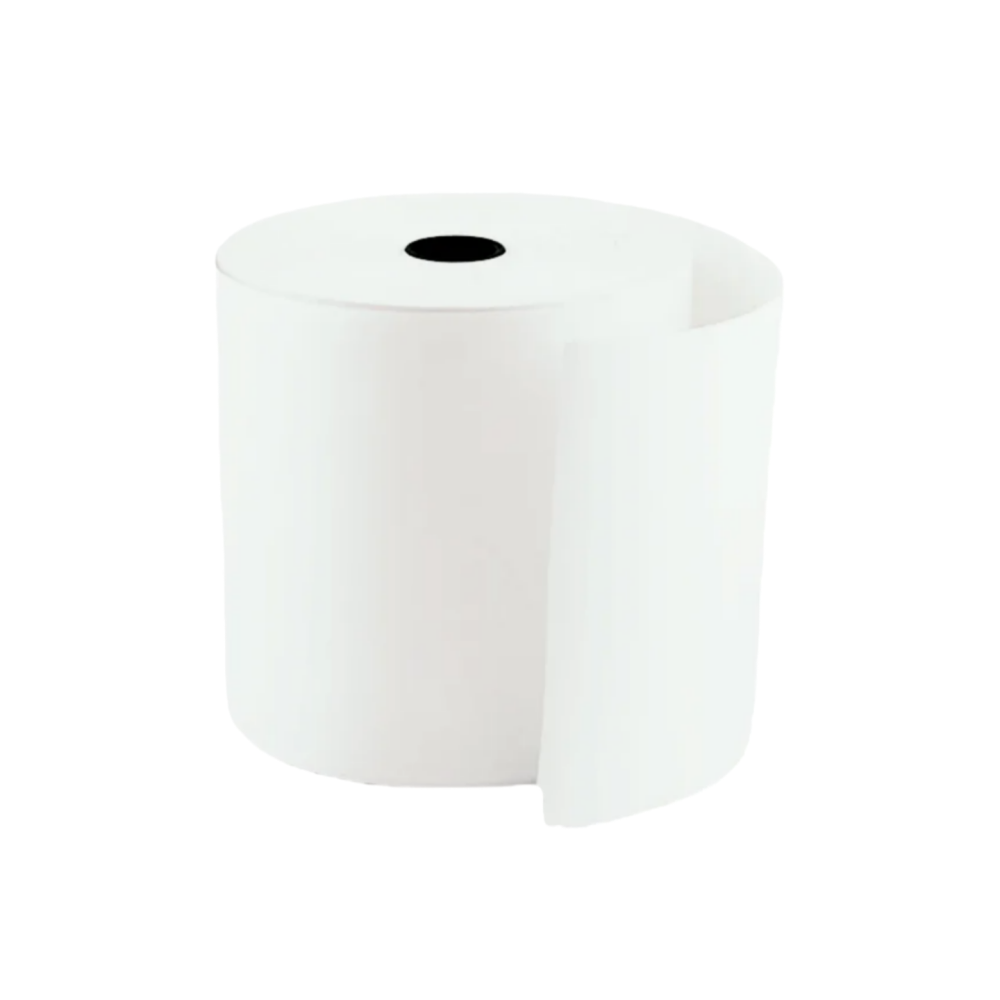
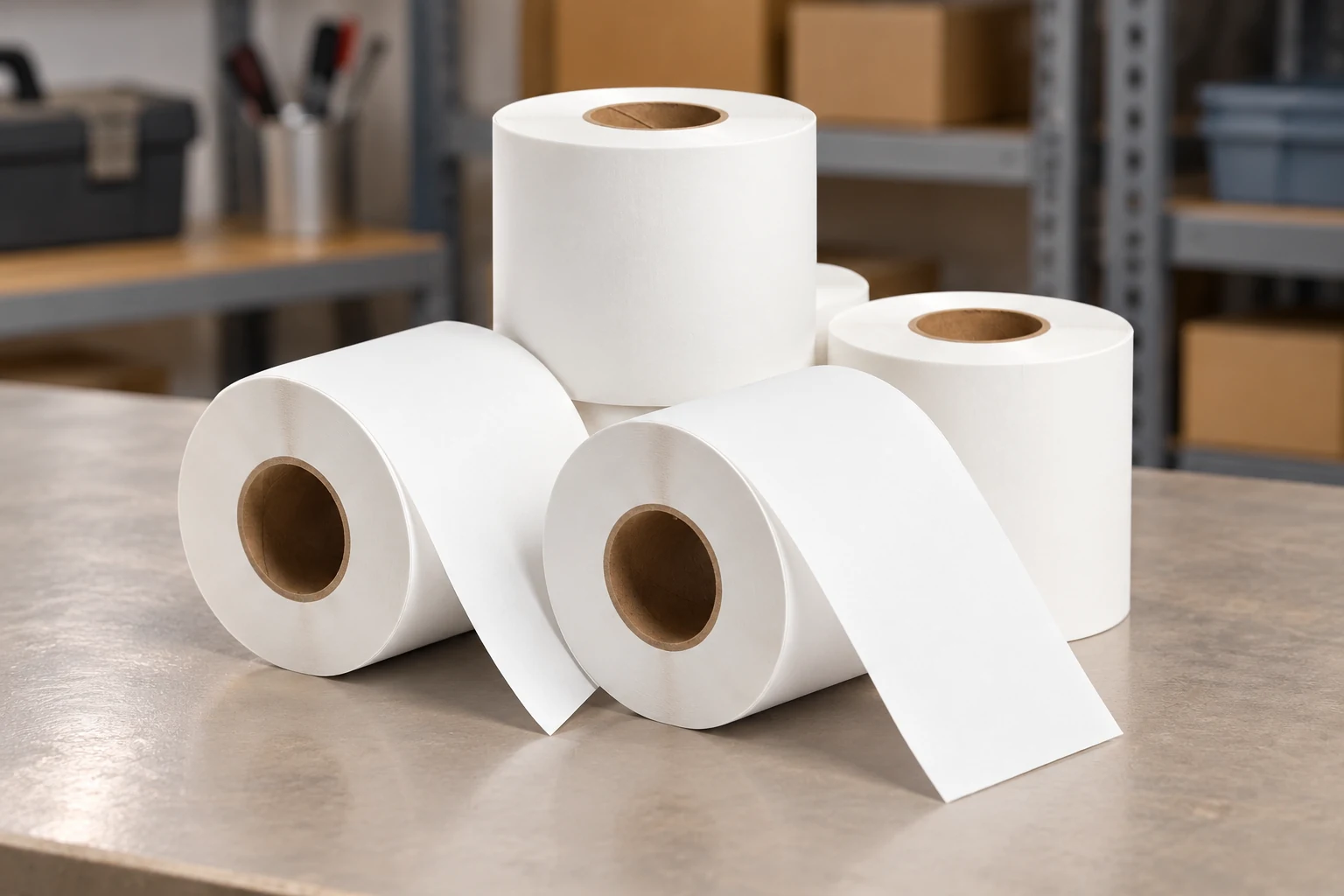
The product photographs in this article show blank roll arrangements from the site's catalogue. The catalogue roll arrangement illustrates physical formats; they do not establish an exact size, length, coating chemistry or image-retention period. Those attributes need the relevant product specification. The company profile provides supplier context, while the actual media document must describe the roll under consideration.
Length Cannot Be Read Reliably From Outer Diameter Alone
Two rolls with similar outer diameters can contain different paper lengths when their thickness, core size or winding differs. Likewise, a stated weight is not the same as a usable length. Compare like-for-like definitions and ask how the supplier declares the quantity. The goal is not to infer a hidden value from a photograph, but to avoid comparing incompatible descriptions.
Converting turns paper stock into usable widths and lengths. Winding and edge condition then influence how consistently the roll feeds. A thermal roll category can identify available product families, but a final selection still needs the exact supplied construction. Do not treat every listing in a family as the same grade with a different name.
Direct Thermal And Thermal Transfer Use Heat Differently
The simplest distinction is where the image-forming material comes from. Direct thermal printing activates the paper's coating. Thermal transfer printing uses a ribbon to place an image on a compatible receiving material. Both use a thermal print head, but their supplies and operating requirements are different.
| Question | Direct thermal media | Thermal transfer arrangement |
|---|---|---|
| Where does the mark originate? | A heat-responsive coating on the media | Material transferred from a ribbon |
| Is a ribbon part of the process? | Not for the direct thermal image | Yes, with a suitable media and ribbon combination |
| Does roll fit establish compatibility? | No; the coating and device requirements also matter | No; the ribbon and receiving material must also match |
| What should be named in a request? | Printer, media type, dimensions and use conditions | Printer, receiving material, ribbon and use conditions |
| Can appearance prove durability? | No; relevant evidence and handling conditions are needed | No; the actual print combination must be assessed |
A White Surface Does Not Identify The Printing Process
Ordinary copy paper, direct thermal media and some transfer-compatible materials can look superficially similar. Touch or color is not an adequate acceptance method. Use the package identification, current specification and printer instructions together. If the supplied material is unlabelled or uncertain, keep it separate until its identity is confirmed rather than raising the print energy to force a result.
The Printed Image Has A Life After Leaving The Machine
A readable fresh print is only one part of a useful result. The paper may later be folded, carried, stored with other materials or exposed to heat and light. The appropriate media depends on that real journey. A claim about image life is meaningful only when its conditions and evidence match the intended task.
Separate Unused Stock From Printed Records
Unused stock needs protection before printing, while printed records must remain readable for their intended purpose. Those are related but different questions. Ask for the relevant handling instructions and keep the supplier's conditions with the specification. Avoid inventing a universal storage temperature or retention period: grades and documented requirements differ.
Heat, strong light and incompatible contact materials can affect thermal media. A practical review identifies foreseeable exposures instead of assuming that a carton will remain in ideal conditions. For example, a roll stored near a warm window and a receipt kept inside a vehicle face different conditions from stock in a controlled cupboard. These are scenario questions, not measured findings about a particular supplied grade.
Evaluate The Required Record, Not An Unqualified Promise
Clarify what needs to remain legible: a short-lived queue ticket, transaction details, a barcode or a document retained for an internal process. Each output creates a different reading task. If long-term access matters, decide how the information will also be retained in the relevant record system. Paper appearance alone cannot guarantee future access to the underlying information.
A statement that thermographic paper is suitable for a job should therefore identify the exact media and the relevant conditions. If the evidence covers only an initial print, it should not be expanded into a long-term durability claim. The technical article archive offers related reading, but an article is not a substitute for the current specification or product-specific test evidence.

Read A Sample In The Context Of Its Intended Use
A useful sample review links the media identity, device and output. Keep the printer model, the sample identification and the settings used in the same record. Then compare the result with the task the print needs to perform. A dark-looking patch and a reliably readable output are not necessarily the same thing.
Begin with the machine's ordinary documented procedure. Confirm loading direction and media compatibility before changing settings. If a printer provides its own test print, that can help distinguish basic media and hardware behavior from application formatting. It does not isolate every possible fault, but it creates a more controlled starting point than repeatedly changing several factors at once.
For a barcode or fine text, assess the actual intended output rather than a random solid block. Keep comparisons under the same stated conditions and avoid assigning unsupported numerical tolerances. Where a formal test method or acceptance limit is required, agree it with the relevant technical parties. The purpose of a small comparison is to reveal questions, not to create an unofficial certification.
After the sample is selected, record how the delivered stock will be identified against it. A similar carton or the same nominal width is not enough if the grade or construction has changed. The product information contact can be used to resolve an unidentified grade or document discrepancy; that is a clarification step, not evidence that an untested substitute is equivalent.
Frequently Asked Questions
Is Thermographic Paper Always The Same As Receipt Paper?
No. The term can be used broadly, so the intended process should be stated. Direct thermal receipt rolls are one familiar example of heat-sensitive media, but the name alone does not establish suitability for a specialist printing or imaging task. Identify the device and required output first.
Does A Direct Thermal Printer Need Ink?
Its direct thermal image is formed by heating a suitable coating, without a separate ink ribbon for that process. This does not mean any paper will work. The media must match the printer's requirements, and a machine that supports another thermal process may have different supply arrangements.
Can Roll Dimensions Prove The Coating Is Suitable?
No. Dimensions establish physical interfaces such as feed width, compartment fit and core arrangement. The coating is a separate part of media compatibility. Both should be checked using the current documents for the printer and the supplied roll, even when the sample fits easily.
Why Can A Fresh Print Look Good But Later Become Hard To Read?
The image can be affected by later exposure and handling. Thermal media storage guidance and the conditions attached to any retention claim matter. A sample's first appearance cannot establish how it will perform under every future condition or in contact with every other material.
What Information Resolves An Ambiguous Paper Request?
The printer identity, imaging method, required format and intended reading task provide a useful starting point. Add the actual handling conditions and any evidence requirements. That description is more informative than a broad paper name and helps keep the specification connected to the final use.
The useful interpretation of heat-sensitive media joins three facts: how the mark is formed, how the material fits the machine, and what the finished record must withstand. Once those are clear, catalogue descriptions and sample observations become much easier to assess.
 You May Also Like