


 Home
 XBD
 Oct 10,2026

POS machine paper roll manufacturers should be assessed through a documented sample approval process that connects printer requirements, roll measurements and repeat production.
A paper roll can look correct on a desk and still perform poorly in a particular terminal. A supplier decision therefore needs more than a catalogue size and a clean first receipt. It needs an agreed test method, a traceable sample and a clear rule for what happens when production differs. The purpose of these checks is to establish a repeatable supply specification for continuous thermal receipt paper.
Begin With The Installed Printer, Not A Familiar Roll Size
Record The Exact Model And Loading Arrangement
Printer compatibility starts with the installed equipment list. Record the manufacturer, model, paper guide configuration and any approved accessory that affects the compartment. Similar looking terminals may use different paper widths or maximum outside diameters. A roll that fits one machine is not evidence that it fits every unit at another counter. Keep the applicable manual revision with the request rather than relying on an informal description such as standard till paper.
Equipment manuals separate supported paper dimensions from recommended media characteristics. This distinction matters: fitting inside a compartment is one check, while feeding, cutting and producing a stable image are others. Where a manual lists qualified paper grades or restrictions, ask the supplier to explain how its proposed material corresponds. Do not accept a broad compatibility claim without identifying the equipment to which it applies.
Define The Receipt Duty And Storage Conditions
Describe a normal print job and a demanding print job before samples arrive. Include representative text, barcodes where used, repeated cutting and the expected interval between transactions. The supermarket application page provides relevant checkout context, but an application photograph does not establish performance in a specific printer. Approval should come from the actual device and agreed operating conditions.
Also record how unused rolls and printed receipts will be handled. Heat, moisture, friction and contact with some chemicals can affect thermal media. A claim about long image life needs a stated test method and exposure conditions. A short checkout trial can confirm immediate readability; it cannot independently prove a multi-year retention claim.

Turn The Proposed Roll Into A Measurable Specification
Check Roll Dimensions As Separate Variables
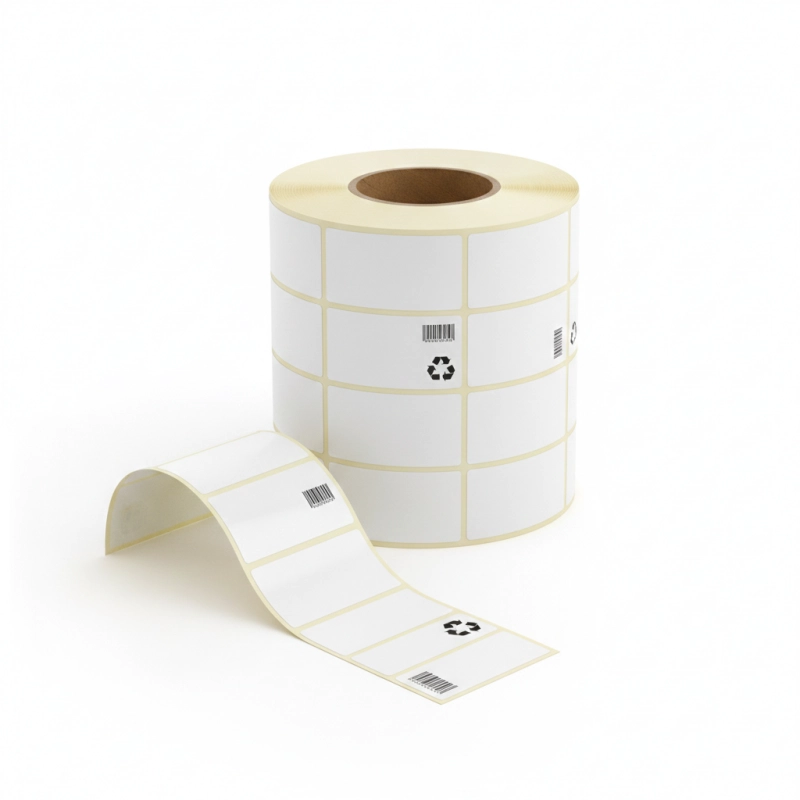
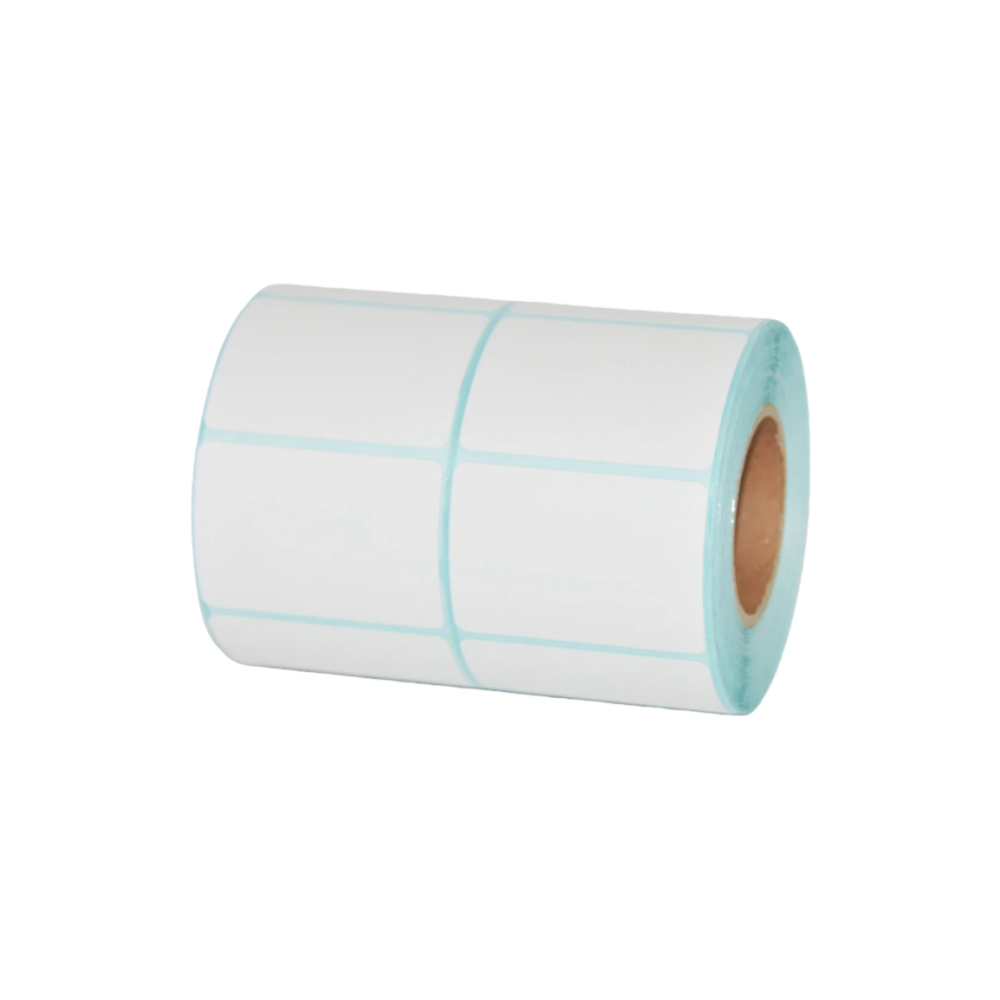
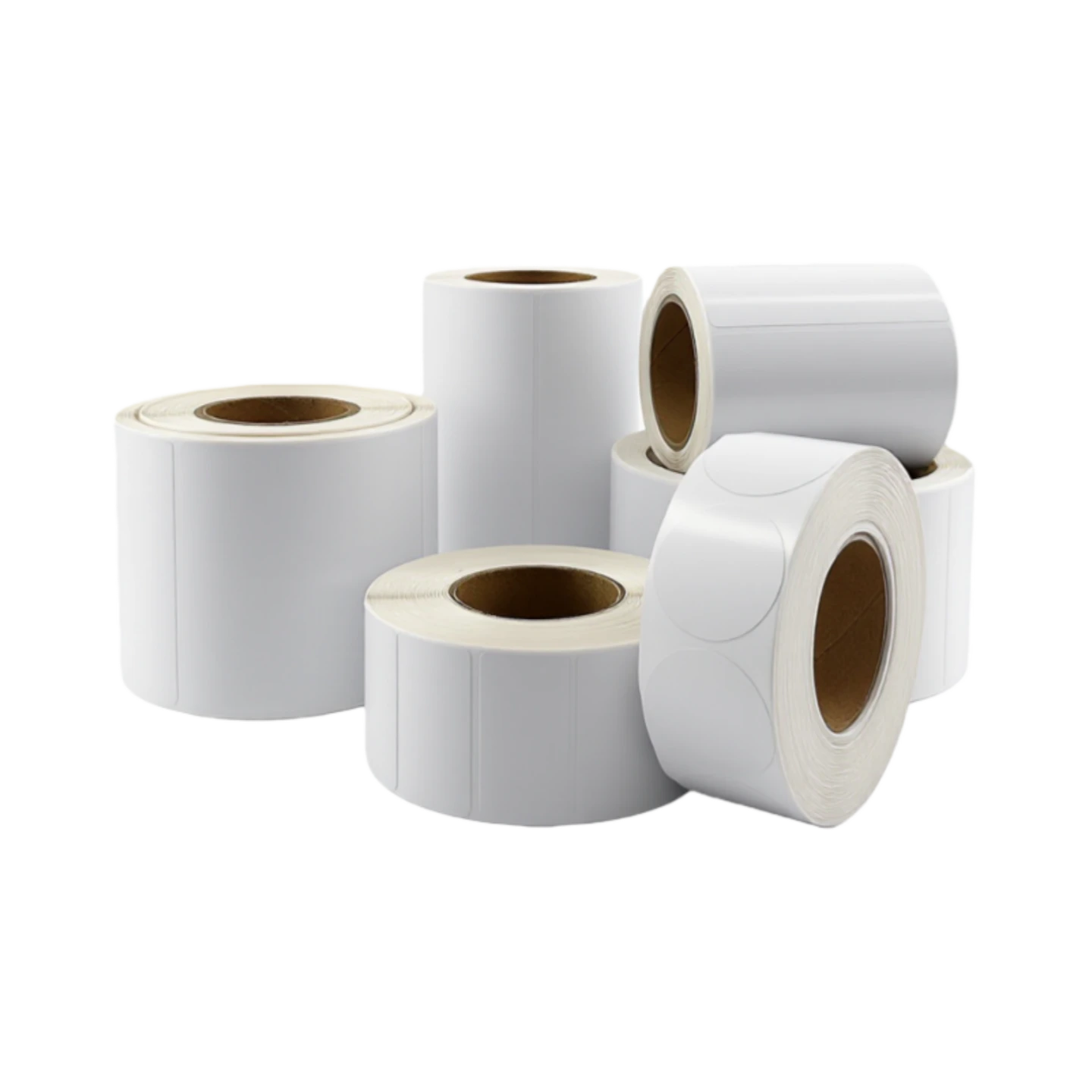
Record paper width, maximum roll diameter, core dimensions and winding direction individually. Confirm the units and tolerance for every agreed dimension. Nominal width alone leaves several reasons for rejection unresolved. The compartment might close around a full roll while the paper rubs against a guide, or an unsuitable core might interfere with the final portion of the roll. Photograph measurements alongside the sample identifier so that the record remains interpretable later.
Separate Length, Thickness And Outside Diameter
A larger diameter does not necessarily mean more usable paper. Paper thickness, core size and winding tightness affect the relationship between the outside diameter and the length carried by the roll. Ask how length is specified and verified. When comparing offers, use the same basis and clarify whether leaders, end markings or unusable sections are included. Avoid converting a diameter into a promised length without an agreed method.
Coating side and winding orientation should be explicit too. A thermal printer needs the responsive surface facing its print head. A wrong orientation may produce blank output even when the dimensions are correct. Identify the roll loading orientation in the approved record so that a later packing or winding change cannot silently alter the supplied configuration.
| Check | Evidence To Retain | Approval Question |
|---|---|---|
| Paper width and outside diameter | Measured values, units, tolerances and sample ID | Does the full roll fit and feed without rubbing? |
| Core and winding direction | Core measurements and loading photograph | Does the paper load and unwind correctly? |
| Length and thickness | Declared specification and verification method | Are competing offers based on equivalent usable supply? |
| Print and cutting behaviour | Test file, device settings and retained receipts | Does the proposed grade work in the named printer? |
| Packing and lot identity | Carton label, protection method and traceability record | Can delivered stock be matched to the approved version? |
Make The Sample Trial Repeatable
Use A Known Working Roll As A Control
A useful trial compares the proposed sample with a known working roll under the same conditions. Record the device, firmware where relevant, print density setting, speed configuration and maintenance state. A dirty head or a changed setting can make a good sample appear poor. Conversely, increasing print energy until one trial succeeds can conceal an unsuitable material. Keep adjustments visible in the record.
Print the same test content on each sample and retain the output with its date and identifier. Check legibility, consistent darkness, missing areas and barcode scanning where the receipt uses barcodes. The sample approval decision should describe what passed and what remains conditional. A clean photograph of one receipt is useful supporting evidence, but it does not establish consistency over an entire roll.
Observe Feeding From Full Roll To Near Core
Printer compatibility can change as a roll unwinds. Observe paper travel, curl, cutting and the final usable section instead of testing only the first few turns. Record jams, skew, unexpected dust or fragments and any circumstances that reproduce the issue. If an event also occurs with the control roll, investigate the device before attributing the cause to a supplier.
For POS machine paper roll manufacturers, a practical approval record links each result to a proposed material and converting specification. A handwritten note saying good paper leaves too much room for substitution. A record that identifies the grade, dimensions, winding configuration and packing version gives both sides a clearer basis for repeat orders and corrective action.

Verify How An Approved Sample Becomes Repeat Production
Connect The Sample To Material And Converting Records
Ask whether the sample represents normal production or a specially prepared trial. Neither answer automatically disqualifies a supplier, but the distinction determines what evidence is still missing. Identify the base paper grade, coating description and converting specification at a level that the supplier can control. The factory overview can introduce production context; it cannot prove that a particular shipment used the approved inputs.
Useful traceability follows the roll back through its packing and converting lot. It should allow a complaint to be narrowed to affected stock without assuming every carton is identical. Ask how the supplier retains production records, identifies material changes and communicates a proposed substitution. An equivalent grade should require a defined review, not a silent change justified only by a similar appearance.
Agree On Change Control Before Ordering
Define which changes require a new trial: paper grade, thickness, coating, core, winding direction or packing method may each affect the agreed use. A small administrative correction may need only an updated document, while a material change can require renewed testing. The rule should distinguish those cases and name the person responsible for approval. Without it, an old sample may remain on file after the supplied product has changed.
The company profile is a starting point for identifying the manufacturing and commercial organization. Verify which entity accepts the order and handles nonconforming goods. Published company information and factory imagery support the conversation, while the order specification establishes the particular obligation for the paper being purchased.
Close Approval With A Shipment Acceptance Plan
Keep A Reference Set And A Written Decision
Retain approved rolls and representative printed receipts in appropriate storage, together with the agreed specification and test record. Mark their identity and approval date. Physical references can change with age and handling, so the written requirements remain essential. If a retained receipt fades, that alone does not show that a later shipment changed; the storage history must also be considered.
Use explicit outcomes such as approved for the named printer, approved subject to a documented change, or rejected with a reproducible reason. Separate critical failures from cosmetic observations. A damaged outer carton and an incorrect paper width call for different containment and investigation steps. This distinction helps prevent a vague approval from becoming an argument at delivery.
Match Incoming Stock To The Approved Version
Agree on an incoming inspection approach that reflects shipment size, prior performance and the consequences of interruption. Check identification, packaging condition and selected physical or functional characteristics using the agreed sampling basis. There is no universal sample count that suits every order. The inspection record should make clear what was examined and what inference was drawn about the rest of the shipment.
When a mismatch appears, hold the affected stock, preserve examples and share the evidence before adjusting the printer or mixing rolls across locations. Record carton and lot identifiers, photographs, test settings and the observed result. This information allows the supplier to compare the complaint with retained records. It also makes replacement or corrective action easier to define.

Frequently Asked Questions
Is A Nominal Paper Width Enough To Approve A Roll?
No. Outside diameter, core configuration, winding orientation and the paper grade also matter. Check the equipment manual and verify the proposed sample in the actual printer. Matching one dimension does not establish full compatibility.
Should The Test Use The Highest Print Density Setting?
Use an agreed setting appropriate to the device and application. Record any changes and compare the candidate with a known working roll under the same conditions. A setting changed only to rescue one sample can weaken the comparison.
Does A Bright First Receipt Prove Long Image Retention?
No. Immediate readability and long-term retention are different claims. Retention evidence needs a stated method, exposure conditions and acceptance criteria. Store retained receipts carefully so that later observations can be interpreted meaningfully.
When Is A New Sample Approval Required?
Use the agreed change-control rules. Material, coating, thickness, core or winding changes may require renewed checks. A new trade name alone does not prove a technical change, but an apparently similar roll should not bypass a required review.
What Should Be Sent With A Quality Complaint?
Provide lot and carton identifiers, the device model, settings, photographs and a reproducible description. Preserve unused rolls and printed examples from affected stock. The paper resource archive can support background reading, while shipment-specific evidence guides the actual investigation.
Before approving POS machine paper roll manufacturers, send the named printer models, required roll dimensions and trial checklist through the supplier contact channel. Request a traceable sample and written confirmation of the production specification that will follow approval.
 You May Also Like