


 Home
 XBD
 Oct 26,2026

Selecting thermal receipt paper starts with the printer's media limits, then checks roll construction, print behaviour and the conditions the receipt must survive.
A roll can fit inside a printer and still be a poor match. It may feed unevenly, give weak output at the normal setting, leave an awkward end section or produce a receipt that loses readability during routine handling. Conversely, a dark sample printed on a demonstration machine says little about its performance in a different terminal. The purchasing decision needs a chain of evidence that connects the proposed roll to the actual device and workflow.
The most useful comparison therefore has three boundaries: the printer, the converted roll and the receipt after printing. Treating these as separate checks prevents a single attractive specification from standing in for the whole job. It also helps distinguish a media problem from a loading, maintenance or settings problem when a sample behaves unexpectedly.
Begin With The Printer's Defined Media Envelope
Record The Exact Device And Configuration
Printer compatibility begins with the model and its media instructions. A shared brand name or similar case does not establish identical roll limits. Record the exact model, any installed paper guide, the loading direction and the manufacturer's stated media requirements. If several printer types are in use, create a separate line for each rather than assuming that one successful test covers the whole fleet.
Keep a copy of the relevant manual page with the sample request. This is more reliable than sending a photograph of an empty compartment or a width remembered from an earlier order. Where a manual gives a range or optional configuration, identify which configuration is actually installed. The goal is to turn “fits this printer” into a statement that another person can verify.
Describe More Than The Nominal Width
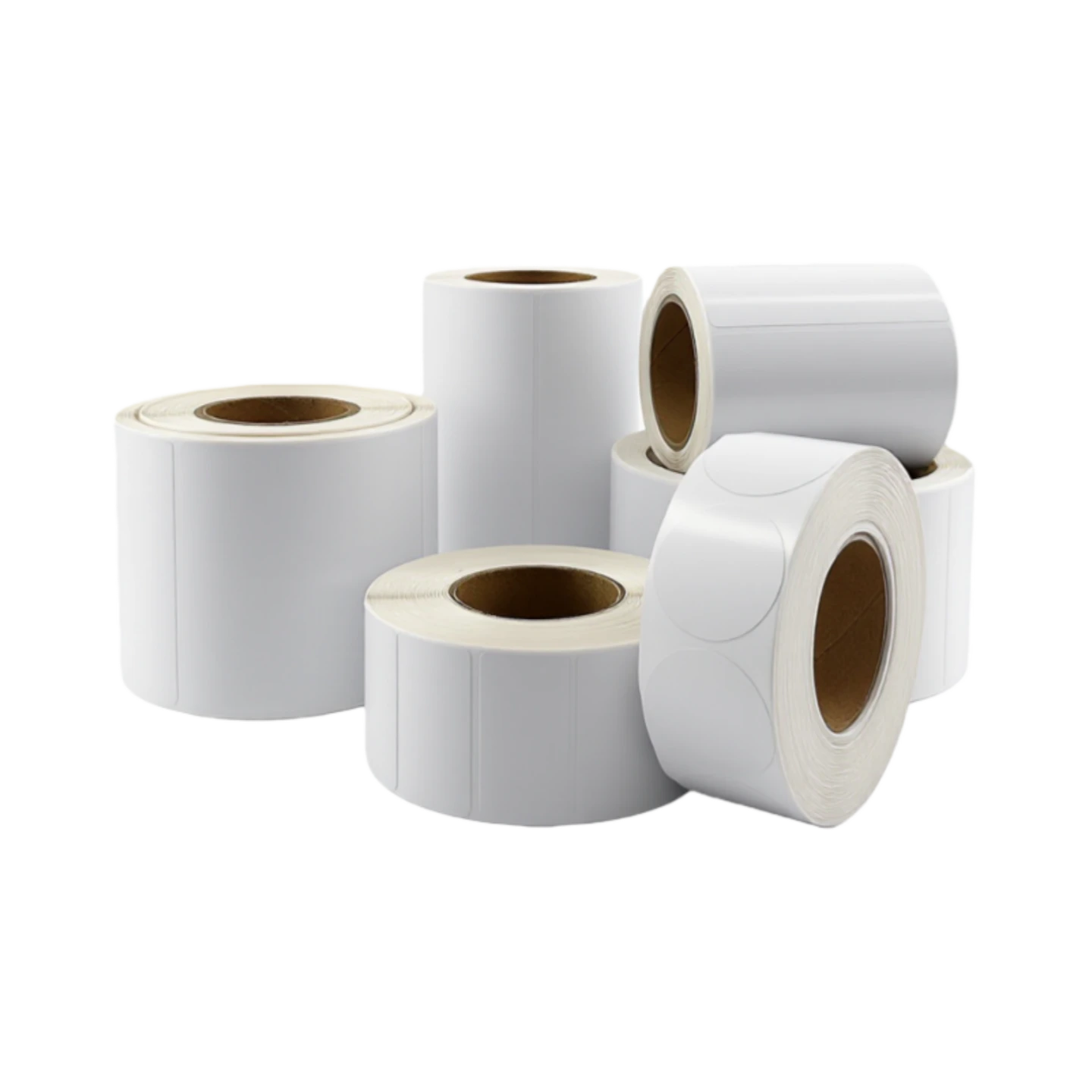
Roll dimensions include the paper width, outside diameter and core arrangement, but those values answer different questions. Width affects the media path; outside diameter affects the available compartment space; the core and end attachment affect how the roll behaves near exhaustion. State the units and measurement convention. A catalogue notation should be unpacked into named dimensions before two offers are treated as equivalent.
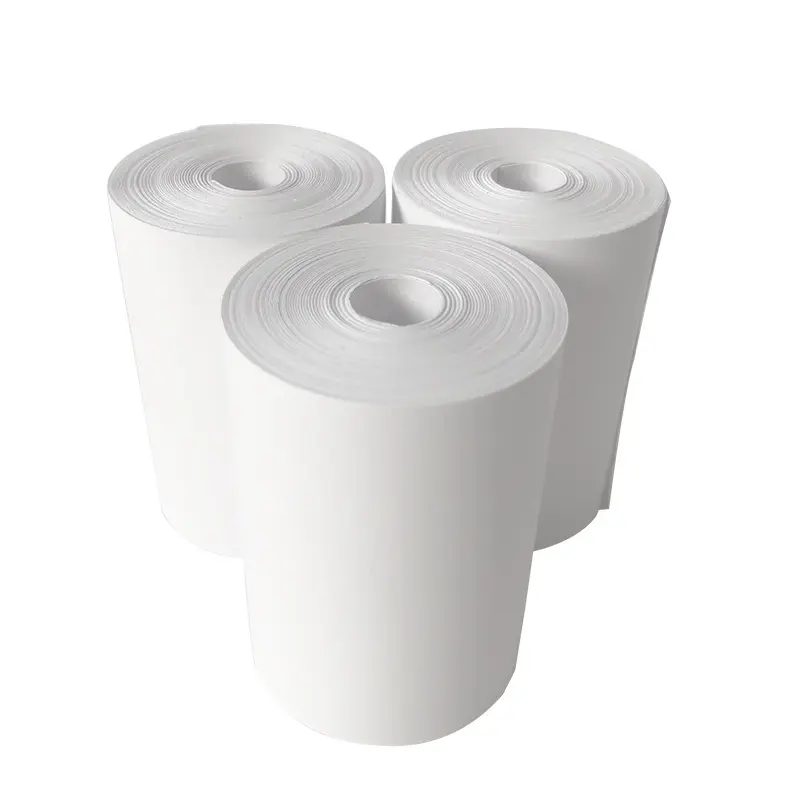
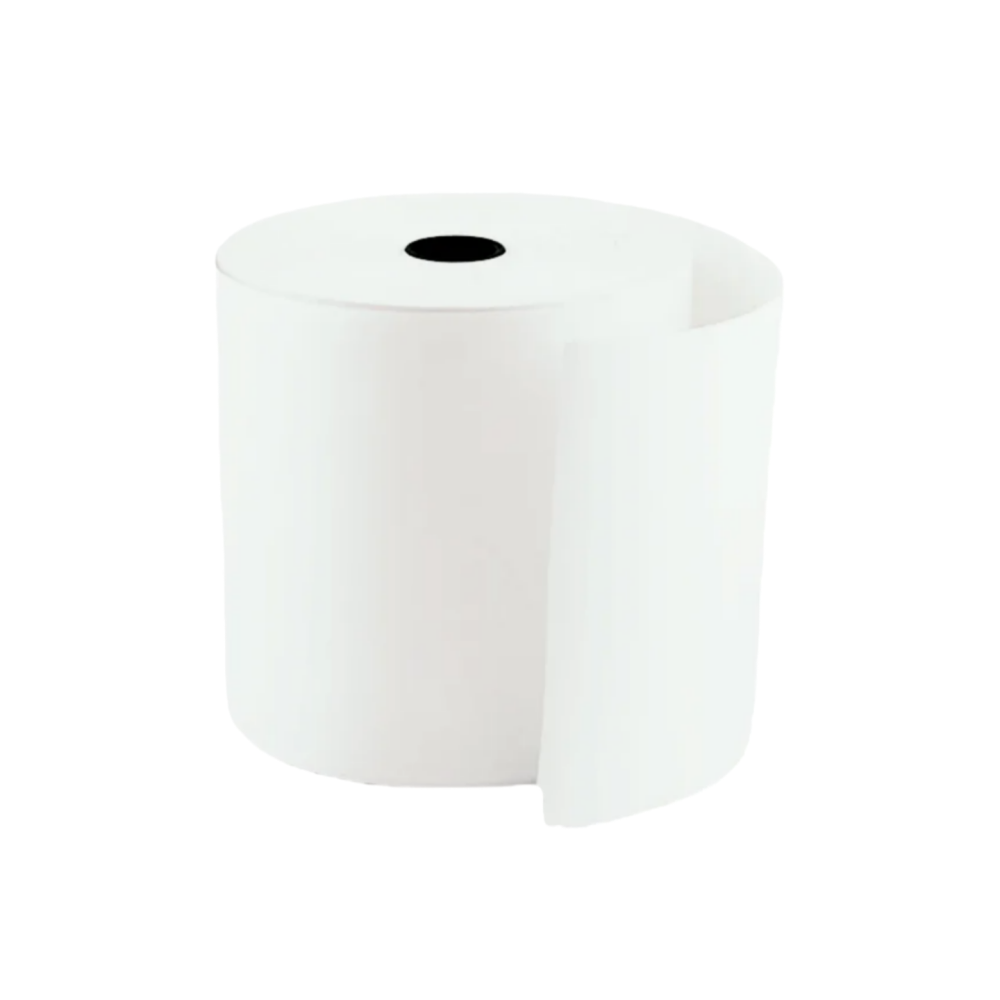
The cash-register roll listing can help identify a relevant product family. The actual order still needs a confirmed roll configuration. Do not assume that a nominal size establishes roll length, paper thickness or usable receipts per roll. Those properties require their own agreed basis and cannot be derived safely from a photograph.
Inspect The Converted Roll As A Mechanical Part
Check Winding, Edges And The End Of The Roll
A roll is a wound component that must unwind consistently. Inspect the side profile, edge condition, winding direction and visible contamination before loading it. Record any telescoping, crushed core, uneven edge or loose outer layers. These observations do not diagnose every feed problem, but they create a useful starting point when comparing a working sample with a troublesome one.
Printer compatibility also depends on what happens during ordinary use, not just the first receipt. Run the sample through a representative part of its length and include the end condition in the review. Check the loading method against the device instructions and avoid forcing a roll that exceeds the stated limits. A new roll that fits only when compressed is not evidence of a satisfactory match.

Keep The Coated Side And Printing Method Clear
Direct thermal media produces an image through its heat-sensitive coating. Confirm that the offered material and winding direction suit the printer's path. A faint result can arise from several causes, including incorrect loading or unsuitable settings, so it should not be diagnosed solely from the paper's colour. Follow the device instructions before comparing media performance.
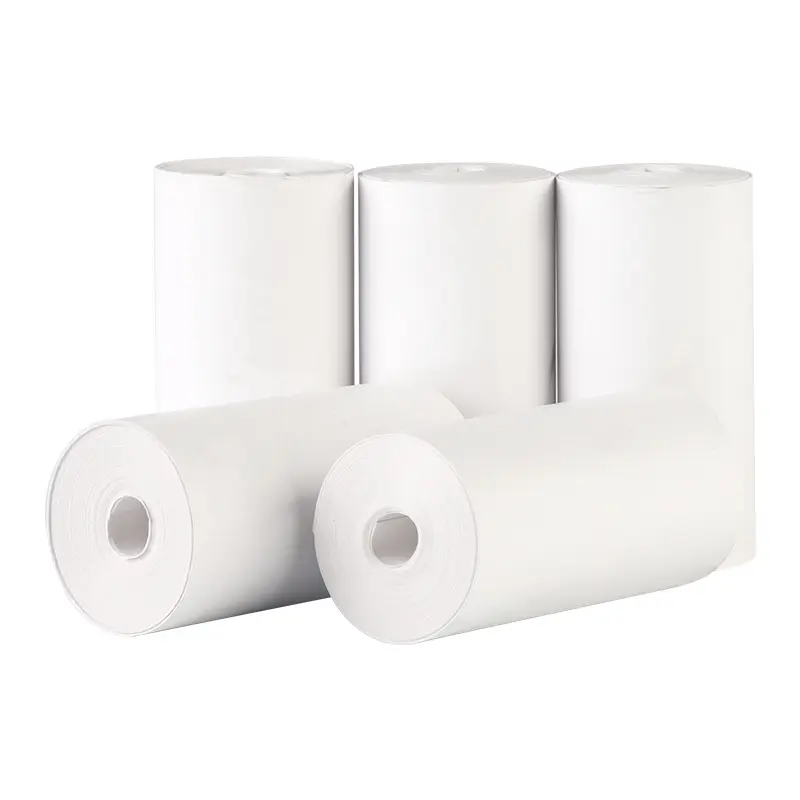
The custom thermal-paper listing is a reference for discussing available options. Ask the supplier to identify the proposed coating and converting specification in the quotation or technical response. A broad word such as “premium” does not replace those details, and a property claimed for another product on the site should not be transferred to the selected roll.
Use A Controlled Sample Trial To Compare Offers
A meaningful trial of thermal receipt paper changes one important variable at a time. Use the same printer, a documented normal configuration and a representative receipt layout. Record the sample identifier, date, loading orientation and relevant device condition. If the settings are changed to obtain an acceptable result, record the change and check whether it is suitable for routine operation.
| Trial Question | Observation To Keep | What It Does Not Prove |
|---|---|---|
| Does the roll fit and load correctly? | Model, guide setting and measured roll dimensions | Long-run feed consistency or image life |
| Does the receipt print clearly? | Text, lines and codes at the documented normal setting | Performance on another printer model |
| Does media travel reliably? | Feed, cutting and end-of-roll observations | The cause of a fault without device checks |
| Does the image remain useful? | Defined handling exposure and retained comparison sample | A universal storage-life guarantee |
| Does a later delivery match? | Batch identity, packaging condition and agreed incoming checks | That all future batches need no monitoring |
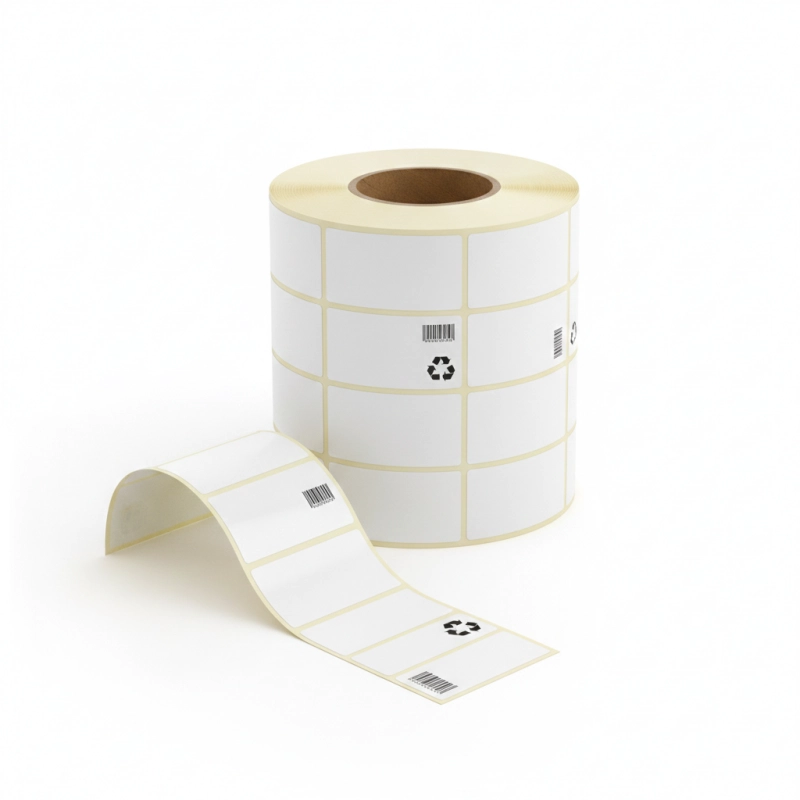
For printed codes, use the actual operational verification method rather than judging the pattern by eye. The illustrative receipt in an article is not evidence of barcode contents or scanning performance. Likewise, a dense black area is not a substitute for checking fine text, gaps and the application's normal data layout. Retain the same test file so that later samples can be compared fairly.
Match Image Retention To Real Handling Conditions
Map The Receipt's Route After Printing
Image retention depends on more than the time elapsed after printing. Map where the receipt goes: into a wallet, an envelope, a filing system, a warm vehicle or a surface exposed to light. Identify likely contact with tapes, plastic sleeves, oils or chemicals. The important question is whether the selected material remains readable under the conditions that matter to the actual transaction record.
Ricoh's thermal-paper care guidance describes sensitivity to environmental exposure and contact materials. This is useful background for designing handling checks, not a guarantee for a different supplier's grade. Ask for the specific grade's storage and use guidance, and avoid treating a general catalogue claim as a universal archival-life promise.
Separate Storage Before Use From Retention After Printing
Unprinted stock and a printed receipt are at different stages. Keep unopened rolls in the conditions recommended for their grade and packaging, and record any obvious damage or exposure on arrival. After printing, test the handling conditions relevant to the application. A dry warehouse does not establish the performance of a receipt later exposed to heat or a contact material.
When image retention matters to a dispute or record-keeping process, define how the business will maintain a usable record. The choice of paper is one part of that process. Requirements for copies, digital records or retention periods should be determined for the actual jurisdiction and transaction, rather than inferred from an article or a roll description.
Translate Property Claims Into Specific Questions
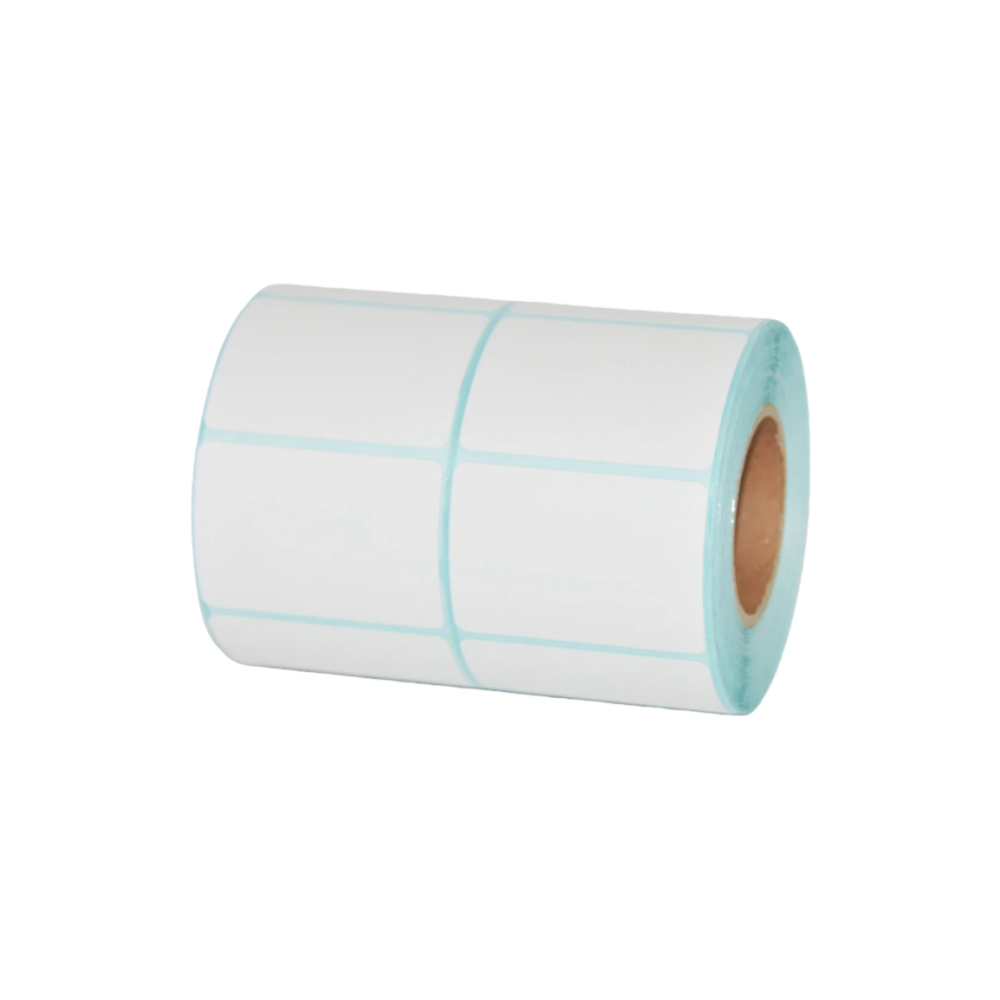
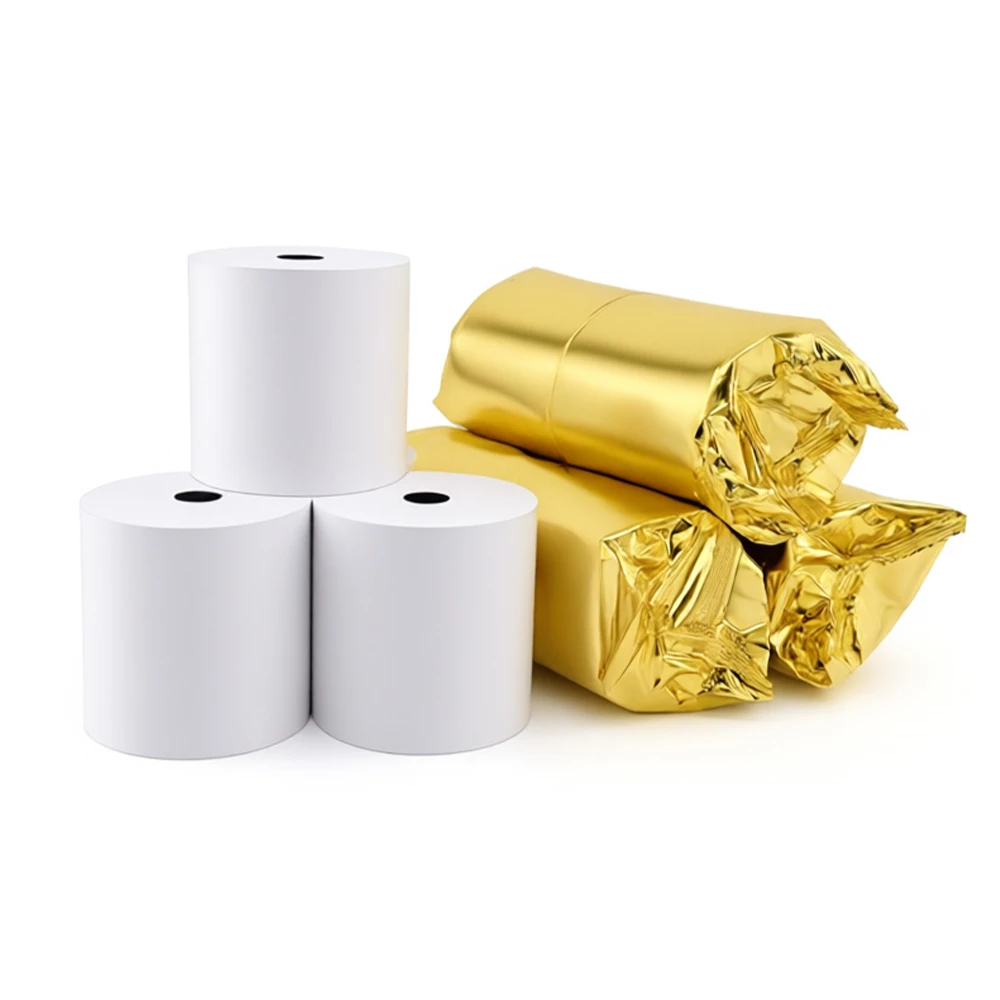
Terms such as water resistant, oil resistant, durable or long lasting need context. Ask what material was tested, how it was exposed, which result was measured and what acceptance criterion was used. A photograph of water on a surface does not establish performance after every kind of handling. The waterproof-roll product page provides a claim to clarify with the supplier, not a basis for extending that claim to every roll.
The same discipline applies to chemical-content statements. Request documentation relevant to the proposed grade, the specific substance or restriction and the intended market. A declaration for a different product or an undefined “eco” label is not a complete answer. Where compliance is material to the purchase, have the responsible reviewer confirm the current requirement and the scope of the evidence before approving the specification.
Protect The Specification Through Packing And Reordering
Preserve The Accepted Configuration
Once a sample is accepted, preserve its identity in the purchasing record. Include the approved roll dimensions, grade description, winding arrangement, pack quantity, carton identification and any agreed checks. A photograph of the accepted roll can help with recognition, but the written specification should carry the decision. Later orders need to refer to that version rather than an informal product nickname.

The supplier's company profile provides organisational context. For a particular order, request the practical details that affect receipt and storage: carton marking, protection against handling damage, lot identification and the method for reporting a mismatch. A clear discrepancy report should identify the affected cartons and sample evidence without assuming the cause before it has been investigated.
Reordering is also a change-control task. If the grade, converting arrangement or packaging changes, the supplier should identify the change before shipment and explain which earlier approvals remain applicable. A revised sample may be appropriate when the change could affect printer compatibility or image retention. The amount of checking should follow the significance of the change, rather than treating all substitutions as either harmless or unacceptable.

The supplier contact channel can be used to resolve a specific specification gap. A useful message names the printer, sample or batch, the observed condition and the requested clarification. That gives the response a defined technical question instead of asking the supplier to interpret an unsupported conclusion such as “the paper is wrong.”
Frequently Asked Questions
Is Matching Width Enough To Select A Roll?
No. Width is only one constraint. Check the printer's outside-diameter limit, core arrangement, winding direction and media instructions, then verify the sample in the actual device. Record the configuration used so that a later test or reorder can reproduce the comparison.
Does A Dark Print Mean Better Paper?
Darkness alone does not establish overall suitability. Examine the application's text and codes at a documented normal setting, along with feed behaviour and handling requirements. A sample that needs an unusual setting should prompt a compatibility review rather than an automatic quality ranking.
Can A Receipt's Life Be Predicted From A Catalogue Image?
No. The image cannot establish the grade, exposure conditions or retention evidence. Request relevant technical information and test the handling conditions that matter to the application. Keep the comparison sample and its identity so that observations can be interpreted later.
What Should Be Kept From The First Successful Trial?
Retain the sample identifier, approved specification, printer model and configuration, test layout, observations and decision owner. Include any unresolved limitation. This becomes the reference for incoming checks and prevents a successful trial from being reduced to a product name alone.
A Useful Match Connects The Device, Roll And Receipt
Thermal receipt paper is ready for approval when the mechanical fit, print behaviour, handling expectations and supporting records describe the same proposed material. The most informative next step is usually the missing link in that chain: a named dimension, a controlled device trial or a grade-specific retention check. Keeping that link visible makes the selection easier to explain and the next delivery easier to verify.
 You May Also Like