


 Home
 XBD
 Oct 26,2026

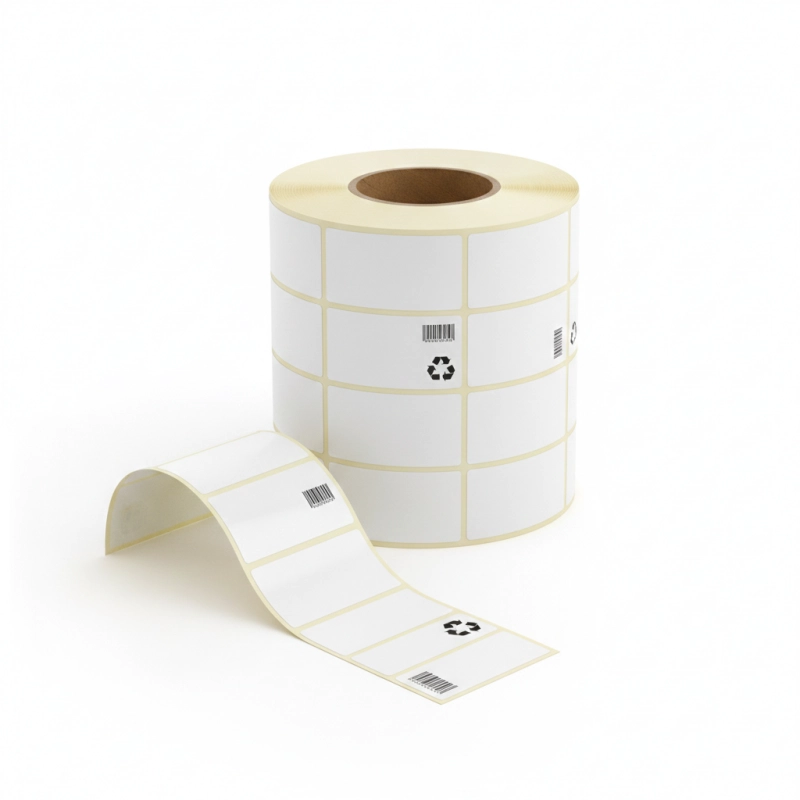
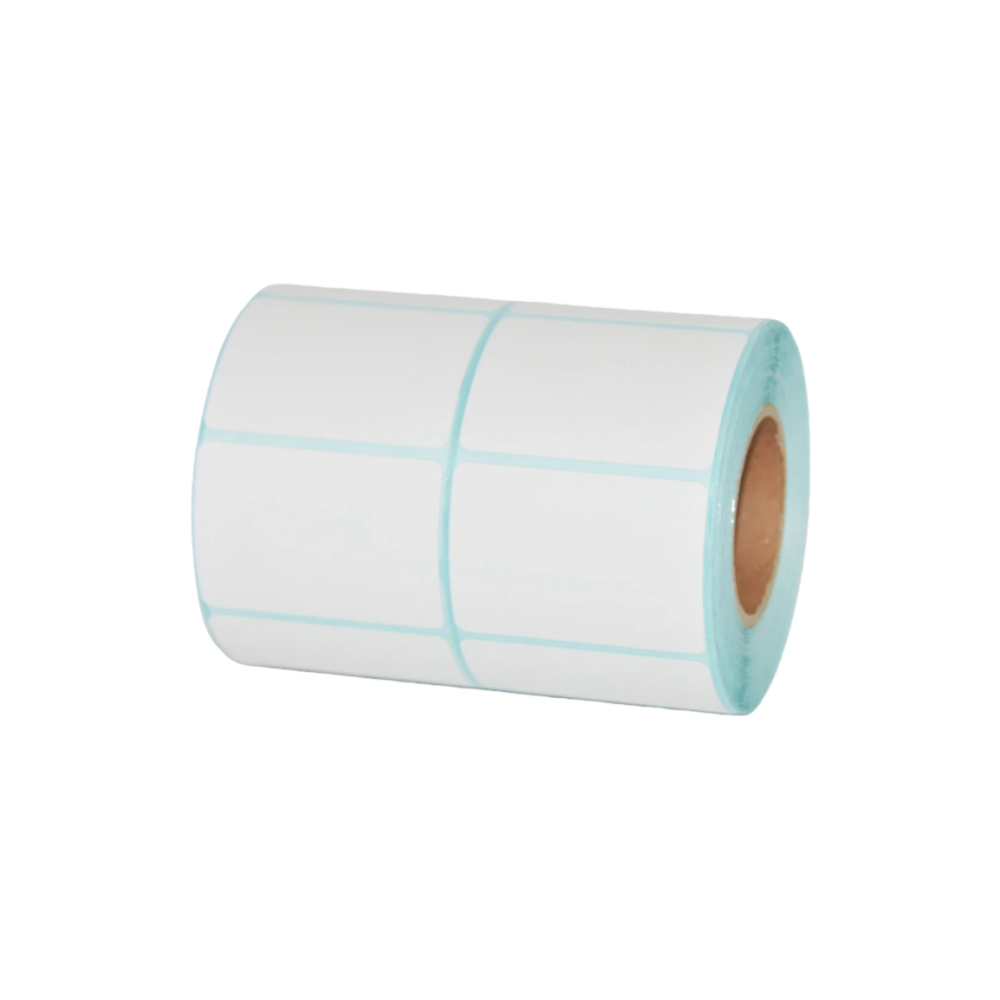
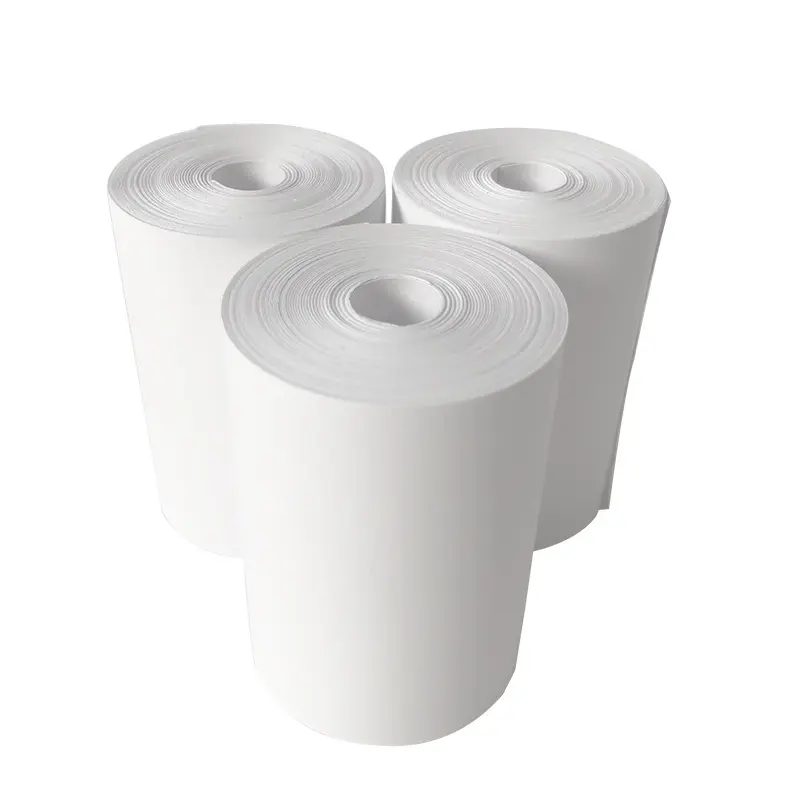
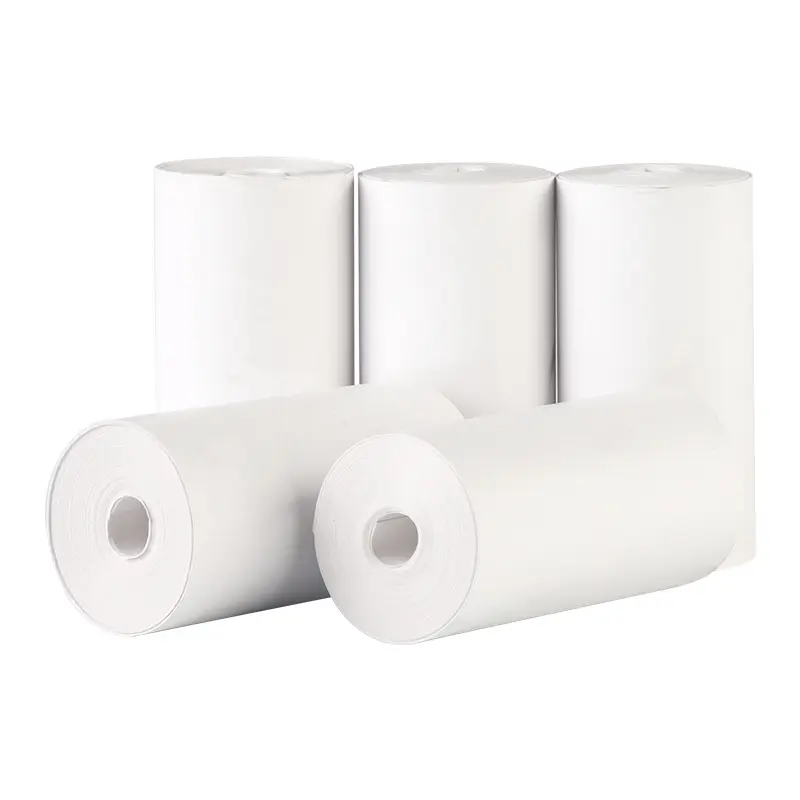
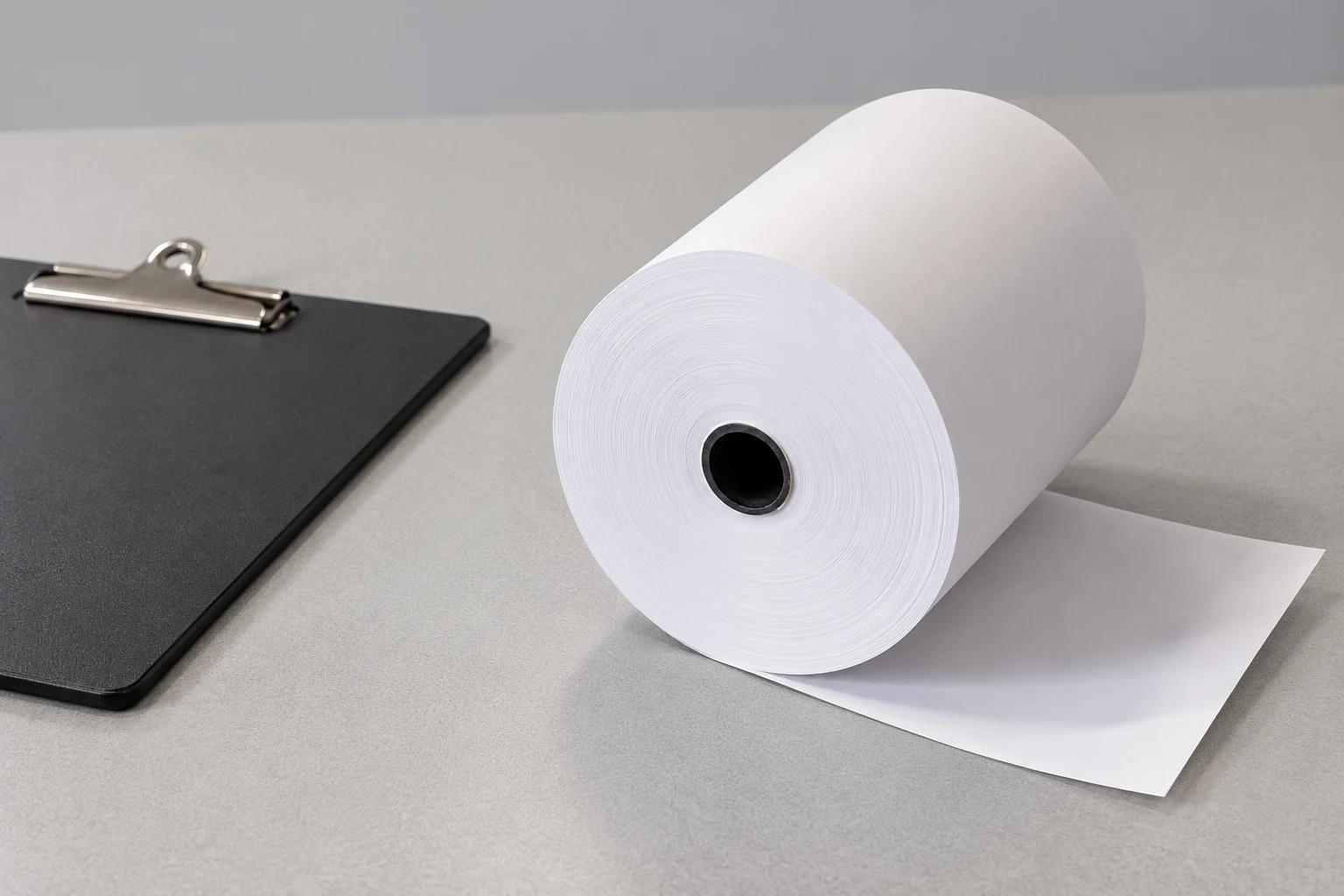
The phrase roll thermal usually refers to heat-sensitive paper wound for a compatible printer, where coating, winding and handling together influence the printed result.
A receipt roll looks simple because the information-making chemistry is already on the sheet. The printer supplies controlled heat rather than a separate ink supply for ordinary direct thermal printing. Understanding that division explains why a blank-looking roll can produce a clear image, why the wrong face may fail to print, and why good print quality can deteriorate after the receipt leaves the printer.
The Roll and the Coating Perform Different Jobs
The paper carries the image-forming layer
Direct thermal paper combines a supporting sheet with a heat-sensitive coating. Local heating changes the coating to create the visible image. The sheet must travel predictably through the mechanism while its surface responds to the printhead. These are linked requirements: a material can react to heat yet still be unsuitable for a particular transport path, operating speed or intended use.
A thermal paper coating is therefore more than a way to make a white sheet turn dark. Its response, surface properties and protective layers, where present, influence printing and subsequent handling. The exact construction varies by grade. A photograph cannot reveal the coating formulation or prove image life, chemical resistance or compatibility with every printer.
The winding makes the sheet usable in a mechanism
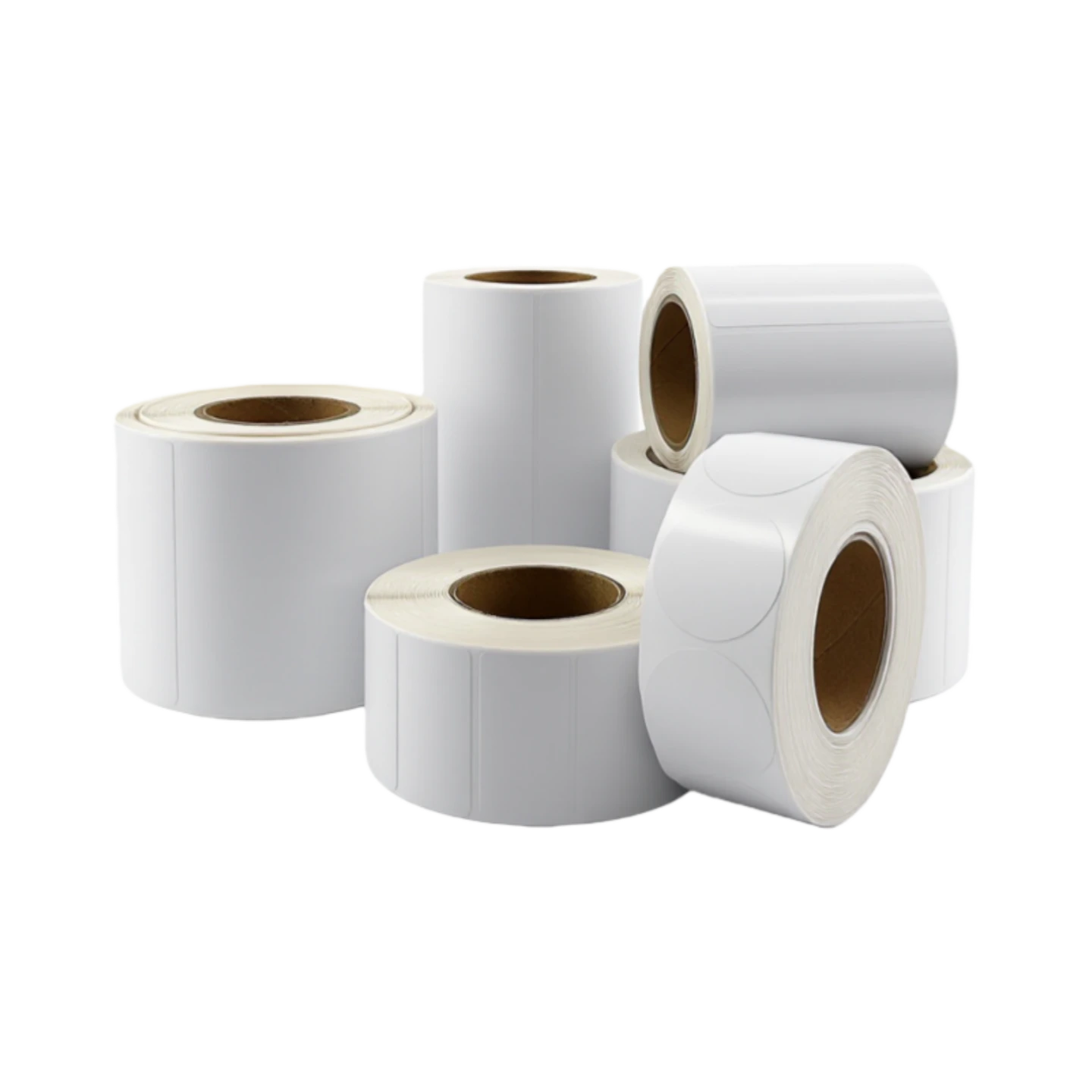
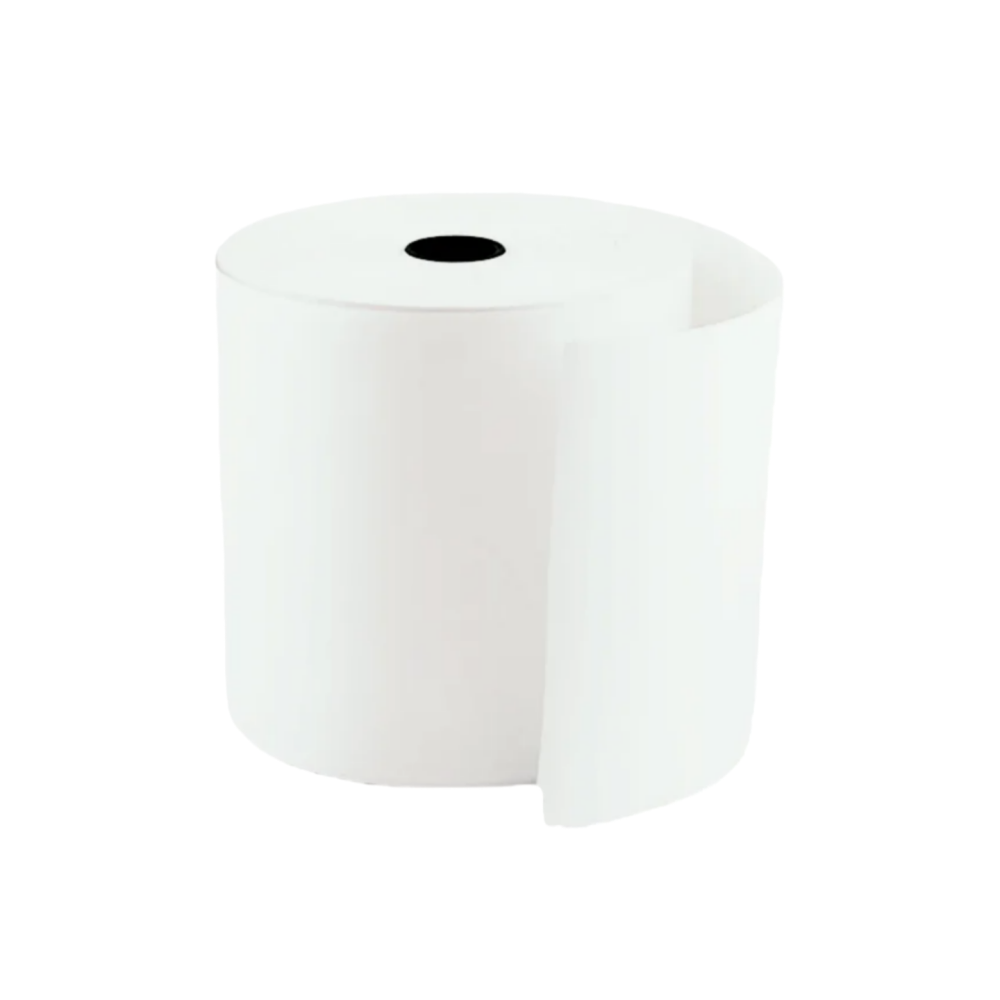
Winding turns a continuous web into a compact supply that can unwind through the printer. Width, outside diameter, core arrangement, winding direction and edge quality all matter. Two rolls of similar appearance may contain different lengths or use different paper thicknesses. Outside diameter alone is not a dependable measure of available print length.
The source site's paper product catalogue distinguishes thermal paper from other media families. That distinction matters because a roll is a physical form, not a printing technology. Carbonless paper, plain paper and adhesive label stock have different constructions and uses even when supplied in wound form.
Follow the Image From Printhead to Receipt
Heat must reach the intended surface
In a direct thermal mechanism, selected printhead elements heat the moving paper to form dots. Feed motion and the pattern of heated elements combine into characters, lines or codes. The coated face must meet the active printing surface in the orientation specified by the equipment. A roll installed in the wrong direction can appear to feed normally while producing an absent or poor image.
That symptom does not by itself prove the paper is defective. Installation, paper type, printer settings, contamination or mechanical conditions can produce similar outcomes. The model's operating instructions should guide loading and routine checks. Improvised tests involving flames, strong heat sources or chemical rubbing are unnecessary and can damage the media or create misleading results.
Darkness is only one part of readability
A visibly dark receipt can still have broken characters, smeared areas or poorly defined barcodes. Readability depends on the intended information. A short numeric total, a dense text block and a machine-readable symbol place different demands on edge definition and consistency. Evaluate a representative print pattern rather than judging a roll from one large black patch.
The printer and media operate as a pair. Adjustments intended to darken the image may affect speed, edge quality or equipment operation. Follow supported settings and the relevant maintenance instructions. When comparing paper, hold the equipment and test pattern constant before attributing the difference to the material.
Separate Material Questions From Fit Questions
Dimensions answer whether a roll can be loaded and transported correctly. Material properties answer how it prints and behaves afterward. Confusing these questions leads to weak comparisons: a roll can fit the compartment while printing poorly, or print well in a brief test while being too large for normal loading.
| Question | Relevant information | What appearance cannot establish |
|---|---|---|
| Will it load? | Specified width, diameter and core requirements | Compatibility inferred from a similar-looking roll |
| Will it feed consistently? | Winding, edges and supported thickness | Performance throughout a full roll |
| Will it print clearly? | Coating grade and a controlled print test | Print sensitivity from surface colour |
| Will the record remain legible? | Grade-specific storage and exposure information | A universal retention period |
| Can an issue be traced? | Product reference and lot identification | Batch consistency from one sample |
Use the exact equipment reference
Printer documentation can specify different supported widths, maximum roll diameters and thickness ranges for different models or configurations. An optional holder or adapter can change the permitted setup. Record the model and installed configuration before comparing media. A nominal width used in everyday conversation may omit a tolerance or another requirement that matters to the feed path.
Keep length and thickness distinct
Length describes the available web, while thickness affects how much web fits within a given wound diameter. Core size and winding also affect the relationship. A thicker sheet is not automatically a longer-lasting supply, and a larger outside diameter is not automatically evidence of better quality. Compare like-for-like specifications rather than relying on weight or apparent bulk alone.
In a replenishment record, preserve the agreed product code and dimensions alongside the equipment reference. This reduces the chance that a later order substitutes a superficially similar roll. The shortened search wording roll thermal can identify the media family, but it needs those additional details before it becomes a usable order description.
Understand What Converting Adds
Slitting and rewinding are separate from coating choice
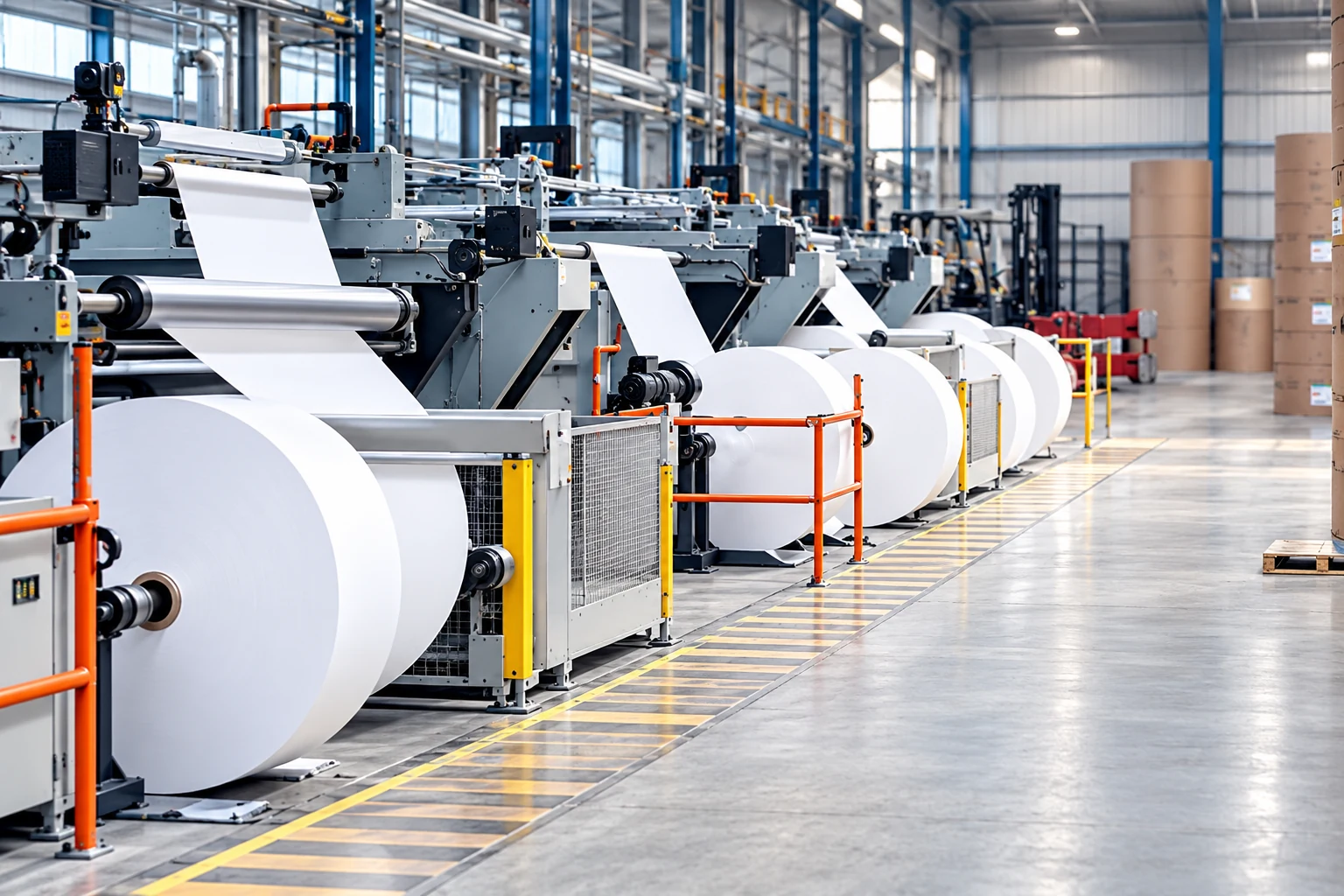
A larger web can be slit to the required width and rewound into finished rolls. This stage controls the physical presentation of the media, while the selected base material and thermal paper coating establish other properties. The two stages should not be treated as interchangeable evidence. A well-cut edge does not identify the chemistry, and a named grade does not prove that a particular finished roll has been converted correctly.
Questions about roll consistency may therefore involve both material and converting records. Width variation, telescoping or damaged edges concern physical handling and winding. Uneven image response may require investigation of the media, the printer or both. The factory overview provides context for asking about production stages, but acceptance should rely on the ordered grade and delivered lot.
Protect the finished surface during packing
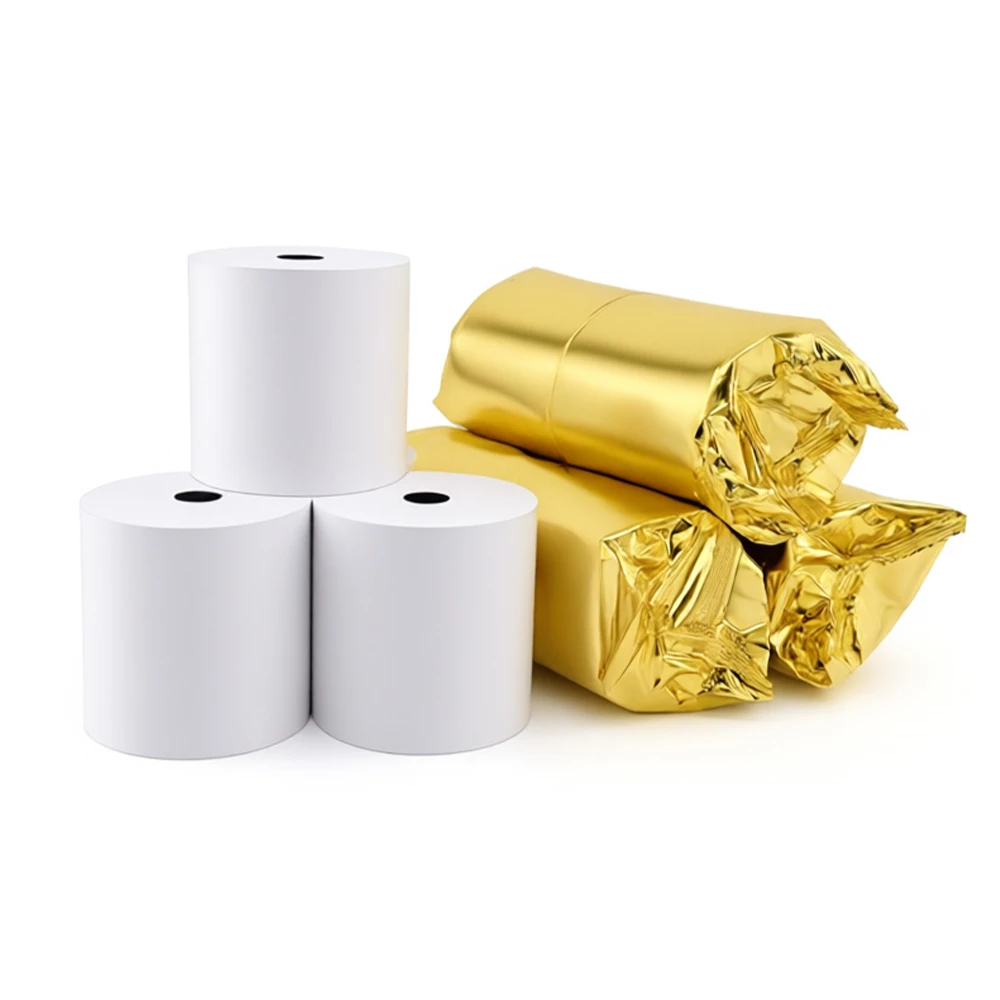
The finished paper surface can be affected by contact, pressure and environmental exposure. Packaging should help keep rolls clean and protected through storage and transport. An opened carton should not be treated as unlimited loose stock beside a heat source or cleaning station. Keep unused rolls in their intended protective packaging until they are required.
Receipt paper handling affects print quality. The catalogue distinguishes roll thermal media from other paper.
Distinguish Unused Stock From Printed Records
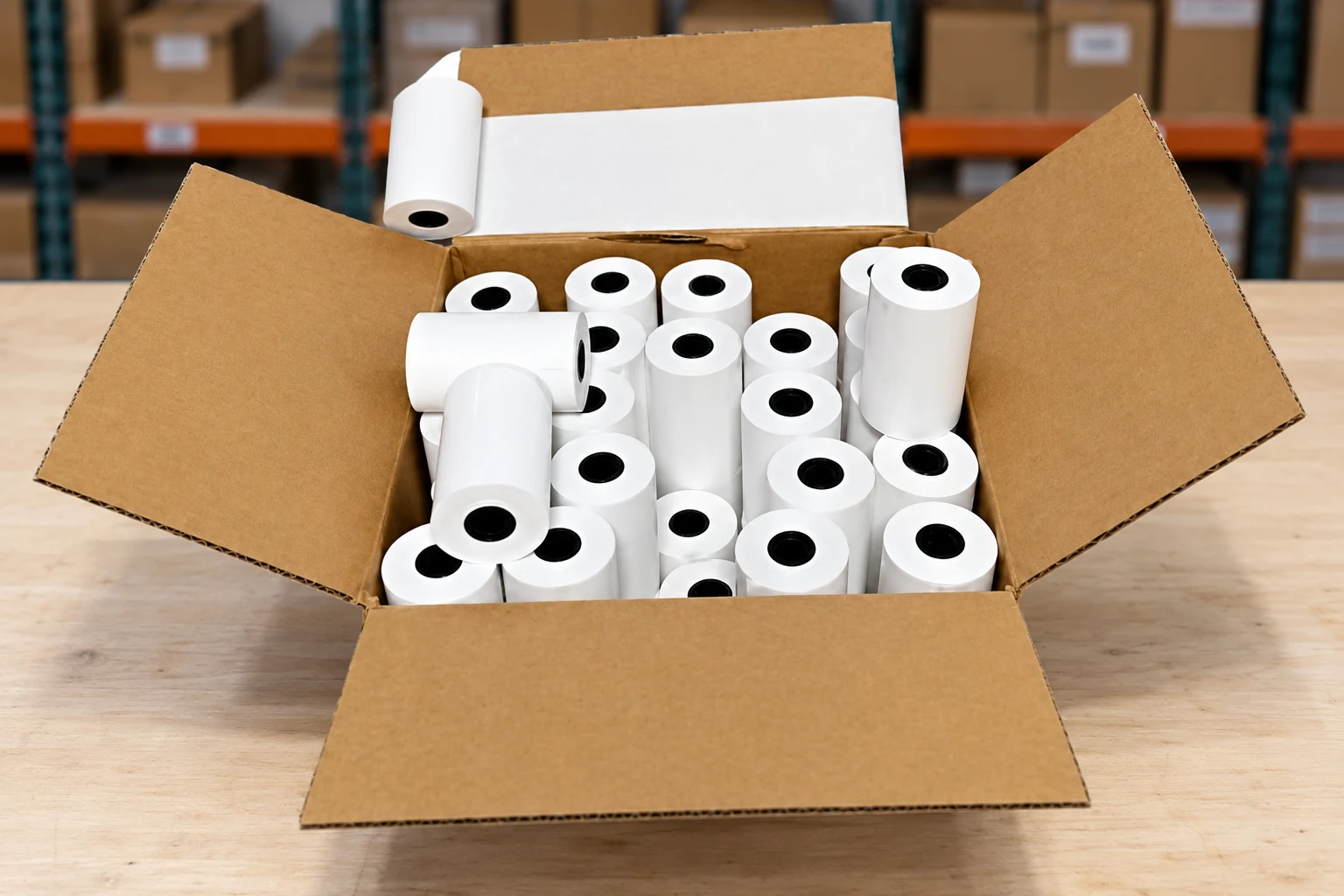
Unused rolls and printed receipts have related but different purposes. Stock must remain suitable for printing; a printed receipt must preserve the information already formed. Heat, strong light, moisture, friction and contact with certain materials can affect thermal media. The degree and speed of change depend on the paper construction and exposure, so a single storage promise should not be applied to every grade.
Manufacturer guidance for a particular paper should take precedence over generic assumptions. Some guidance identifies contact with plasticizers, oils or chemicals as a concern. That does not mean every plastic sleeve or every brief contact produces the same outcome. It means the record's storage materials and actual environment belong in the evaluation.
The site's retail application page and food and beverage application page illustrate different handling environments. Near-counter heat, moisture, cleaning products and repeated handling can matter more than a brief office print test. An application example should therefore describe exposure conditions, not just name a business category.
Read Common Symptoms Without Jumping to a Cause
A blank print may point to loading orientation, incompatible media or equipment conditions. A streak may involve the printhead or contamination. Uneven darkness can have several causes, and a later-faded receipt raises a different question from a faint fresh print. Start by distinguishing when the symptom appears: at loading, during printing or after handling and storage.
Keep both an unprinted sample and a representative affected print where practical. Protect them from further exposure and record how they were stored. The point is not to diagnose chemistry from a photograph; it is to preserve enough context for a qualified technical review. The supplier contact page can provide a route for product-specific questions when routine documented checks do not resolve the issue.
Build an Accurate Mental Model of the Roll

The useful mental model has three layers: a material that responds to heat, a wound format that must fit and feed, and a handling environment that affects the surface before and after printing. Each layer can be described and checked independently, then evaluated as part of the complete use case.
For an initial roll thermal enquiry, the next learning step is to identify the actual printer, the job the print must perform and the conditions in which the record will be handled. Those facts narrow the relevant paper grade and dimensions without implying that all thermal rolls are interchangeable. Clear terminology prevents an ordinary-looking consumable from becoming an unexplained source of printing or record-quality problems.
Frequently Asked Questions
Does direct thermal printing need an ink ribbon?
Ordinary direct thermal printing forms the image in heat-sensitive media and does not use a separate ribbon. Thermal transfer is a different process that uses a ribbon to transfer material. The printer's documented technology determines which supplies are appropriate; the presence of a paper roll alone does not identify the process.
Are both faces of every thermal paper printable?
No universal rule applies to every construction. The compatible printer and media instructions should identify the correct printing surface and loading direction. If an image is absent, check the documented setup before deciding that a roll is defective or trying improvised heat tests.
Does a darker fresh print guarantee longer image life?
No. Initial darkness and later stability are different properties. Grade, exposure and storage all influence the result. A useful evaluation combines a representative print test with the paper's specific handling guidance and the intended record-keeping process.
Can two equal-diameter rolls contain different lengths?
Yes. Paper thickness, core dimensions and winding affect the relationship between length and outside diameter. Compare stated specifications on the same basis. A visual size comparison cannot establish available length, print yield or total operating cost.
Why should the lot reference be retained?
A lot reference connects a delivery to its product and production records. It helps separate an isolated handling event from a broader material question. Retaining that reference together with print conditions makes a technical discussion more useful than reporting only that a roll printed badly.
 You May Also Like