


 Home
 XBD
 Oct 12,2026

A pos machine roll supplier should preserve the approved media identity and disclose changes that can affect terminal performance. A roll that fits the chamber is only part of that approval. The accepted coating, dimensions, converting conditions and protection during delivery must remain connected to repeat orders, so a replacement shipment can be evaluated against an agreed reference.
Define What The Approved Roll Actually Represents
Approval is useful only when the accepted sample has a documented identity. Record the terminal model, media requirements, roll construction and paper grade, then identify the supplier's material code and specification revision. The sample should represent the ordinary supply that will arrive after the purchase decision.
Use The Printer Requirement As The Starting Boundary
Printer documentation should establish the compatible media type and the relevant roll limits. For example, Epson publishes a paper-width tolerance, maximum roll diameter and core dimensions for the TM-T70-i. Those values belong to that model; they are not universal requirements for all payment terminals. A mixed terminal fleet needs a model-by-model requirement map before one roll is proposed as a common replacement.
The supplier should translate each documented requirement into a controlled product characteristic. Confirm width, outside diameter, core, winding direction and any marks needed by the printer. If length is part of the order, clarify how it is measured and reported. Two rolls with the same outside diameter can contain different lengths when paper thickness or winding differs.
Keep The Physical Sample And Specification Linked
Label retained samples with the supplier's product code, lot and approval date, and keep the corresponding trial report. A photograph or an unlabelled roll is a weak reference for a later dispute. If more than one paper grade is accepted, record the circumstances in which each may be supplied; a generic description should not make all alternatives automatically interchangeable.
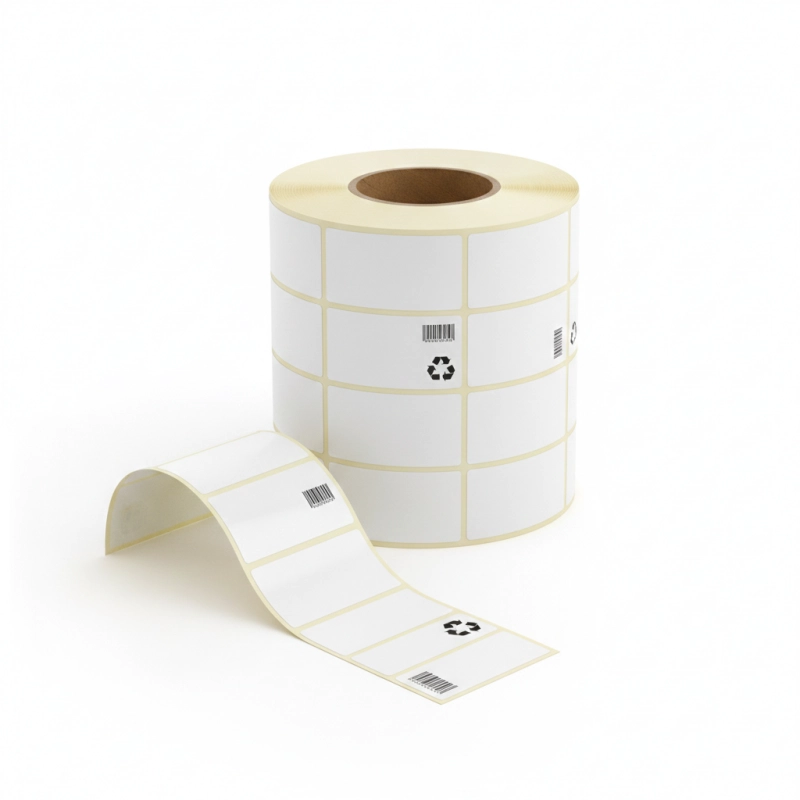
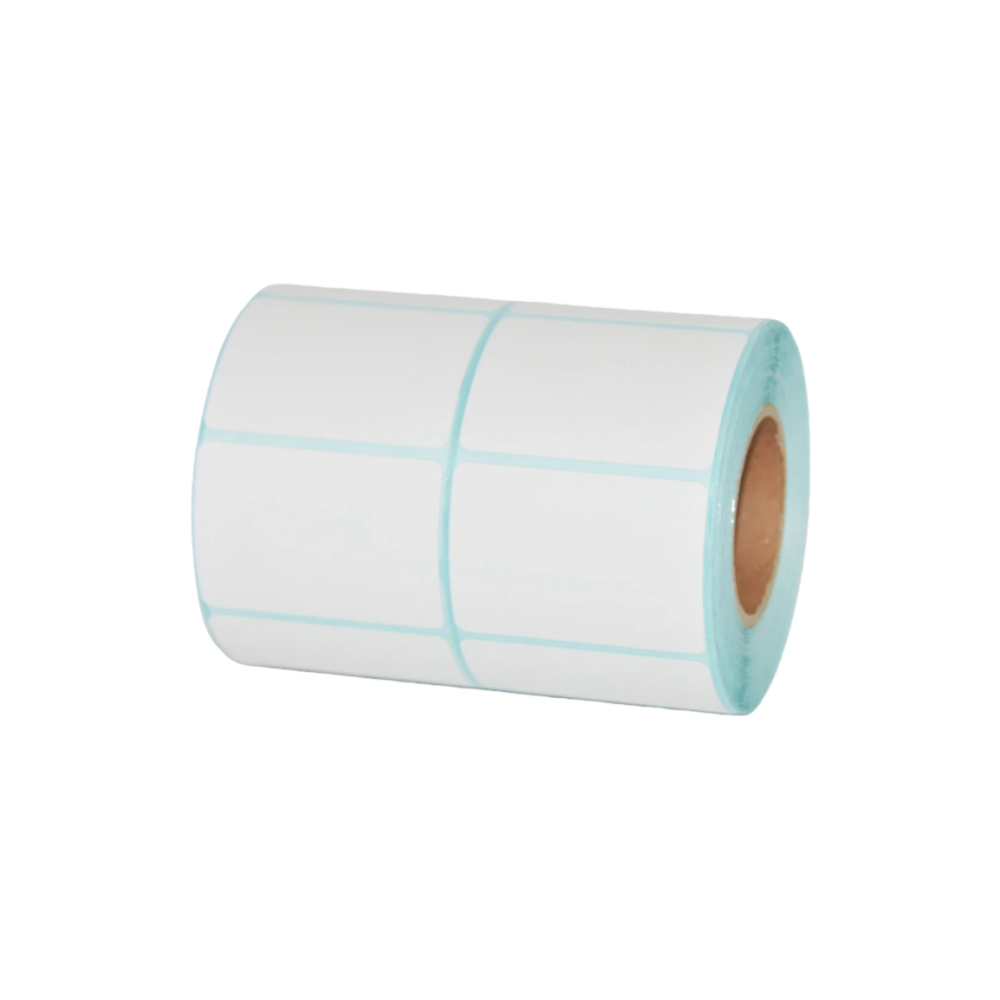
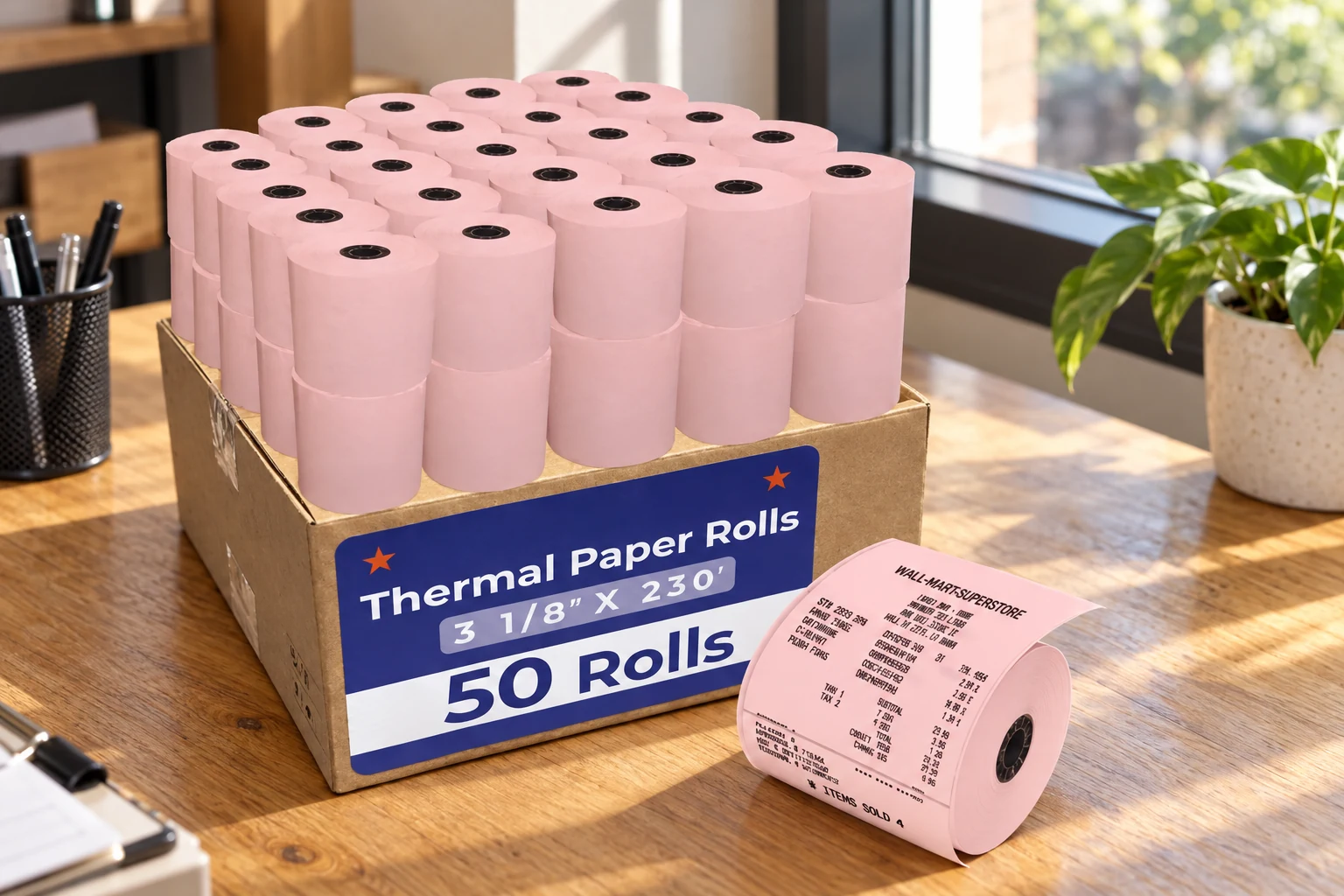
The site’s labelled white-roll carton and pink thermal-roll format show different product identities. Their printed dimensions and carton quantities must remain attached to the correct product; the two formats are not interchangeable approval references. Compatibility still depends on the actual terminal requirement and delivered sample.
Require A Change Decision Before A Substitute Is Shipped
A repeat order should identify the approved product or a defined process for considering an alternative. The central evaluation question is whether the supplier can recognize a meaningful change, explain it before delivery and provide evidence proportional to its effect on the accepted use.
Identify Changes That Can Affect The Application
A change in base paper, coating formulation, mill source, converting location or packaging can matter even when the commercial product name remains unchanged. The supplier should state which changes trigger notice and which records link the proposed replacement to the old supply. A media change may affect print response or handling; it should not be treated as a harmless code change without review.
Change control should identify the affected attribute, the reason for the change, its proposed introduction date and the evidence available. It also needs a decision owner. A request sent after the replacement has already shipped removes the opportunity to plan testing, retain the existing material or separate the alternative from approved stock.
Match Revalidation To The Changed Characteristic
Do not demand the same test package for every change, but do not rely on visual similarity as proof of equivalence. A carton artwork change may require identity checks, while a coating or roll construction change may require a terminal trial. The assessment should explain why the selected checks cover the likely effect and what remains outside the evidence.
A pos machine roll supplier should make approval status visible in its order and dispatch process. An alternative may be acceptable after review, but the first shipment needs an identifiable boundary so that approved and pending materials are not mixed. Record the new specification revision and retain the evidence used to authorize the change.
| Proposed change | Question to resolve | Possible evidence | Release boundary |
|---|---|---|---|
| Paper or coating source | Does the material retain the approved response and use conditions? | Updated material identity and representative printer trial | Named new lot after technical review |
| Width, core or winding | Does the roll remain compatible with each intended terminal? | Measured roll dimensions and feed evaluation | Approved construction revision |
| Converting location | Are the agreed characteristics reproduced by the new process? | Production sample and controlled specification records | Clearly identified first supply |
| Wrapping or carton arrangement | Is identity and protection preserved through the delivery route? | Packaging review and arrival checks | Accepted packaging configuration |
| Label or product code | Can old and new identifiers be linked without confusion? | Documented code mapping and order confirmation | Effective date and stock transition plan |
Repeat The Terminal Trial Under Comparable Conditions
Testing should make it possible to distinguish a material effect from a change in printer condition or settings. Use a documented reference, representative terminals and consistent operating conditions. The objective is a repeatable decision about the proposed supply, rather than the darkest-looking print from an uncontrolled demonstration.
Keep Equipment And Settings In The Trial Record
Record the terminal model, relevant settings, maintenance condition and the sample lot. Use an appropriate print pattern and assess the features that matter to the transaction, such as readable characters, feed behavior and cutting where applicable. Printer faults, unsuitable settings and media differences can produce similar symptoms; the record should make these possibilities distinguishable.
Epson's certified-media information is organized around specific media and printer combinations. A named listing should be checked against its current scope rather than generalized to every product made by the same supplier. Where a grade is not listed, that absence alone does not establish that it will fail, but the supplier should avoid presenting an unrelated approval as proof for the proposed roll.
Test The Conditions That Matter In Normal Use
Include representative transaction patterns and relevant handling conditions in the sample plan. A short demonstration may not show behavior near the end of the roll, repeated loading or variation across units. Select a practical set of checks with the operations team and state the limits of the trial. Do not turn an informal successful print into a universal performance claim.
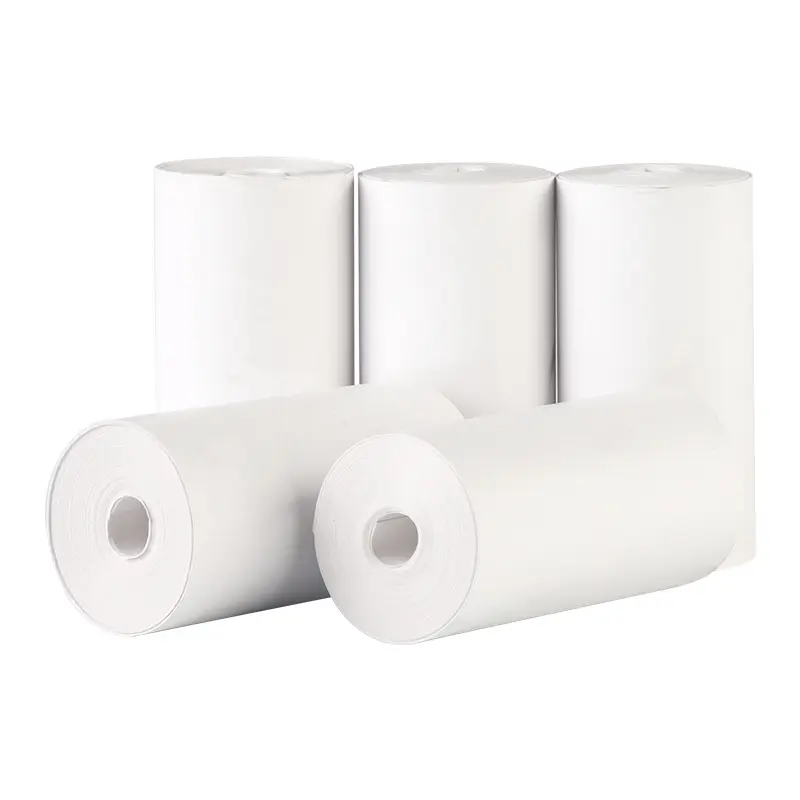
The retail application page helps frame checkout use, while the actual trial belongs to the intended terminal and workflow. The illustration below shows transaction-record handling. Its receipt details are illustrative and do not establish image-retention life, scan accuracy or a test outcome for a proposed grade.

Check Whether Converting Preserves The Agreed Material
A supplier may begin with an accepted paper source and still produce rolls that vary during converting. Evaluation should connect the source material to the finished roll and ask how important characteristics remain controlled across the production lot.
Separate Paper Identity From Finished-Roll Geometry
Paper identity and roll dimensions should be controlled as related but separate records. The former addresses the material used; the latter addresses how it was converted and wound. If the finished roll does not meet the terminal requirement, a certificate for the base paper cannot close that gap. Ask how samples are selected across a run rather than accepting one convenient unit as representative.
Review the agreed characteristics at sensible points in the process and define what happens when a result is outside the accepted limit. Record how affected material is held, corrected or rejected. Reworking a roll should not remove its connection to the original material and production records, especially where a later complaint needs to be traced.
Review Production Evidence Without Treating Photographs As Proof
The company profile describes paper converting capabilities, and the factory section provides a route to examine operations. These sources support supplier questions; machinery photographs do not verify tolerances, output consistency or independent certification. Request records relevant to the offered grade and construction.

Carry Approval Through Storage, Delivery And Complaint Review
Approval ends at the delivered condition, not at the dispatch photograph. The agreed supply arrangement should preserve package identity, protect the roll and define the response when delivery damage or a performance complaint occurs.
Agree Arrival Checks And Stock Separation
Confirm packaging protection, storage guidance and the remaining product life required at delivery. Receiving staff should be able to identify the lot and spot damage without losing the link to the order. Wet, crushed or otherwise questionable cartons need a defined hold and review process rather than immediate mixing with accepted stock.
A supplier proposing a packaging change should explain how protection remains suitable for the route and handling pattern. The custom roll offering provides a starting point for discussing packaging and media requirements. The delivery agreement should define the accepted configuration and any evidence needed before it changes.

Use Complaint Evidence To Improve The Supply Decision
A pos machine roll supplier should ask for the lot, terminal model, settings, observed symptom and relevant delivery condition when a complaint is raised. Retain unused material and the comparison reference where practical. This gives the investigation a testable basis and helps separate a material issue from an equipment or handling issue.
Agree who owns the investigation, how affected stock is identified and what evidence authorizes renewed use. Change control should capture any resulting modification to material or construction. Closing a complaint with replacement rolls alone leaves the underlying approval uncertain if the replacement's identity or review basis is undocumented.
Frequently Asked Questions
Can A Different Paper Grade Be Supplied Under The Same Roll Size?
Possibly, after the relevant review. Identical size does not establish equal printing or handling behavior. The supplier should disclose the change and provide evidence matched to its likely effect.
Does One Successful Print Confirm Compatibility?
It confirms a limited observation under those conditions. Approval should consider the intended terminal models, documented settings, representative units and normal handling requirements.
Which Records Should Be Kept With The Retained Sample?
Keep the material and product codes, lot, specification revision, terminal trial conditions and approval decision. The physical sample and documents should remain linked through a usable identifier.
What If A Supplier Cannot Identify The First Changed Shipment?
The transition is difficult to control. Resolve the identification and stock-separation plan before release so that pending alternatives are not mixed with approved material.
Use the paper supply enquiry contact to submit the terminal requirement map, accepted media reference and proposed change questions. Ask for an identifiable sample and a written transition plan before authorizing a substitute shipment.
 You May Also Like