


 Home
 XBD
 Oct 14,2026

A thermal jumbo roll manufacturer should be evaluated against a controlled converting trial that connects the proposed paper grade, reel geometry, handling conditions and finished-roll result.
A quotation for a large reel is only useful when the receiver can convert it into the intended finished product. Width, winding, coating orientation and print behaviour belong in the same discussion. The purpose of a trial is to expose those interfaces before a routine supply commitment, with enough documentation to distinguish a material issue from a machine setting or handling problem.
Confirm The Supply Route Before The Trial
Distinguish Parent Reels From Finished Receipt Rolls
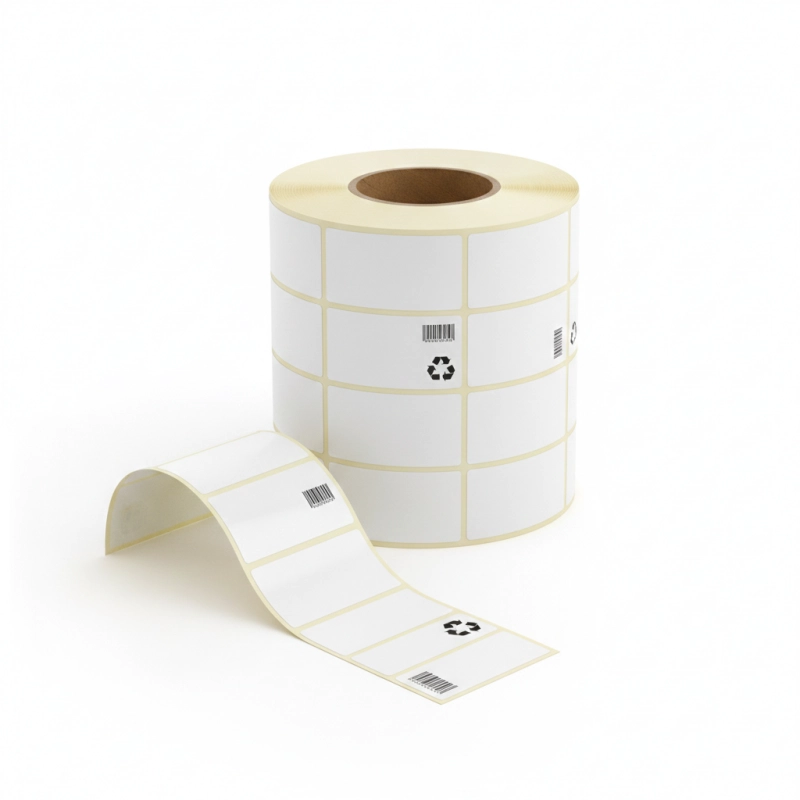
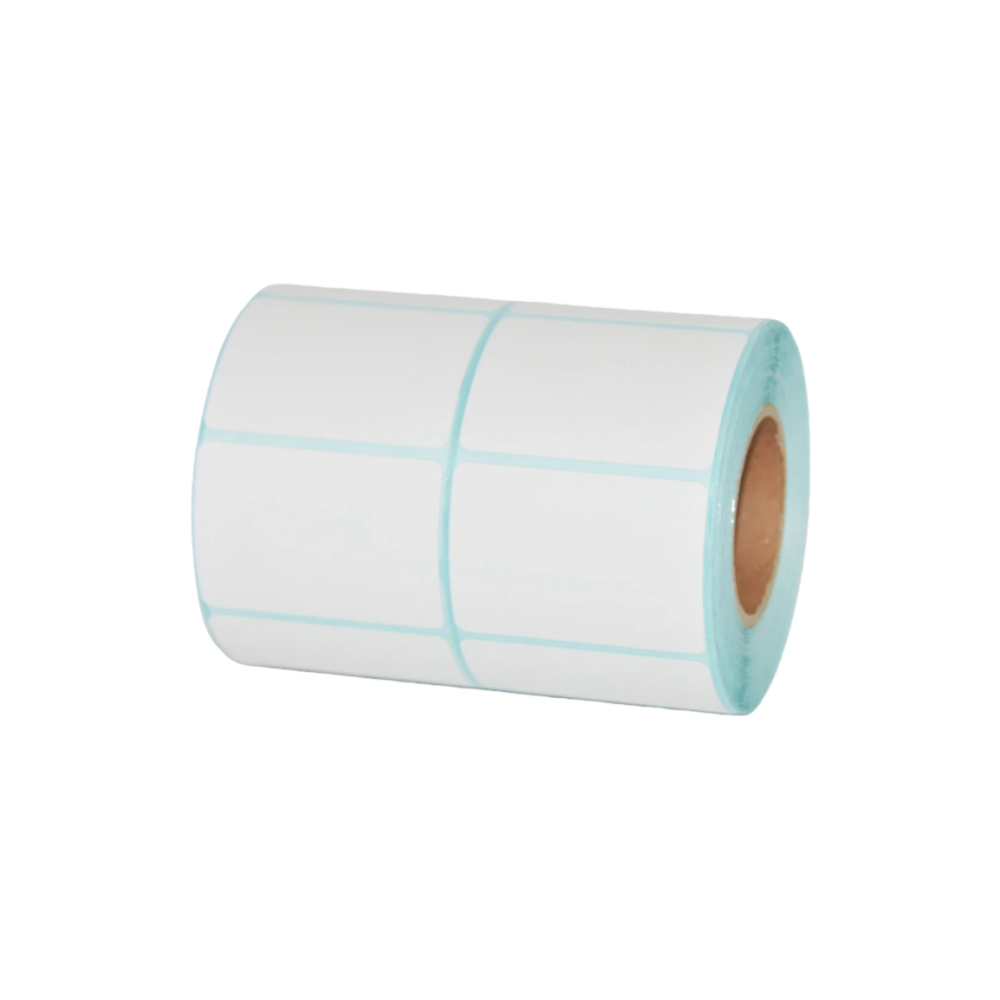
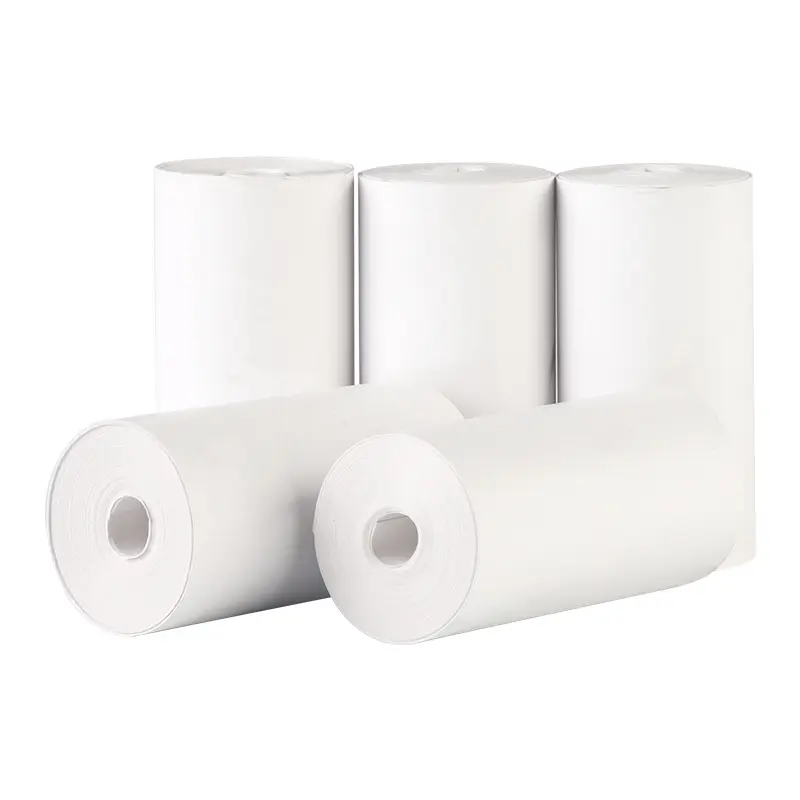
A parent reel is the input to a converting operation, while a finished receipt roll is intended for a particular device or distribution format. A supplier that lists finished rolls may manufacture, convert, source or distribute different parts of that chain. The supplier role must be confirmed for the proposed order. A product photograph of a small POS roll cannot establish the available jumbo width, grade, minimum quantity or winding specification.
The current thermal paper catalogue shows finished-roll offerings and provides useful application context. It does not, by itself, verify a specific jumbo-reel product. Before treating the host or any other candidate as a qualified source for this requirement, request the actual parent-reel specification and a written explanation of the supply route. This article describes an evaluation method, not a claim that an unlisted grade is available.
Separate Paper Manufacture From Converting Responsibility
Ask which organisation supplies the coated paper, which prepares the reel and which owns the technical response if the trial fails. These may be different parties. A transparent route can still be workable, but the buyer needs a clear contact and a traceable grade identity. Avoid comparing a mill-direct offer with a converter's offer as though their service boundaries were identical.
Write Acceptance Criteria Around The Intended Output
Begin With The Finished Roll And Work Backwards
Define the finished product first: width, intended roll diameter or length, core arrangement, winding direction, packaging and end-use device. Then ask what incoming reel and converting conditions are needed to make it. A nominal paper width alone does not define usable output because trimming, edge condition and the slit layout affect yield. The trial plan should state which dimensions are contractual and how they will be measured.
Acceptance criteria should include relevant appearance and print checks as well as converting observations. Use the intended printer and agreed settings for the application check. Thermal grades can differ in their imaging and durability characteristics; the Appvion direct thermal catalogue is one primary-source example of why grade selection and service conditions must be considered together. It does not supply specifications for another manufacturer's paper, and its figures should not be transferred to an unverified offer.
For a retail programme, the supermarket application page can help frame the downstream use case. Clarify the actual printer models, receipt handling and storage expectations with the receiver. A short successful print does not establish long-term readability under every combination of heat, humidity, light or contact material. Where durability matters, agree a relevant assessment rather than promising a generic lifetime.

Use Measurable Conditions Without Inventing Limits
Ask the supplier to propose tolerances, sampling and test methods, then review them against the receiver's equipment and product needs. Do not invent a universal allowable defect rate or speed. A tolerance that is adequate for one line may be unsuitable for another. Include the instrument or method where different approaches could produce different results, particularly for properties that influence roll build or printer feeding.
Record which conditions will remain constant during the converting trial and which may be adjusted. The line operator should have room to run the approved procedure, while the record identifies meaningful changes. This is different from demanding that all materials behave identically under one arbitrary setting. The objective is a repeatable, understood operating window, with unresolved limitations visible before purchase.
Inspect The Reel As A Traceable Input
Keep Grade, Lot And Physical Condition Together
On arrival, preserve the reel identifier, grade reference, supplier lot, delivery documents and packaging condition. Photograph visible damage before the reel is unpacked, following the receiving procedure. A label with a familiar trade name is insufficient if it cannot be connected to the supplied material. The parent reel should remain identifiable through the trial so that later observations can be traced back accurately.
Discuss core dimensions, winding direction, reel width and diameter, permitted splice arrangements and handling instructions before dispatch. The appropriate checks depend on the equipment and supply agreement. A crushed core or damaged edge may be a transport or handling issue rather than a coating issue, but it can still prevent a useful trial. Recording the condition avoids arguing later over which stage introduced the problem.
Ask how the reel should be stored and prepared for use in the receiving environment. In a humid distribution route, packaging integrity and condensation risks deserve a specific conversation. Use the supplier's documented conditions and the receiver's procedures; there is no defensible universal acclimatisation period for every grade and shipment. If conditions fall outside the agreed range, record that fact before interpreting the result.
Run A Trial That Separates Causes
Capture The Setup And The Sequence Of Observations
A thermal jumbo roll manufacturer can respond more effectively when a reported problem includes a traceable reel and a clear trial record. Record the line, slit pattern, relevant setup, start time and changes made during operation. Note whether an issue is continuous, intermittent, confined to an edge or associated with a particular point in the reel. These observations narrow the investigation without asserting a cause prematurely.
Keep examples of the finished output and any rejected sections under an agreed identification scheme. If the line produces several slit lanes, preserve which lane each sample came from. A single loose roll sent back without context may be difficult to interpret. The trial record should make it possible to connect a finished sample to its source location and the conditions under which it was produced.

When an issue appears, follow the site's safe operating procedure and record the corrective action. Machine guarding, isolation and maintenance remain the responsibility of trained personnel. A purchasing article cannot prescribe adjustments for unfamiliar equipment. The useful commercial question is whether the parties can investigate with enough shared evidence to distinguish material behaviour, setup, handling and downstream printer use.
Evaluate Output Quality And Usable Yield Separately
Acceptable print appearance does not prove satisfactory converting yield. Conversely, a smooth production run does not prove that the finished roll suits the intended printer. Keep these decisions separate in the record. Report the quantity processed, usable output and identified losses according to an agreed measurement basis. Do not compare suppliers using different definitions of scrap, trim or trial start-up material.
Build A Decision Record Both Parties Can Read
A compact table makes the trial easier to review than a folder of disconnected photographs. It should preserve the proposed requirement, actual observation and decision owner. Acceptance criteria belong in the plan before the result is known, although a documented revision may be appropriate when a previously unknown requirement emerges. Do not rewrite the original requirement silently to make the trial appear successful.
| Stage | Evidence retained | Decision supported |
|---|---|---|
| Supply confirmation | Grade, route, reel specification and responsible technical contact | Whether the offered material is the intended trial input |
| Receipt | Lot identity, packing condition and dimensional checks | Whether the reel is suitable to enter the planned trial |
| Converting | Setup, observations, sample positions and material balance | Whether output and yield meet the agreed scope |
| Application | Finished-roll identity, device and test conditions | Whether the output serves the intended use |
| Release | Open issues, approved limitations and signatures | Whether routine supply can begin |
- Identify the reel and grade.
- Record trial conditions.
- Retain the decision and its limits.
A useful trial does more than produce a good roll. It explains which material and conditions produced it, and what remains unproven.
Connect The Trial To Routine Supply
Once the decision is made, identify the specification and reference samples that govern future deliveries. Agree how a change in grade, mill, winding arrangement or packaging will be communicated. The thermal jumbo roll manufacturer should understand which changes need prior review. The buyer should also notify the supplier when the converting line or downstream application changes enough to affect the accepted operating conditions.

Plan the first commercial receipt with the same identifier discipline used in the trial. Preserve relevant records and compare performance under the agreed conditions. A different result does not automatically prove a material substitution, but it does justify an evidence-based review. The finished-roll range can be used to discuss downstream formats while keeping the parent-reel specification as a separate document.

Frequently Asked Questions
Does A Finished-Roll Catalogue Prove Jumbo Supply Capability?
No. It establishes the listed finished products. Confirm the parent-reel offer, grade, supply route and technical responsibility separately before treating the supplier as qualified for a jumbo requirement.
Should Every Supplier Be Tested At The Same Line Speed?
Use the agreed trial plan and safe equipment procedure. Comparability requires documented conditions, but an arbitrary identical speed may conceal whether each material has a suitable operating window for the intended output.
Is A Good Print Sample Enough To Approve The Reel?
No. Printer suitability, converting behaviour, physical reel condition and usable yield answer different questions. The trial should state which of these it covers and retain evidence for each applicable decision.
What If The First Trial Fails?
Preserve the reel identity, setup record and representative samples. Agree a likely cause to investigate and the purpose of any follow-up. Do not repeat an unchanged test indefinitely or alter several factors without recording them.
Can Trial Approval Transfer To Another Grade?
Only after reviewing the differences and the evidence needed for the new material. A shared supplier or similar trade name does not automatically establish equivalent converting and application performance.
Before requesting a trial shipment, send the proposed finished-roll specification and the receiver's equipment constraints through the technical enquiry channel. Ask for written confirmation of jumbo supply capability, the exact grade and the trial scope, then resolve any gaps before agreeing a commercial quantity.
 You May Also Like