


 Home
 XBD
 Oct 13,2026

POS paper roll manufacturers should verify usable roll length with an agreed measurement method and operating trial, because outside diameter alone does not establish printable supply.
A carton can contain the correct number of rolls and still deliver less useful paper than expected. The difference may come from the supplied length, the core construction, unusable end sections or the way a particular printer handles the roll. A purchasing specification should separate these questions so that an apparent shortage can be investigated.
Define The Length Being Purchased Before Comparing Offers
Total wound length is the physical paper on the roll. Usable length is the portion available under the agreed application and acceptance method. The two are not necessarily identical: an attached tail, a damaged outer section or an agreed end mark can affect what the buyer counts. State the boundary before comparing prices per roll.
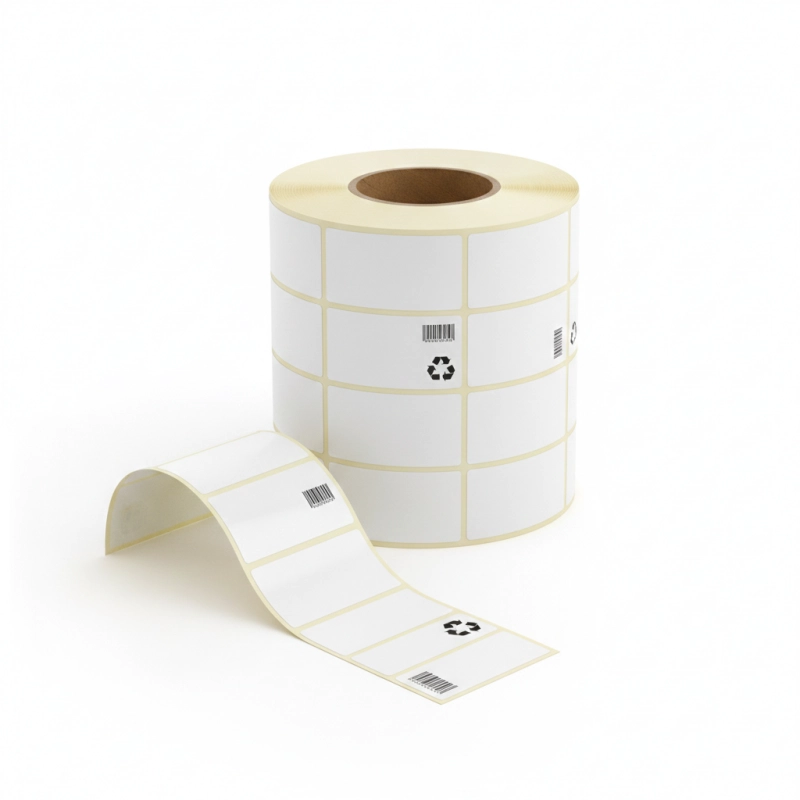
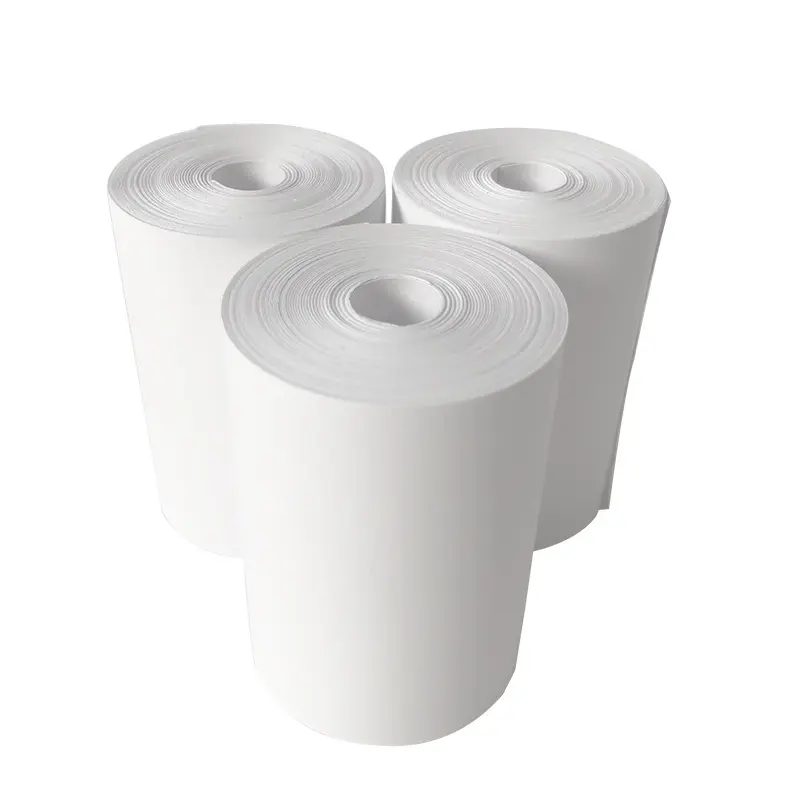
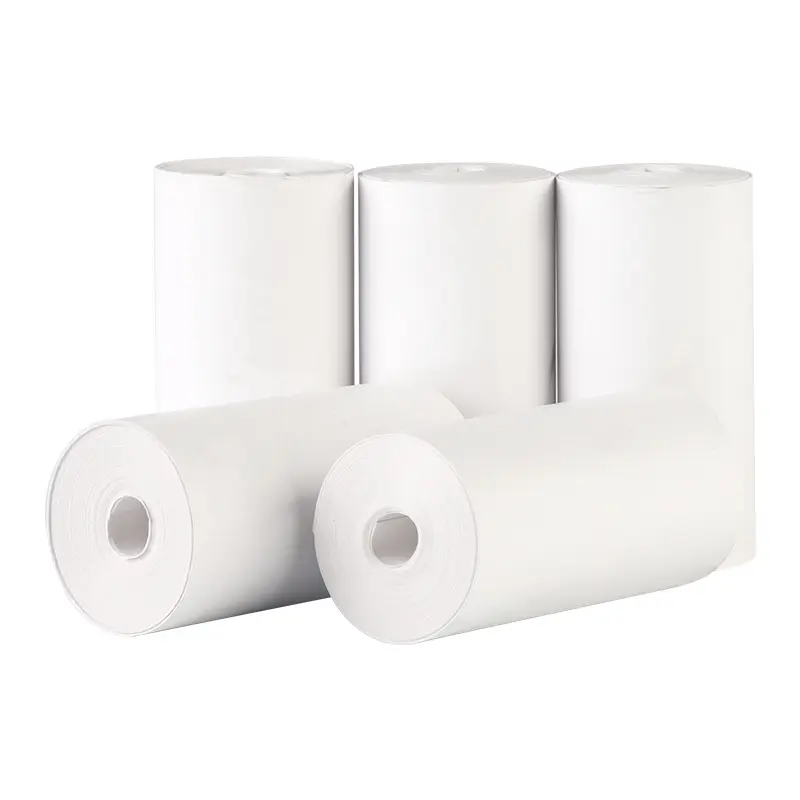
The custom receipt paper format offers a visual starting point for a specification discussion. Its product image does not establish actual meters, print density or barcode readability. Those properties need a defined sample and measurement record.
When comparing POS paper roll manufacturers, ask every supplier to quote the same definition. A stated nominal length, a minimum delivered length and an average across a sample are different commitments. The order should say which one is being offered, how variation is evaluated and what happens when an individual roll falls outside the agreed condition.
Read Roll Dimensions As Separate Physical Quantities
Distinguish Width, Outside Diameter And Core Measurements
Width determines whether the media fits the intended paper path. Outside diameter affects the space required in the compartment. Core inner diameter concerns the center opening, while core outer diameter affects how much of the roll cross-section is occupied by the tube. These dimensions should be named explicitly in the specification.
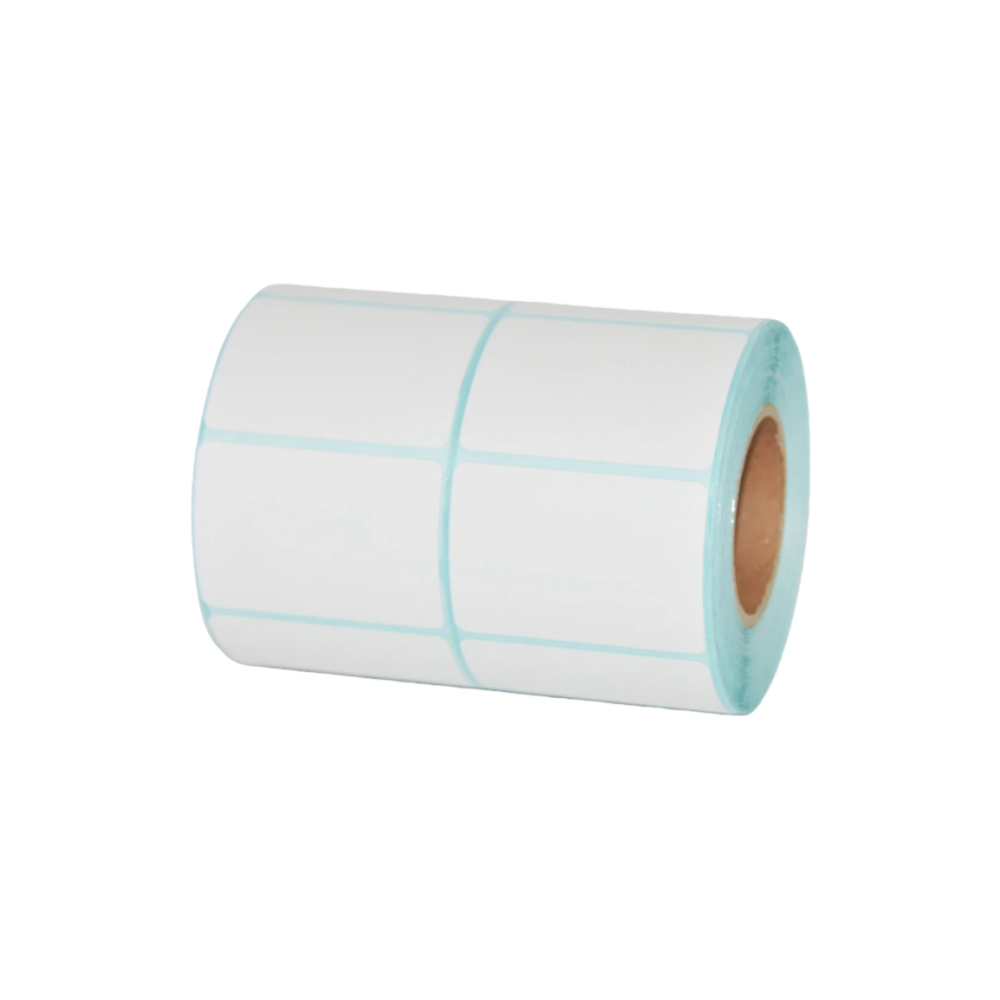
A compact size string can hide different conventions. For example, the labelled receipt roll example shows several dimensions and a pack quantity. Ask the supplier to identify each dimension, its unit and its measurement method rather than assuming the last number always refers to the same core feature. Confirm whether the stated core diameter is the inner opening or the outside of the tube.
Use The Geometric Estimate Only As A Consistency Check
For an ideal tightly wound roll, paper length depends on the annular area between the outside of the roll and the outside of the core, divided by paper thickness. In consistent millimeter units, a simplified estimate is L = π(D² − d²) / (4t), where D is roll outside diameter, d is core outside diameter and t is paper thickness. Divide that result by 1,000 to express meters.
This estimate assumes a uniform thickness and an ideal wound shape. Real winding, air gaps, compression and measurement uncertainty can alter the relationship. Using the inner opening as d incorrectly includes the tube wall as paper, so even a precise calculator cannot rescue an incorrectly defined input.
Use the calculation to identify a question worth checking, not as automatic acceptance evidence. If an offer combines a small diameter, a thick stock and a long stated length, ask for the actual test method and a representative sample. The supplier may be using a different dimension convention, or the offer may need correction.

Account For Paper Thickness And Winding Conditions
A Similar Outside Diameter Can Contain Different Lengths
Paper thickness and basis weight describe different properties. Thickness contributes directly to the space occupied by successive layers, while basis weight describes mass per area. Neither should be substituted for the other without a justified relationship for the particular stock. A quoted paper weight alone cannot establish usable length.
Printer manufacturers publish model-specific consumable dimensions, and their catalogues may list different lengths for rolls with similar outside dimensions but different stock thicknesses. This illustrates why a purchaser should compare the complete media specification rather than rely on a single diameter in a product name.
Winding Changes The Shape Seen At Receiving
Winding tension affects how the layers sit together and how the roll presents at inspection. A loose roll may appear large without carrying proportionally more paper; an uneven face may complicate diameter measurement. The supplier should explain its relevant converting controls without treating visual tightness as a substitute for measured length.
The public factory information provides context for discussing converting work. Ask which line and settings produced the sample, how the length counter is checked and how a change in winding tension is controlled. A machine photograph cannot answer those questions by itself.

Agree On A Reproducible Sample Measurement
Measure The Paper Without Losing The Sample Identity
A direct unwinding measurement can provide useful evidence when the method is agreed in advance. Identify the roll and carton, document its condition before opening and use suitable measuring equipment. Record where the measurement starts and ends, and how any damaged, attached or marked section is treated.
The procedure should avoid introducing uncontrolled stretch, slipping or repeated counting of the same section. If a counter is used, its condition and verification matter. If a bench method is used, the sequence should be reproducible by a second operator rather than depend on an informal estimate from a few visible wraps.
| Recorded Item | Why It Matters | Common Ambiguity To Resolve |
|---|---|---|
| Roll and carton identity | Connects the result to delivered material | A loose sample without a lot reference |
| Start and end boundaries | Defines the length actually counted | Whether attached or marked tail sections count |
| Measurement equipment | Makes the result reproducible | An unchecked counter or an undocumented estimate |
| Core construction | Explains the non-paper center volume | Inner diameter substituted for outer diameter |
| Individual results | Shows variation rather than only an average | A mean that hides short individual rolls |
For repeat orders, preserve the method version with the results. If the buyer and supplier use different procedures, compare their boundaries and equipment before concluding that one party supplied or measured incorrectly. The supplier company profile should be matched to the entity responsible for resolving that technical discussion.
Separate A Length Check From A Printer Trial
Record The Device Conditions That Affect Usable Output
A roll can contain the promised paper yet produce a different number of receipts because receipt length, margins, cutting behavior and application settings differ. A controlled device trial therefore needs the printer model, relevant settings, receipt template and starting condition. A transaction count without these details is weak evidence of supplied meters.
For supermarkets using several device types, group the trial by actual printer and media requirements. Check whether the same roll configuration is authorized for each model. The thermal paper range can help organize candidate formats, but a catalogue family name does not establish universal compatibility.
Run the agreed content pattern and record paper handling, feeding and end-of-roll behavior separately from print appearance. If a barcode matters to the application, test the actual printed output with the intended scanning conditions. A promotional or generated receipt image cannot be used as evidence that a real barcode scans correctly.
Classify Lost Output Before Assigning The Cause
If usable length appears lower than expected, distinguish the measured paper shortage from paper discarded during loading, cutting, faults or restart. A roll damaged in transport raises another question. Keeping these quantities separate allows the supplier to investigate a converting issue while the user investigates device behavior.
POS paper roll manufacturers should be able to review the sample identity and the test conditions together. Ask for a technical response that states what was reproduced, what was not reproduced and what additional evidence is needed. A replacement carton may resolve immediate supply pressure without resolving the underlying cause.

Protect The Approved Roll Through Packing And Storage
Packaging should preserve the roll shape and identify the approved format through delivery. The carton quantity, inner pack arrangement and lot marking should agree with the order. Record damage before unpacking so that crushed edges or loose winding can be distinguished from the condition of the retained approval sample.
Storage and handling instructions should come from the actual paper grade and application requirements. Ask how the supplier communicates them and whether the packaging protects the media during the expected route. Avoid turning a generic storage statement into a promised receipt-retention life for every climate and use condition.

Frequently Asked Questions
Does A Larger Roll Always Contain More Paper?
No. Outside diameter interacts with core size, paper thickness and winding. Compare the full specification and confirm length using the agreed method before treating a larger-looking roll as a better value.
Can Core Inner Diameter Be Used In The Roll-Length Estimate?
The ideal annular-area estimate needs the outside diameter of the core. Using the center opening includes the tube wall as if it were paper. Define both core dimensions where they are relevant to the order.
Is The Number Of Printed Receipts A Reliable Length Measurement?
Only within a controlled and documented output pattern, and even then it answers an application question. Receipt content, margins and cutting can change consumption. A physical length check should remain distinguishable from that trial.
Should Only The Average Sample Length Be Reported?
Keep individual results as well as any summary. An acceptable average can conceal a short roll if others are longer. Apply the acceptance rule agreed for the order rather than inventing one after the results are known.
Does The Label In A Product Image Prove The Delivered Dimensions?
No. It identifies an offered format or illustrative example. Verify the actual sample, its markings and its measurement record, then connect the approved specification to the delivered lot.
Make Repeat Orders Depend On A Stable Specification
Record Which Changes Need A New Review
The approved configuration should identify stock, width, core construction, target length, winding requirements, packing and the agreed acceptance method. Ask which substitutions require notice before production. A change that keeps the same outside diameter can still affect meters per roll, feeding or the appearance of the printed output.
Evaluate POS paper roll manufacturers against the evidence they can supply consistently, including individual test results and clear handling of deviations. A low unit price is easier to assess when the purchased length and accepted use conditions are defined. Otherwise, competing offers may describe materially different supplies.
Prepare the printer models, required roll format and current measurement procedure before sending a receipt roll specification enquiry. The next useful step is to agree on a representative sample and its acceptance boundaries, then compare delivered material against that same record.
 You May Also Like