


 Home
Home XBD
XBD  Aug 03,2026
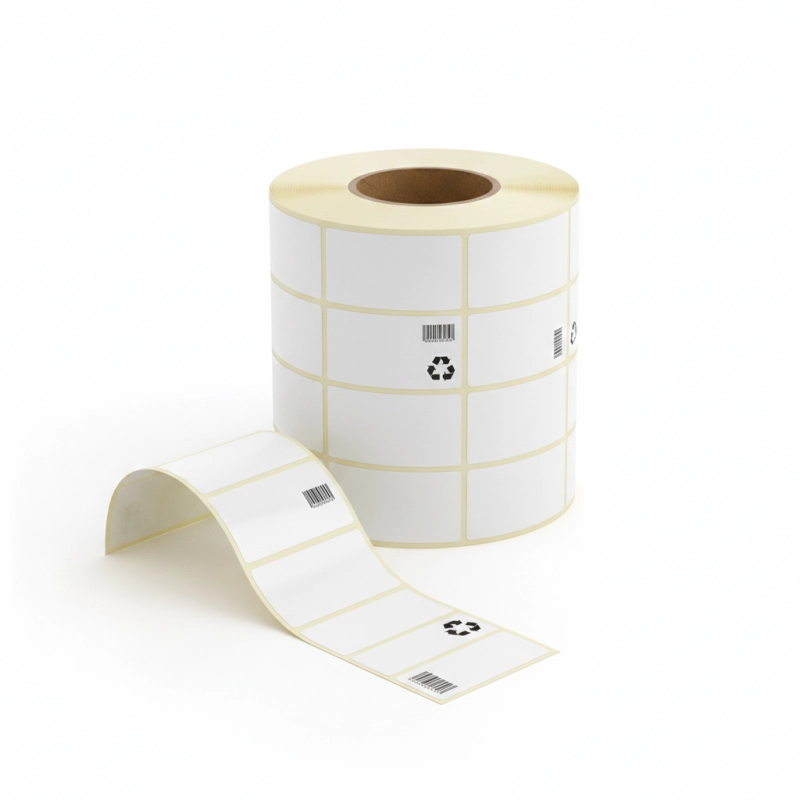
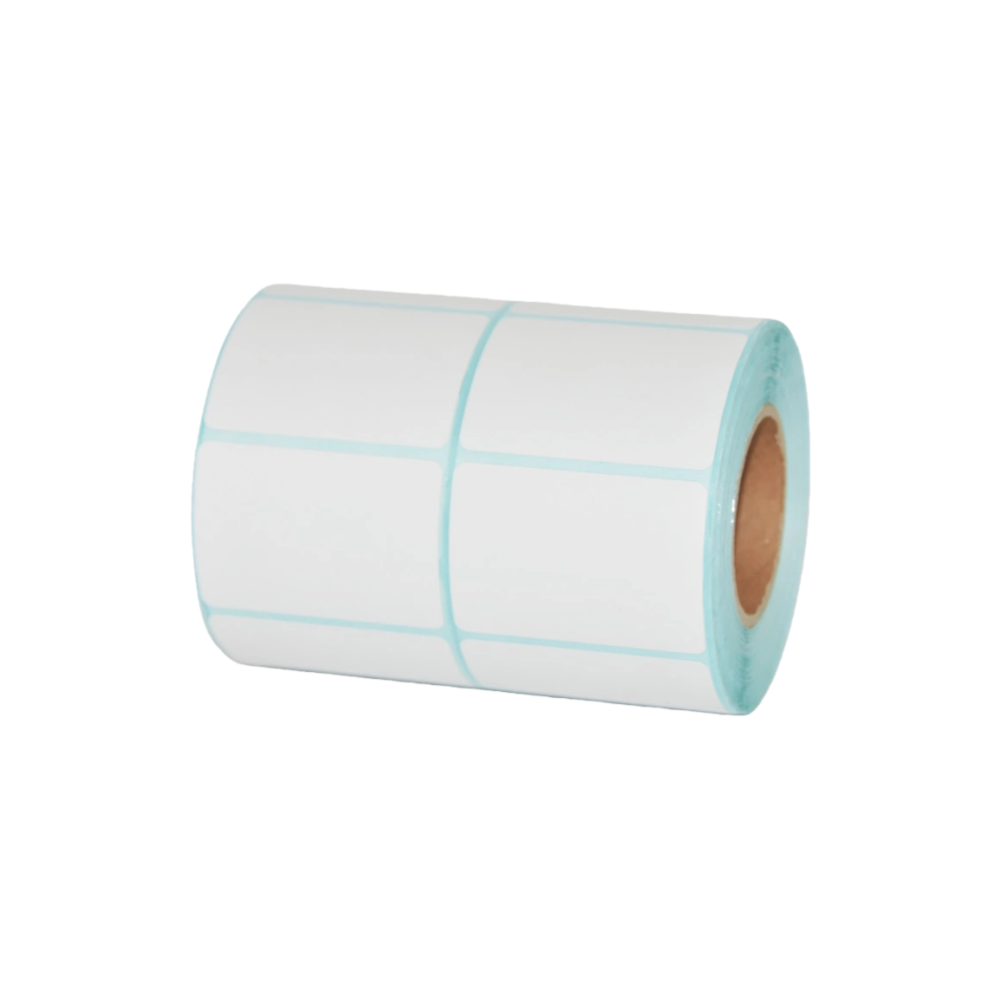
Thermal till roll manufacturers prove printer fit by translating device limits into measurable roll controls and a repeatable sample acceptance plan. A roll described only as “80 mm thermal paper” can still fail because actual width, outside diameter, core geometry, paper thickness, winding, coating orientation, curl, dust, image response, or packaging differs from the printer and checkout environment. The supplier-evaluation task is to connect every relevant printer constraint to evidence that can be checked before and after a trial order.
Start With the Printer, Not the Catalog Roll Name
Build a device matrix for every checkout configuration
Record printer manufacturer, model, paper-width setting, installed spacer, maximum roll diameter, minimum or permitted core size, coating orientation, sensor requirements, cutter configuration, and any approved paper references stated by the device maker. Include legacy devices and mobile units rather than validating only the newest counter printer. When a chain uses several models, the controlling requirement may be the narrowest tolerance or smallest paper compartment.
Distinguish nominal labels from measurable limits
A nominal “80 mm” product is not evidence that the delivered width will fit every printer. The purchasing document should state target, tolerance, and test method. The same applies to outside diameter, core inside and outside diameter, paper length, and thickness. The resulting printer paper specifications should also explain whether roll width includes any core projection and whether diameter is measured before or after conditioning.
Use the site's thermal paper category to identify options, then approve a model-specific matrix and controlled drawing revision.
Convert Machine Limits Into a Controlled Roll Drawing
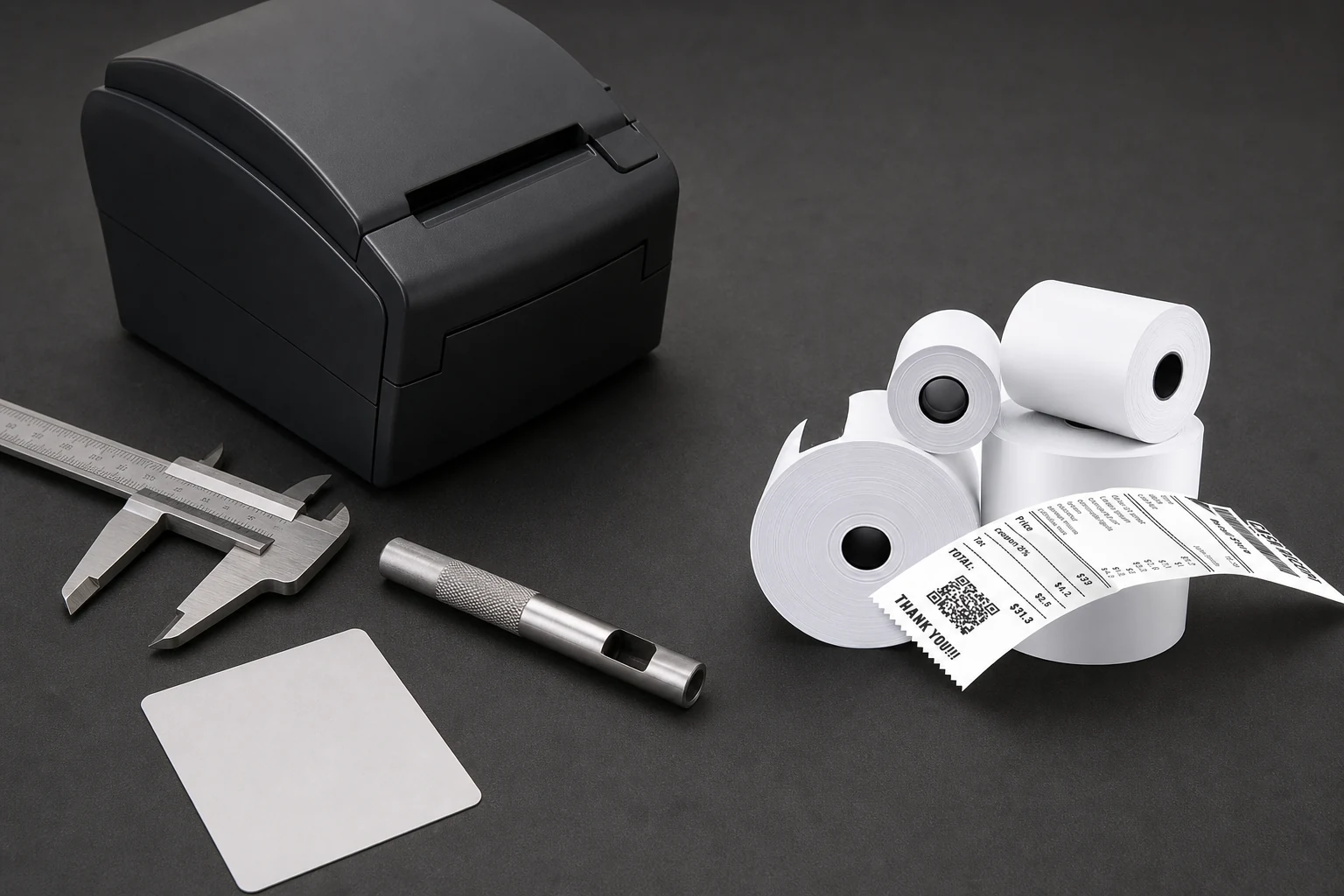
A controlled drawing creates one source of truth for dimensions and construction. It should show paper width, roll outside diameter limit, core inside and outside diameter, core width, winding direction, coated side orientation, permissible splice condition, end attachment rule, and any black-mark or preprint location. Notes should define units, tolerances, conditioning, and inspection tools.
Measure dimensions under defined conditions
Paper responds to temperature and humidity, while compression can distort a soft roll. The supplier and buyer should agree on conditioning, instrument resolution, measurement force, sampling location, and rounding. Width can be checked at several positions; diameter should be measured without crushing the roll; core dimensions should be verified separately from the paper. These controls turn receipt roll dimensions into comparable data rather than numbers copied from a product page.
Connect diameter, thickness, and length without hiding assumptions
More length usually increases roll diameter, but the relationship also depends on paper thickness, winding density, core diameter, and tension. A length claim should therefore be supported by a defined measurement or calculation basis. If the project prioritizes maximum usable length, the buyer still needs a diameter ceiling that protects loading, cover closure, feed pressure, and cutter operation. A longer roll that jams or compresses inside the bay is not a productivity gain.
| Control | Specify | Verify on sample | Common failure |
|---|---|---|---|
| Paper width | Target, tolerance, measurement points | Caliper or suitable width gauge across sampled rolls | Skew, rubbing, poor cutter alignment |
| Outside diameter | Maximum and conditioning state | Non-compressive diameter check | Cover cannot close or roll drags |
| Paper thickness | Method, range, sample preparation | Agreed paper-thickness method | Length mismatch, feed or heat-response change |
| Winding | Coated side, tension, edge alignment | Unwind check and printer loading trial | Reversed imaging side, telescoping, curl |
Assess the Paper, Coating, and Print Response Separately
Use standard methods as a common language
Paper thickness and grammage can be tested under recognized methods, but the purchase specification must still state the selected method, sampling, and acceptance range. Conditioning matters because moisture affects paper measurements. The objective is not to add a standard number to a data sheet; it is to make results comparable across trial, incoming inspection, dispute resolution, and repeat production.
Test image response in the actual printer settings
Run the candidate roll through representative devices using normal print density, speed, graphic coverage, cutter cycles, and operating temperature. Evaluate text density, barcode readability where relevant, background fog, residue, paper dust, curl, feed stability, and cut quality. A laboratory image-density value can support the review, but it should not replace the application trial because printer energy and mechanics affect the observed result.
Use the manufacturer's factory page to ask which line and controls apply, how coating orientation is protected, and how samples link to the production lot.
Evaluate Converting Controls That Preserve Repeat Orders
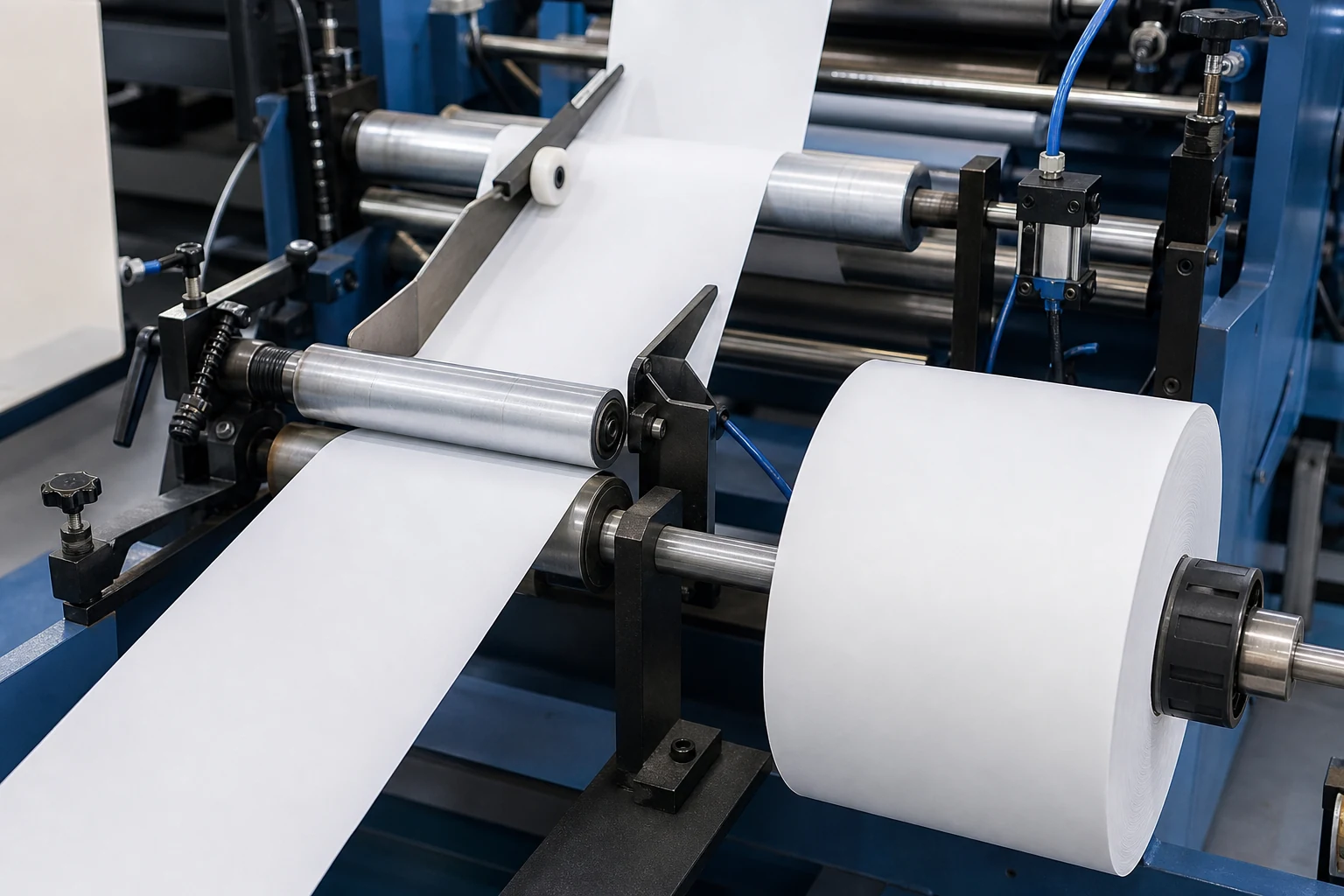
Even when the parent paper is consistent, converting can introduce variation. Slitting knives wear, guides shift, tension changes, cores vary, and operators may use different setup references. A capable supplier should explain the control plan from jumbo roll identification through finished-roll packing.
Trace the parent roll through slitting and packing
Lot traceability should connect the finished carton to parent paper, coating or source lot, converting line, date, shift, core lot, packaging materials, inspection results, and release status. This matters when a problem affects only one portion of a shipment. Without traceability, a narrow issue can force the buyer to quarantine every carton or accept an unsupported claim that later production is different.
Setup and first-off approval. The record should identify slit width, guide position, winding direction, tension range, core configuration, length method, and packaging code. Check a first-off sample before the line continues; for high-mix production, add line clearance and label reconciliation.
Thermal till roll manufacturers should be able to show how a trial setup becomes a repeat setup. The evidence does not need to expose proprietary machine settings, but it should identify controlled parameters, inspection points, authority for release, and change-notification rules.

Design the Trial Order as an Acceptance Study
A useful trial order has predetermined questions, a representative sample, and a clear decision rule. A few rolls without lot context reveal little about production variation, packaging durability, or traceability.
Sample across cartons, positions, and production time
Ask how the rolls were selected. A balanced plan can include cartons from different pallet positions and rolls produced at the beginning, middle, and end of the run. Record carton and roll identifiers before testing. The plan should match the risk and order size; it need not be statistically elaborate to be more informative than choosing the top roll from one open carton.
Separate fit, print, endurance, and logistics. The trial order inspection should record dimensions, loading, closure, feed, print, readability, cutter and end-of-roll behavior, dust, curl, and conditions. Review carton strength, moisture protection, deformation, count, labeling, and pallet stability separately.
Application examples on the site's thermal paper use pages can help identify supermarket and checkout conditions. The buyer should convert those conditions into a test protocol for its own devices, print content, handling, and storage route.
Check Compliance and Chemical Declarations by Market
Chemical and sustainability statements need a defined scope. A declaration should identify the product, substance or standard, threshold, method, laboratory, date, and responsible entity; requirements can differ by market and use.
Request product-linked evidence, not a generic policy
A supplier policy may describe intent, while a declaration or test report should link to the proposed paper grade and relevant lot or validity period. Verify the named legal entity, manufacturing location, sample description, analytical method, reporting limit, result, and whether the laboratory is appropriate for the requested evidence. If a claim applies only to the coating or base paper, that limitation should be visible.
Identify regulatory and customer requirements before carton labels are approved. The site's company profile gives general context; its certificate page can guide evidence requests, but product-and-destination compliance still needs current confirmation.
Compare Suppliers With One Evidence Scorecard
Supplier comparisons become distorted when one company receives a detailed specification while another responds to a catalog inquiry. Issue the same device matrix, controlled drawing, test plan, packaging request, compliance list, and change-control questions to every candidate. Score evidence quality, not presentation volume.
Rank gaps by consequence and detectability
A missing brochure detail is not equal to an uncontrolled width tolerance. Classify gaps by their effect on printer function, receipt readability, checkout interruption, compliance, logistics, and repeat-order consistency. Also consider detectability: a wrong carton count is visible at receiving, while gradual coating drift may appear only after rolls enter service. High-consequence, low-detectability gaps deserve stronger supplier controls.
At evaluation stage, thermal till roll manufacturers can be compared on specification discipline, sample representativeness, traceability, converting control, testing logic, packaging protection, change notification, and corrective-action evidence. Price becomes meaningful only after the compared offers describe substantially the same controlled product.
For checkout-specific assumptions, compare the site's supermarket application context with the buyer's actual device and storage matrix.

Frequently Asked Questions
Is nominal paper width enough to approve a roll?
No. Approval should include target width, tolerance, method, printer setting, and any core-width convention. Test the actual device mix; a nominal label does not prove clearance, tracking, cutter alignment, or repeat-order control.
Which roll measurements should appear on an RFQ?
Include width, maximum diameter, core dimensions and material, thickness or grammage, length basis, coated-side orientation, winding, end attachment, and pack count. The final receipt roll dimensions should reference one drawing revision.
How many printers should be used for a trial?
Test every configuration that can change fit or print behavior. Representative devices may cover identical units; mixed models, spacers, settings, or worn mechanisms may require more. Record the selection for later comparison.
What should incoming inspection repeat after approval?
Repeat the checks needed to detect shipment and process variation: identity, carton condition, count, sampled width, diameter, core, winding, appearance, traceability, and a defined printer check. The printer paper specifications should state the sampling and disposition rule so receiving staff do not invent criteria after a problem occurs.
What is the strongest warning sign in a manufacturer response?
A strong warning sign is evidence that cannot be linked to the offered product: a data sheet without tolerances, a test report for another grade, a sample without lot identity, or dimensions copied from a printer manual without a manufacturing control. Thermal till roll manufacturers should explain not only what the roll is intended to be, but how each released lot is shown to conform.
For a comparable trial proposal, provide the printer matrix, controlled roll drawing, normal checkout conditions, sampling expectations, packaging route, and required declarations through the site's project contact; ask the supplier to mark every assumption and open point before quoting.
 You May Also Like