


 Home
 XBD
 Oct 19,2026

Thermal papers form images when a compatible print head heats selected areas of a reactive coating, creating marks without a separate ink ribbon.
A receipt looks simple because the process happens quickly and inside a small machine. Yet the result depends on several parts working together: the coated surface, the heat delivered by the printer, the movement of the paper and the conditions in which the record is kept. Understanding that chain helps explain why a roll can fit a printer but still produce a disappointing record, and why a dark print today does not by itself establish how the receipt will look later.
The Image Starts In A Coating
Local Heat Creates The Pattern
In conventional direct thermal printing, the printable surface contains a heat-responsive system. The print head applies energy in a pattern as the paper moves past it. Selected areas darken, leaving the surrounding surface as the background. Characters and barcodes emerge from many small heated areas rather than from liquid ink placed on the sheet.
The thermal coating is therefore part of the imaging system. It is not simply a protective finish on ordinary paper. Its response must suit the printing conditions. This explains why visual similarity between two blank rolls is a weak basis for judging whether they will behave the same way in a particular device.
Different Layers Do Different Jobs
A thermal paper construction may include a paper base, layers that support imaging, the reactive layer and additional protective layers. The exact construction varies by grade. The base provides physical support, while the layers above it influence printing behaviour and, where specified, resistance to particular handling conditions. Do not infer a protective layer merely because a sheet feels smooth.
Koehler's description of conventional thermal paper explains the relationship between the base, precoat and imaging layer. That is useful background for understanding the product category, rather than proof of the construction of an unidentified roll. For a purchased grade, the supplier's actual specification should describe the relevant characteristics.
The Printer And Paper Form A Working Pair
Energy And Speed Affect The Result Together
The printer must deliver suitable heat while moving the paper at its operating speed. If the combination is unsuitable, the result may lack definition or show excessive darkening. Changing a setting can alter the output, but a setting change does not establish that the underlying paper grade is appropriate. Use the device instructions and the paper supplier's guidance together when assessing a new roll.
Print contrast describes the visible difference between the marks and their background. It matters for reading text, but readability also depends on edge definition, spacing and the condition of the printed area. A receipt that looks dark at a glance can still contain blurred small characters or poorly formed barcode elements. Judge the information the record must carry, not only its overall darkness.
Contact And Paper Movement Also Matter
The coating cannot compensate for every mechanical problem. Uneven contact, contamination, damaged components or irregular feeding can affect the printed pattern. If a defect repeats in the same position, examine the printer as well as the paper. Follow the manufacturer's cleaning and maintenance instructions instead of using improvised treatments that may affect the head or coating.
A basic comparison keeps the printer, file and settings constant while changing one paper sample at a time. Label each result with the sample reference and conditions. This makes an observation meaningful: the team can say which combination produced the mark, rather than relying on a memory that one receipt “looked better.”
Roll Dimensions Solve A Different Question
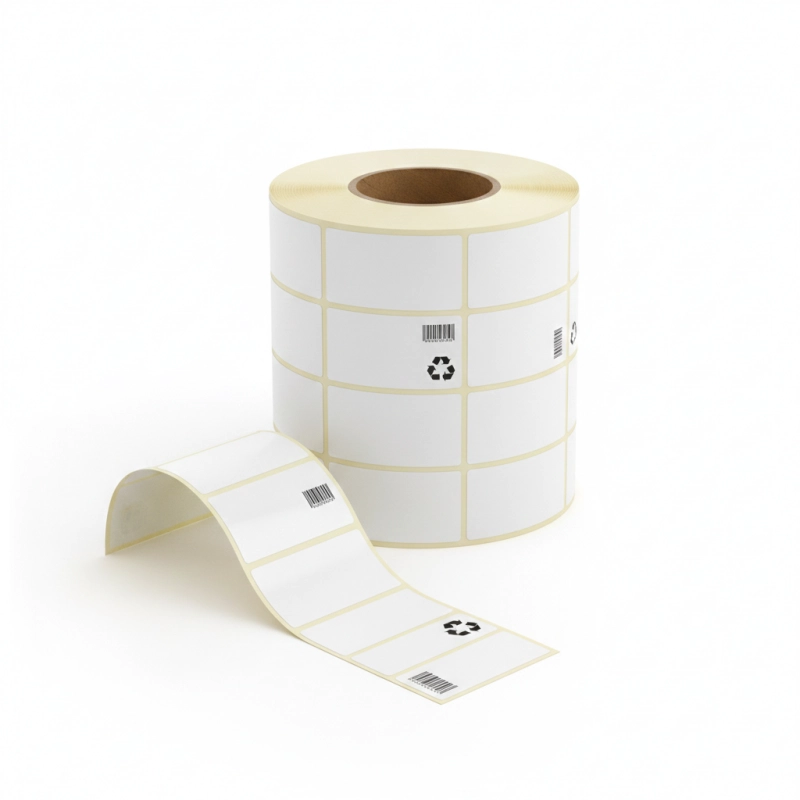
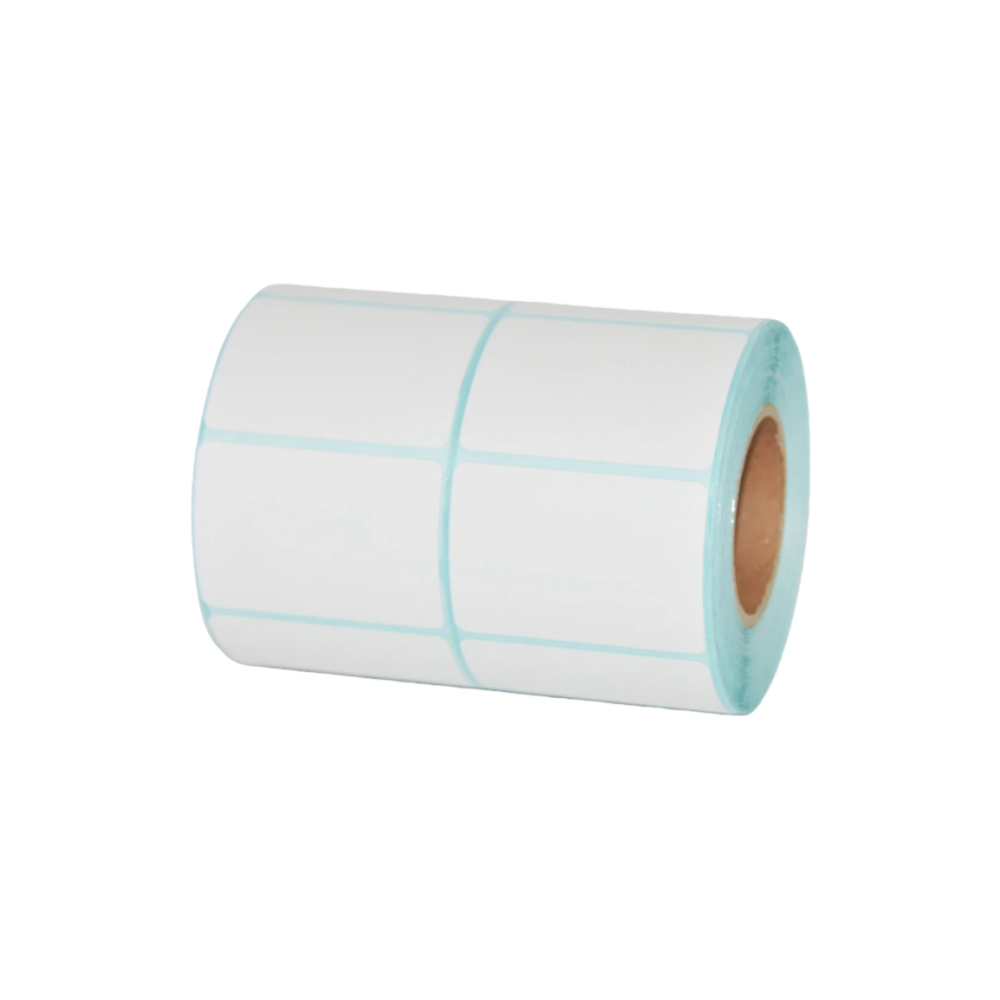
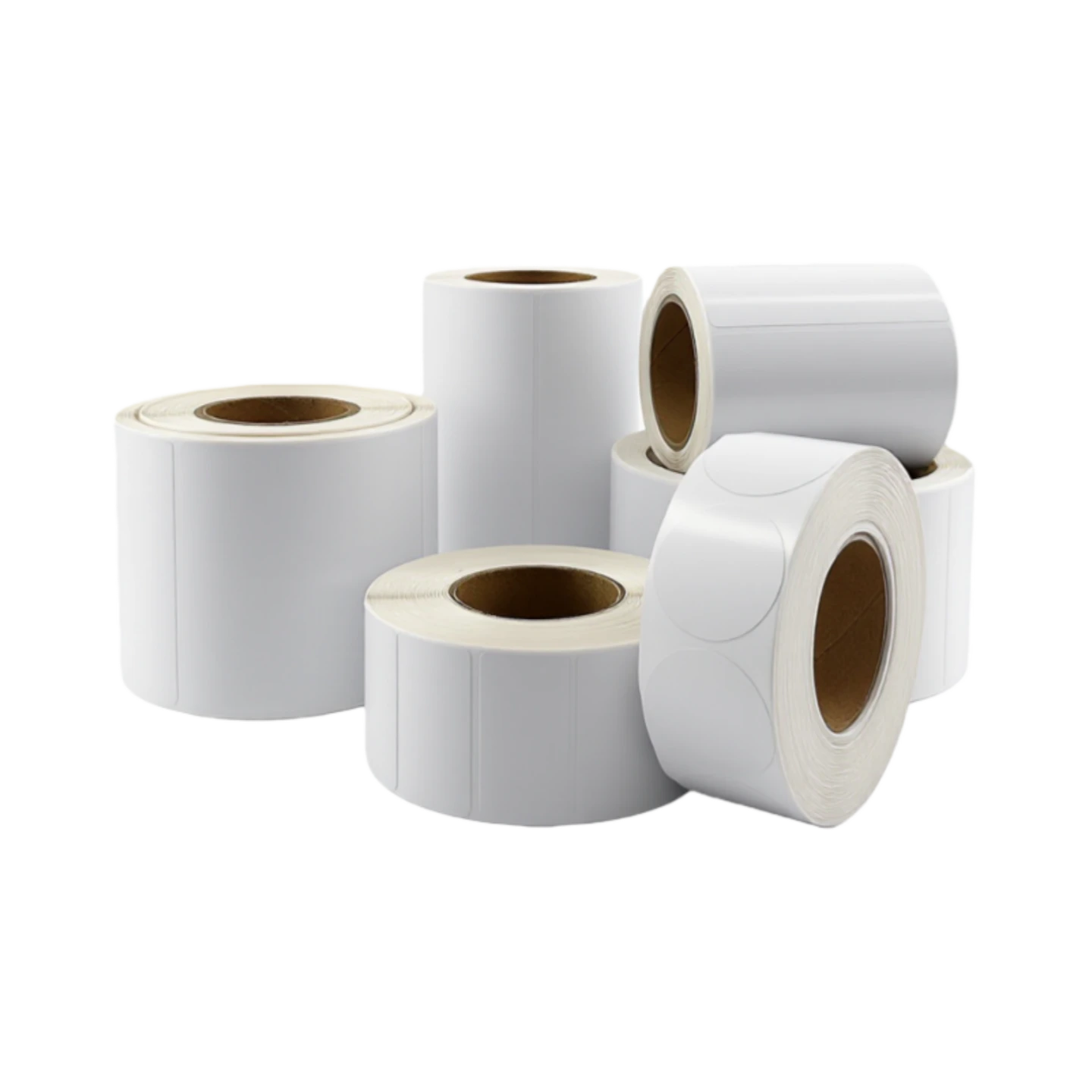
Thermal papers must physically feed through the chosen device, but fit and imaging response are separate checks. Roll width, outside diameter, core arrangement and winding direction concern mechanical compatibility. The coated side must also face the correct printing surface. A roll that sits neatly in the compartment may still be loaded incorrectly or use a grade that needs different printing conditions.
| Question | What It Tells You | What It Does Not Establish |
|---|---|---|
| Does the roll fit? | Basic compatibility with the compartment and paper path | Suitable imaging response or preservation performance |
| Does it print clearly? | The observed output from the tested combination | Performance on every printer and setting |
| Can the record be read later? | Readability after the documented handling conditions | An unlimited or universal storage life |
| Is a special property claimed? | A point that needs grade-specific supporting information | Proof based on colour, thickness or a product photograph |
The site's factory information helps place roll conversion in context. Converting larger material into usable rolls is distinct from establishing the performance of a particular coating. Keep the physical roll requirements and the paper-grade requirements in separate fields so one does not get mistaken for the other.

A Printed Mark Continues To Meet Its Environment
Heat And Light Can Change A Record
The same general sensitivity that enables direct thermal imaging also makes handling conditions relevant after printing. Excessive heat or prolonged exposure to unsuitable light can affect the background or image. The precise response depends on the grade and conditions. Avoid assigning every thermal coating the same temperature limit or promising a common image life across unrelated products.
Receipt storage begins at the point of use. A receipt left beside a hot machine or in direct sunlight experiences different conditions from one kept in a suitable indoor file. If the record matters later, define where it will be kept and for how long, then select and assess a grade for that use. A statement such as “long lasting” is incomplete without those conditions.
Contact Materials Can Matter As Well
Some chemicals and materials can interfere with an image. Ricoh's handling guidance identifies concerns including solvents and certain plasticisers. The practical lesson is to assess the actual materials that touch the record rather than assuming that every sleeve, adhesive or cleaning product is harmless. Protection should be compatible with the paper, not simply convenient.
For receipt storage, review the whole path: printing, customer handling, temporary collection and final filing. A record may encounter an unsuitable surface before anyone places it in a cabinet. If the intended retention period is important to the business, keep an appropriate digital record as part of its own record-management process instead of expecting a paper image to answer every retention need.

Observe The Whole Printed Record
Test Representative Content
A practical print assessment includes representative content. Use the smallest text that normally appears, typical bold areas, relevant barcodes and the usual print length. Check the first output and repeated output under the agreed conditions. The goal is to see whether the information remains clear through ordinary operation, not to create an unusually favourable sample that omits difficult details.
Record print contrast alongside the conditions that produced it. A visual assessment may be sufficient for an early comparison, while a formal requirement may need a defined measurement method and acceptance limit. Do not turn a subjective observation into a numerical specification without agreeing how it is measured. A sample photograph is useful for discussion but cannot replace the original record where fine detail matters.
The supermarket application page illustrates one setting in which receipts support day-to-day transactions. Other uses can place different demands on the same broad product category. A short transaction receipt and a record expected to survive repeated handling should not automatically inherit identical acceptance criteria.
When comparing thermal papers, ask three separate questions: did the printer form the intended image, did the roll feed reliably, and did the record remain usable after the relevant handling? Separating these questions helps locate a problem. It also prevents an excellent result in one area from hiding an unresolved issue in another.
Keep Samples Traceable Through Handling
Sample traceability can be simple. Give each roll a reference, record its stated grade and note the printer and settings used. Retain the printed output with the same reference. If storage behaviour is being compared, record the storage location, contact materials and assessment date. Without these details, a faded receipt becomes an observation with no reliable explanation.
Transport and unpacking also form part of the handling history. Protect material according to the supplier's instructions and check the condition of the packaging on arrival. A clean outer carton is not proof of an unchanged coating, but visible damage or unsuitable exposure is a reason to investigate before distributing rolls. Keep any concern connected to the affected shipment or sample rather than generalising it to all material.

The company profile gives supplier background, while grade-specific information should answer the performance questions for the actual roll. If an observation needs clarification, the technical enquiry channel is more useful when accompanied by the sample reference, printer model, settings and a clear description of the defect.
Frequently Asked Questions
Do Thermal Papers Need Ink?
Direct thermal paper forms an image through a heat-responsive surface, so the process does not use a separate ink ribbon. This differs from thermal transfer printing, where a heated head transfers material from a ribbon to a receiving surface.
Why Can Two Blank Rolls Print Differently?
The rolls may differ in grade, coating response or construction even if their appearance is similar. The printer's settings, condition and paper path also affect the result. Compare identified samples under controlled, documented conditions.
Does A Darker Receipt Always Mean Better Quality?
No. Darkness is only one observation. Fine text, barcode definition, background appearance, feeding and later readability all matter. Excessive darkening can hide poor detail, so judge the actual information the receipt must communicate.
Can Every Receipt Be Stored In A Plastic Sleeve?
Do not assume every sleeve is compatible. Certain materials can affect the image, and suitability depends on the paper and contact material. Follow grade-specific handling guidance and review the complete filing arrangement.
Can A Photograph Confirm A Special Paper Grade?
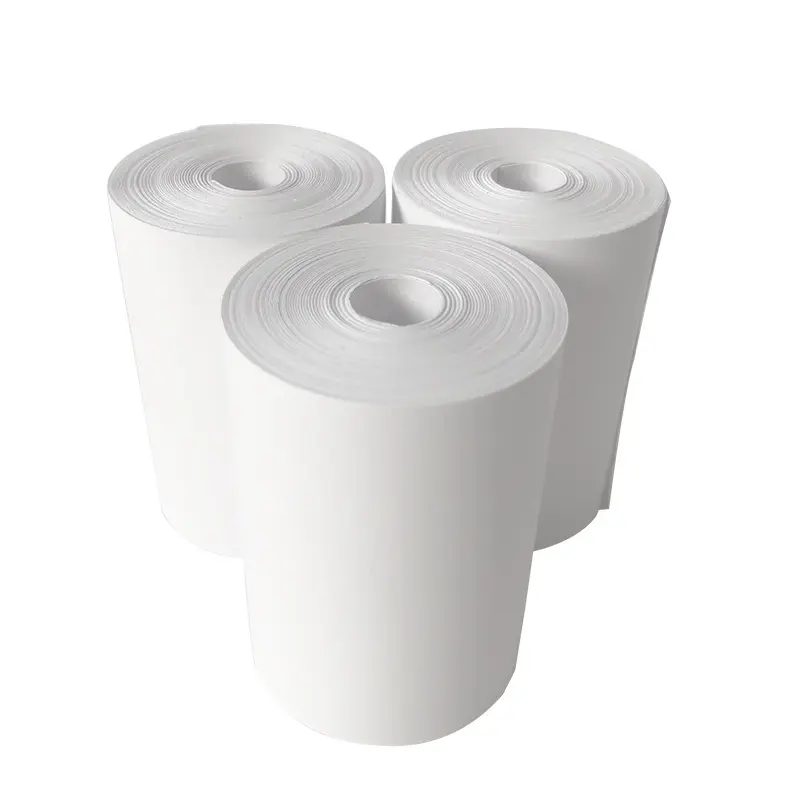
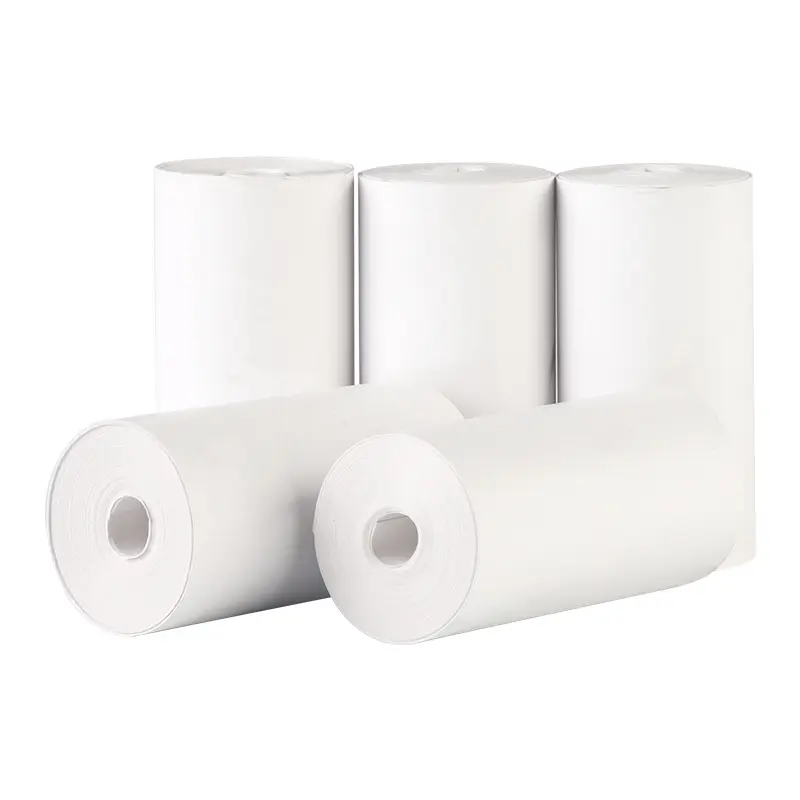
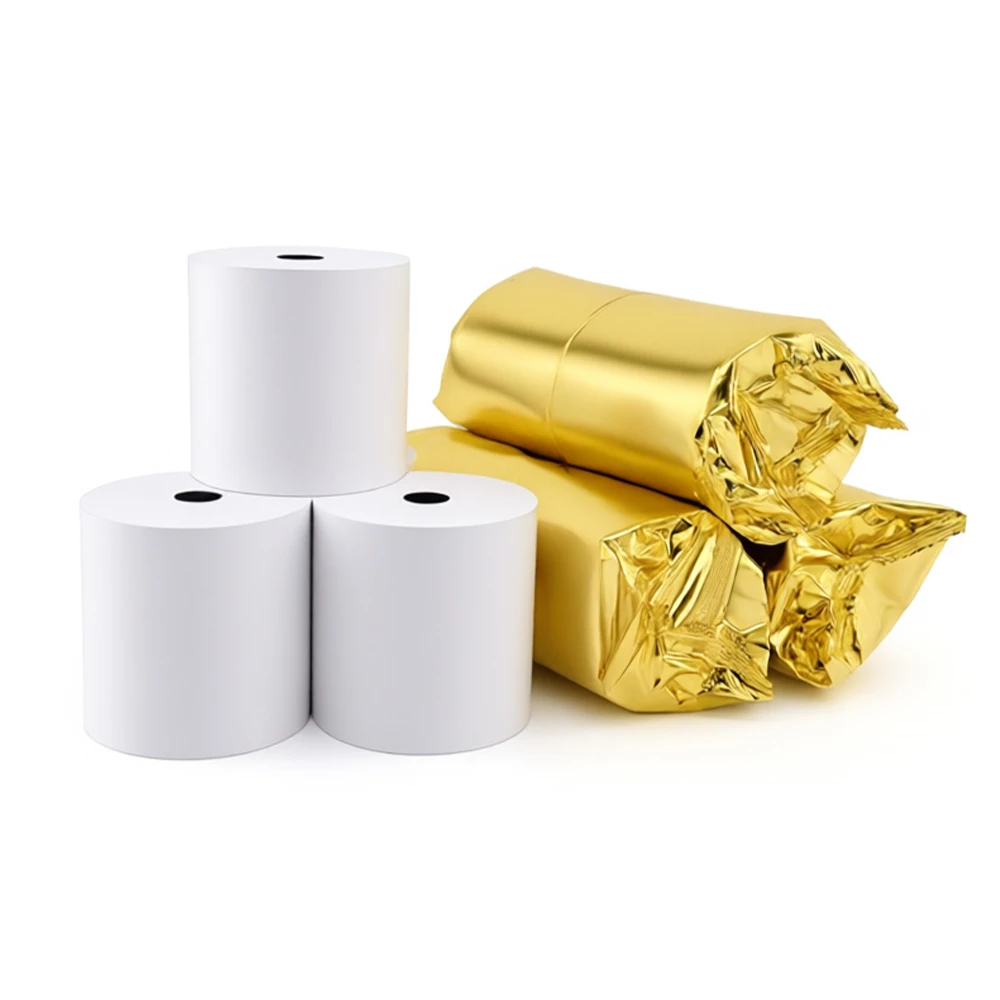
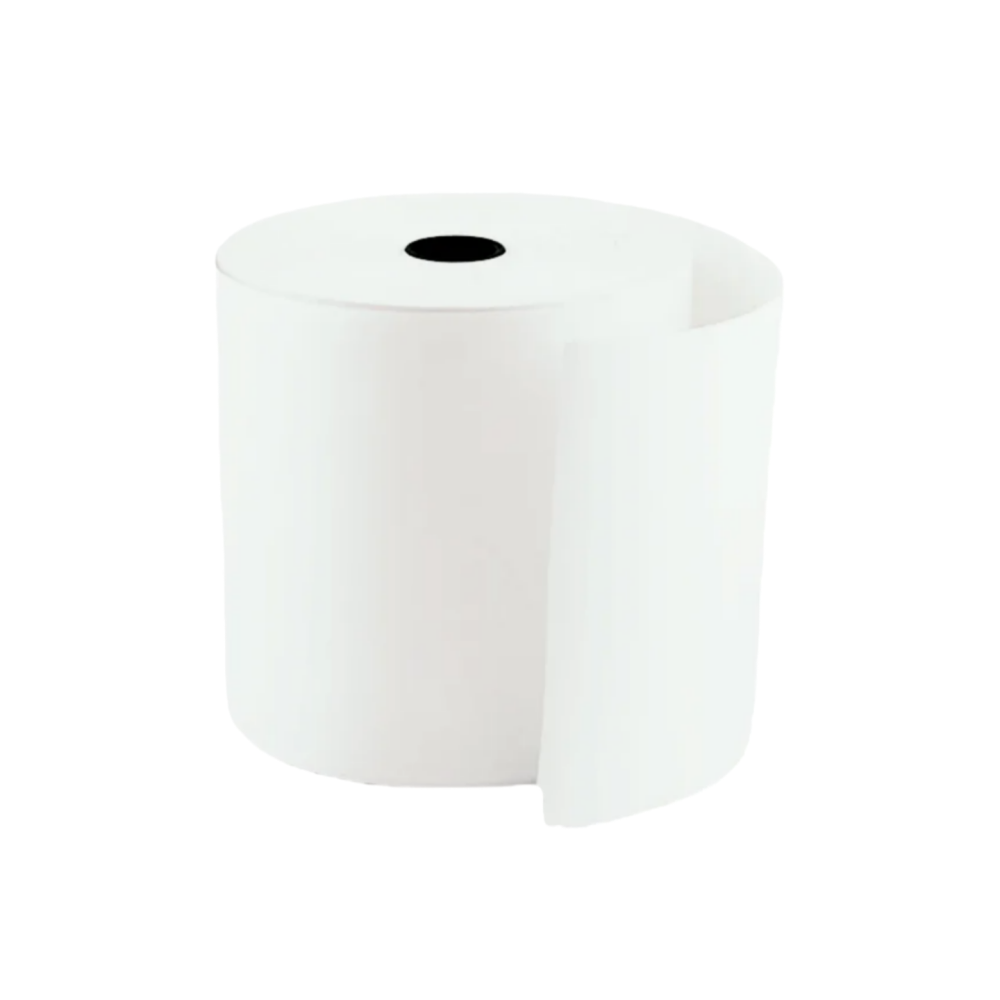
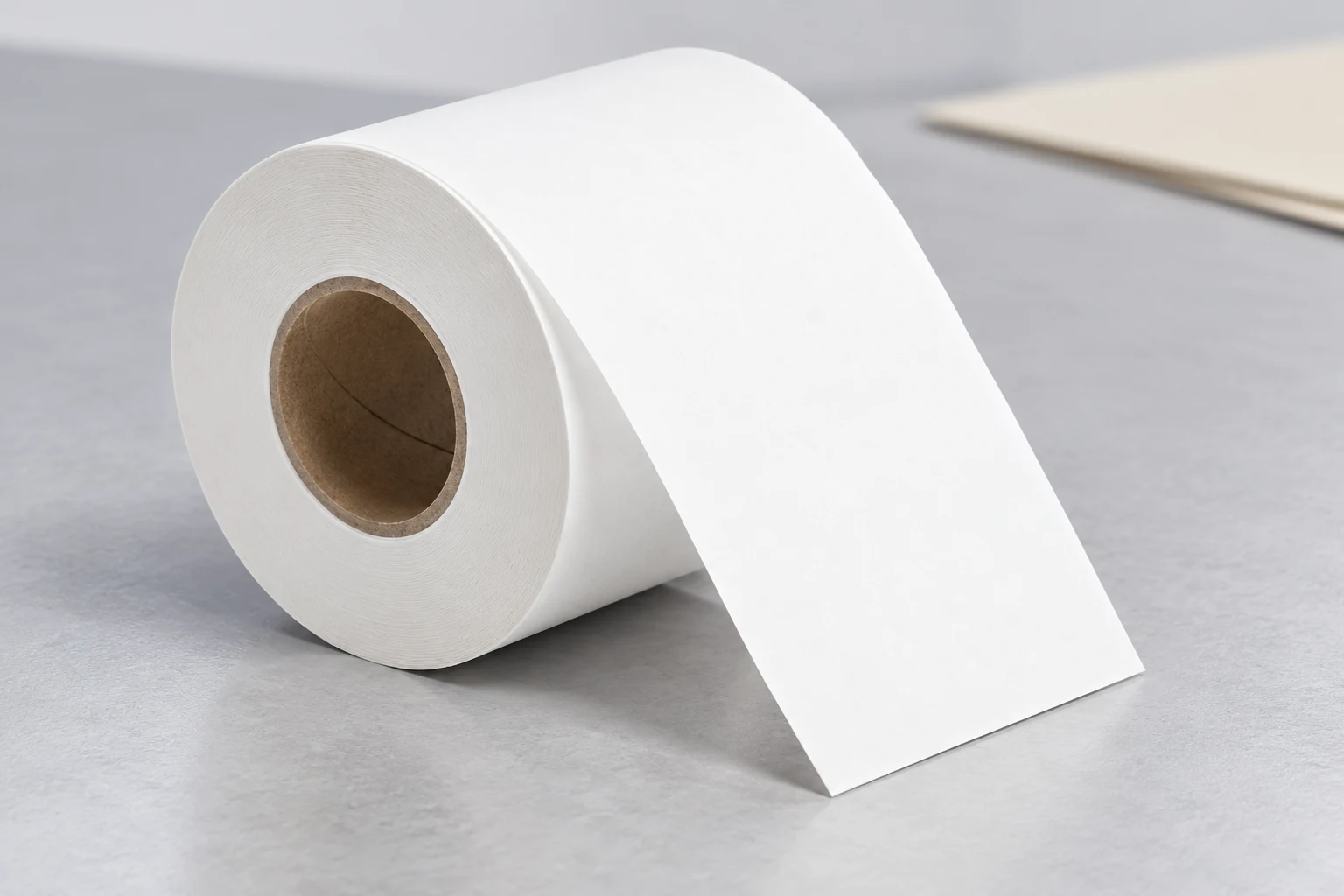
No. A photograph can show roll form and visible appearance. It cannot establish coating chemistry, a declared property or a retention claim. Those questions need reliable information tied to the particular grade and appropriate assessment.
Follow The Image From Formation To Use
The most useful way to understand a receipt is to follow its journey: a coating responds to a printer, the roll moves through a paper path, and the printed record meets its handling environment. The site's paper knowledge articles provide further context, while an identified sample links that context to a real application. Clear printing and suitable receipt storage are connected parts of the same record-making process.
 You May Also Like