


 Home
 XBD
 Oct 19,2026

Thermal paper needs a compatible roll size, a suitable heat-sensitive surface and appropriate handling. Width alone cannot predict how a receipt will print or remain readable.
A roll can fit inside a printer and still produce an unsatisfactory receipt. The coating may need a different printing setting, the core may not match the holder, or the printed record may encounter heat and chemicals after it leaves the machine. Understanding these separate functions makes it easier to distinguish a loading problem from an imaging problem or a storage problem. Receipt rolls should be judged against these separate requirements.
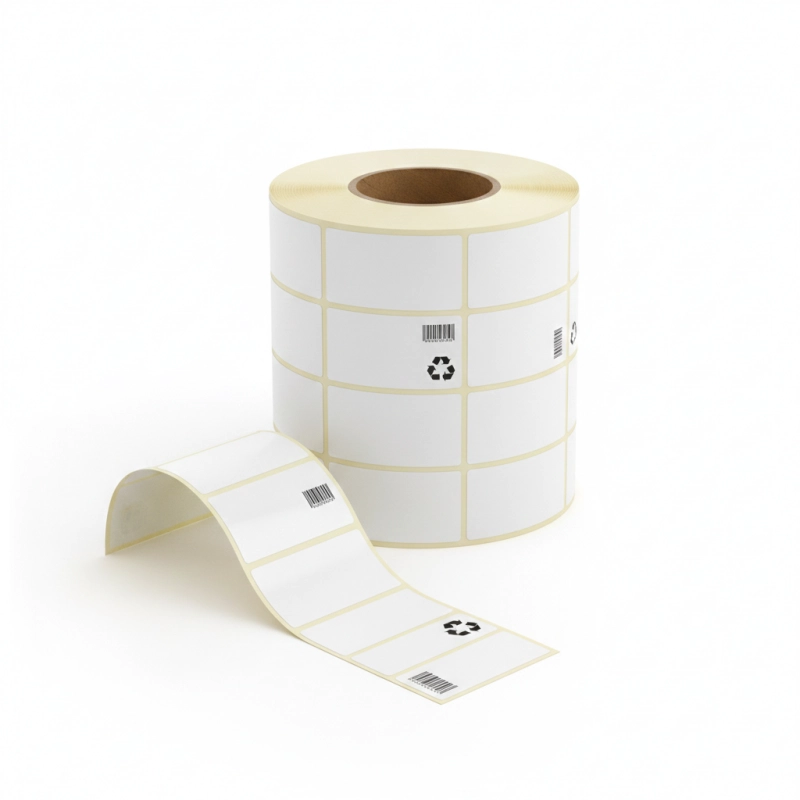
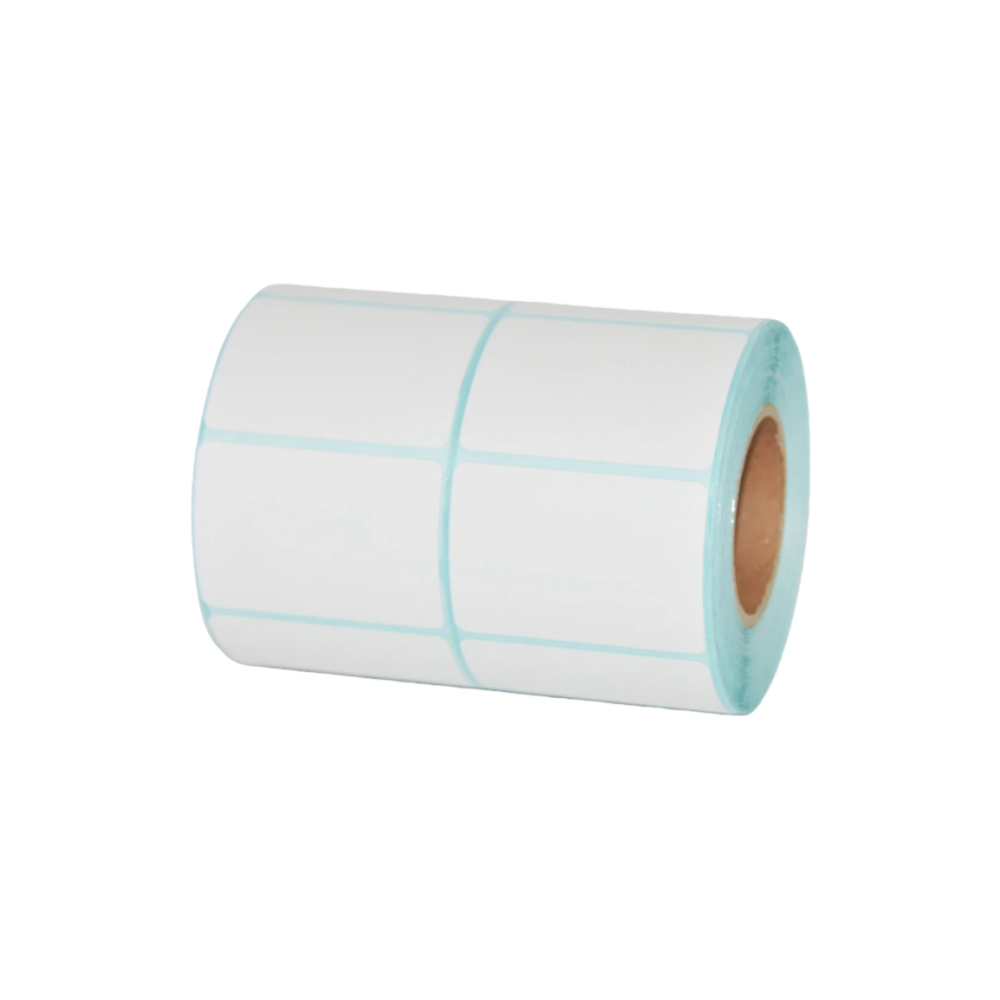
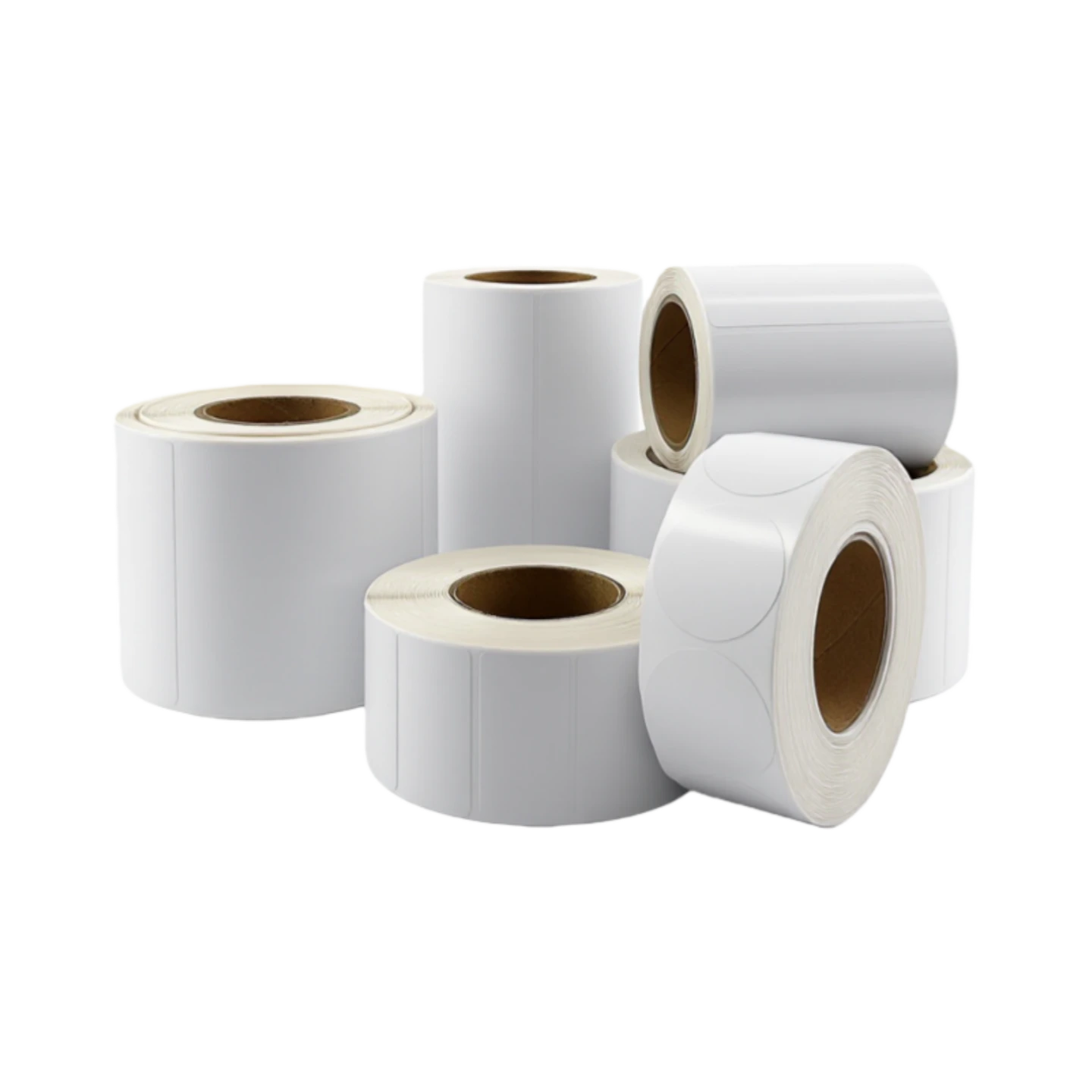
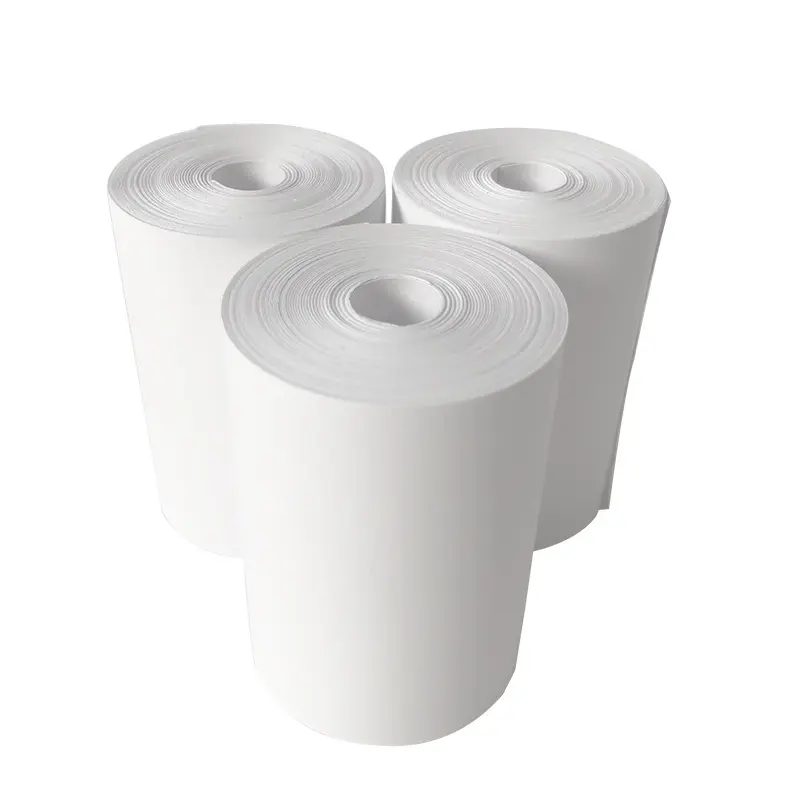
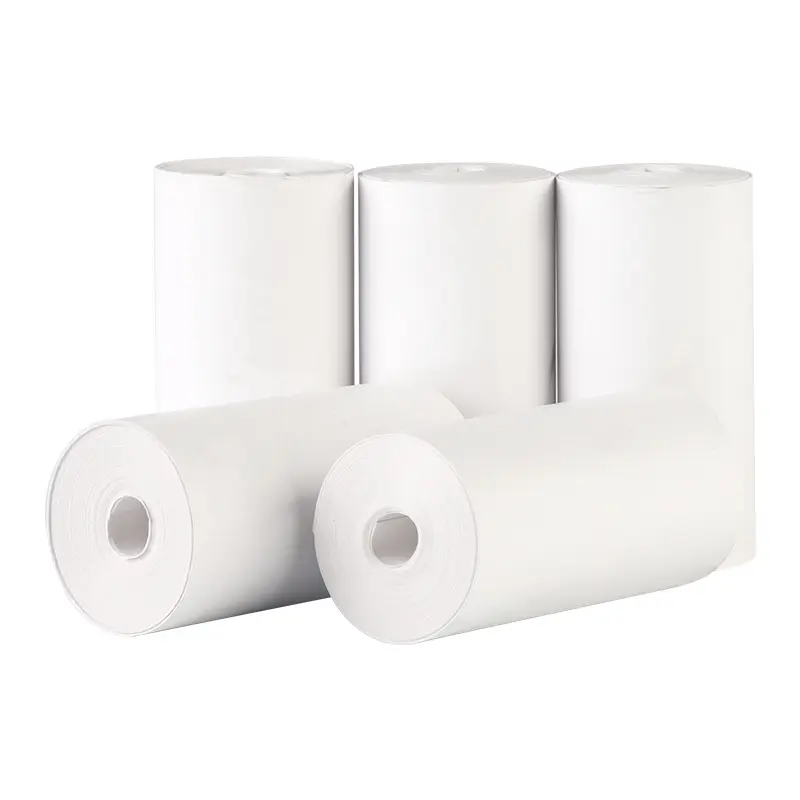
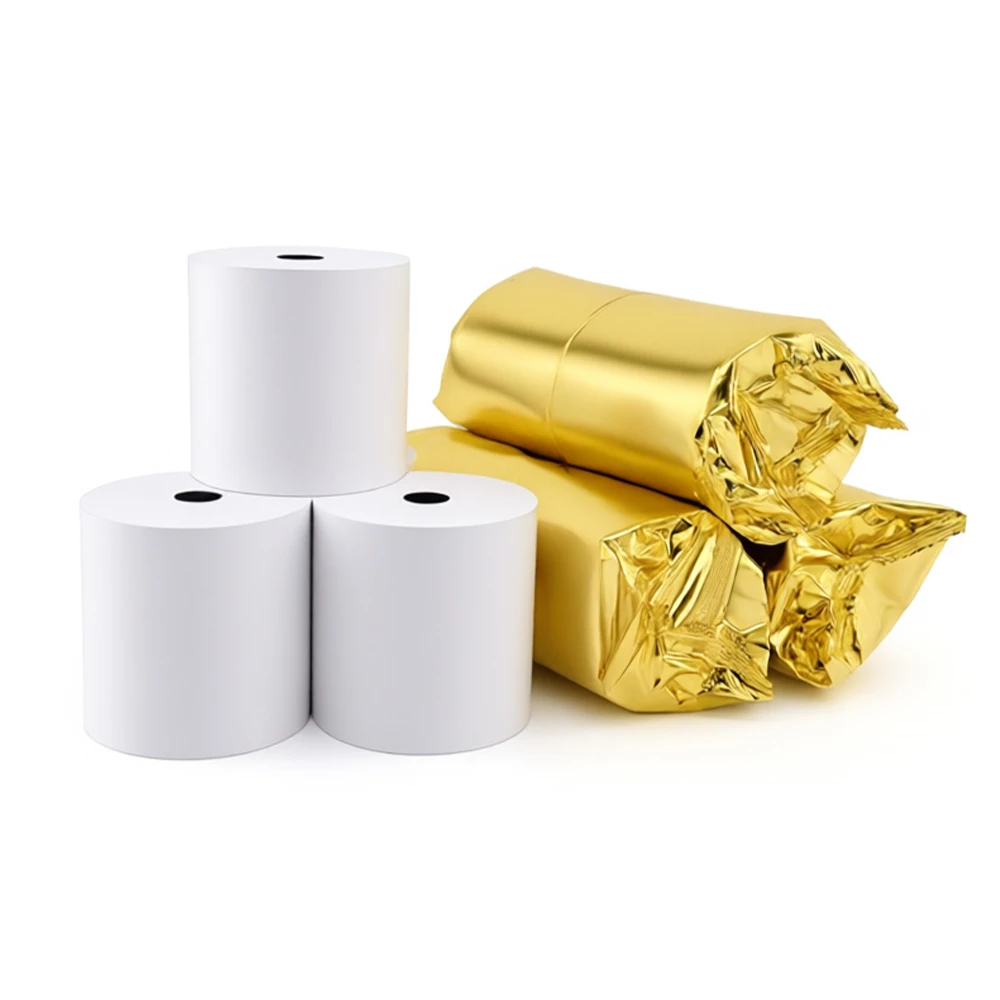
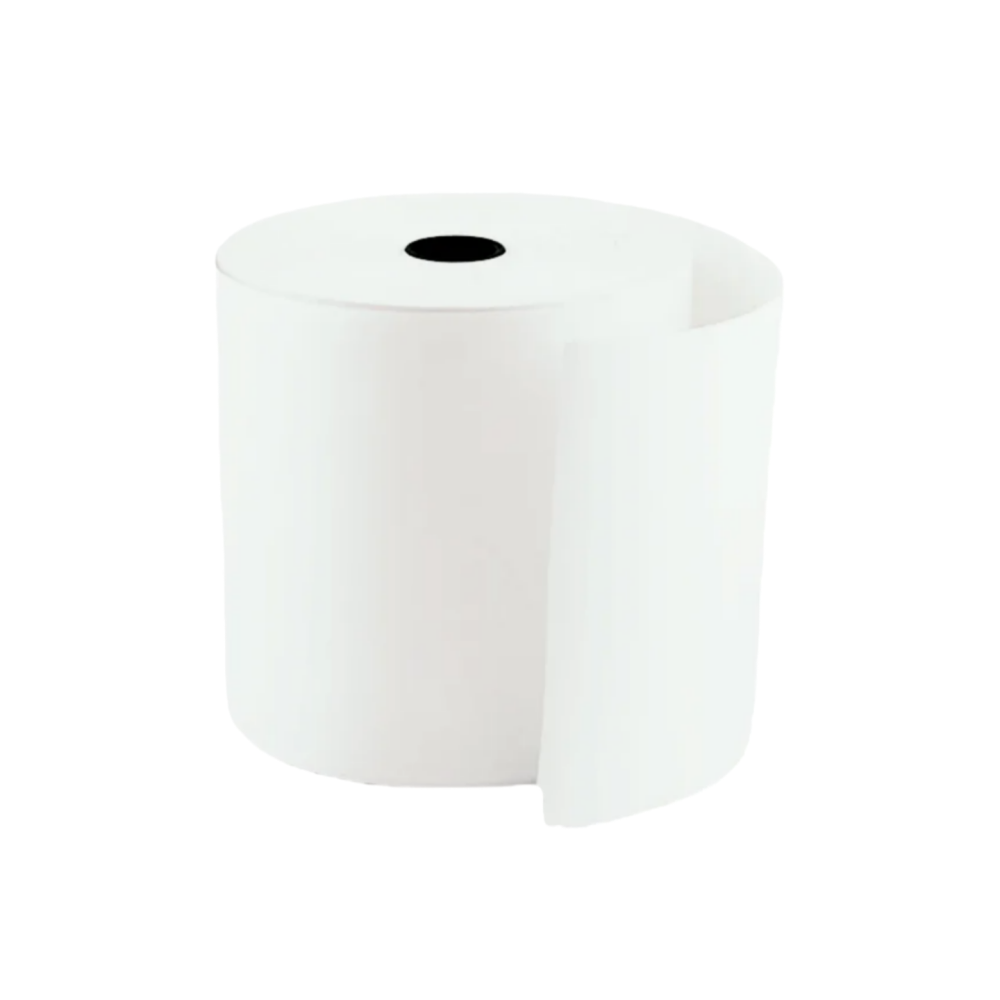
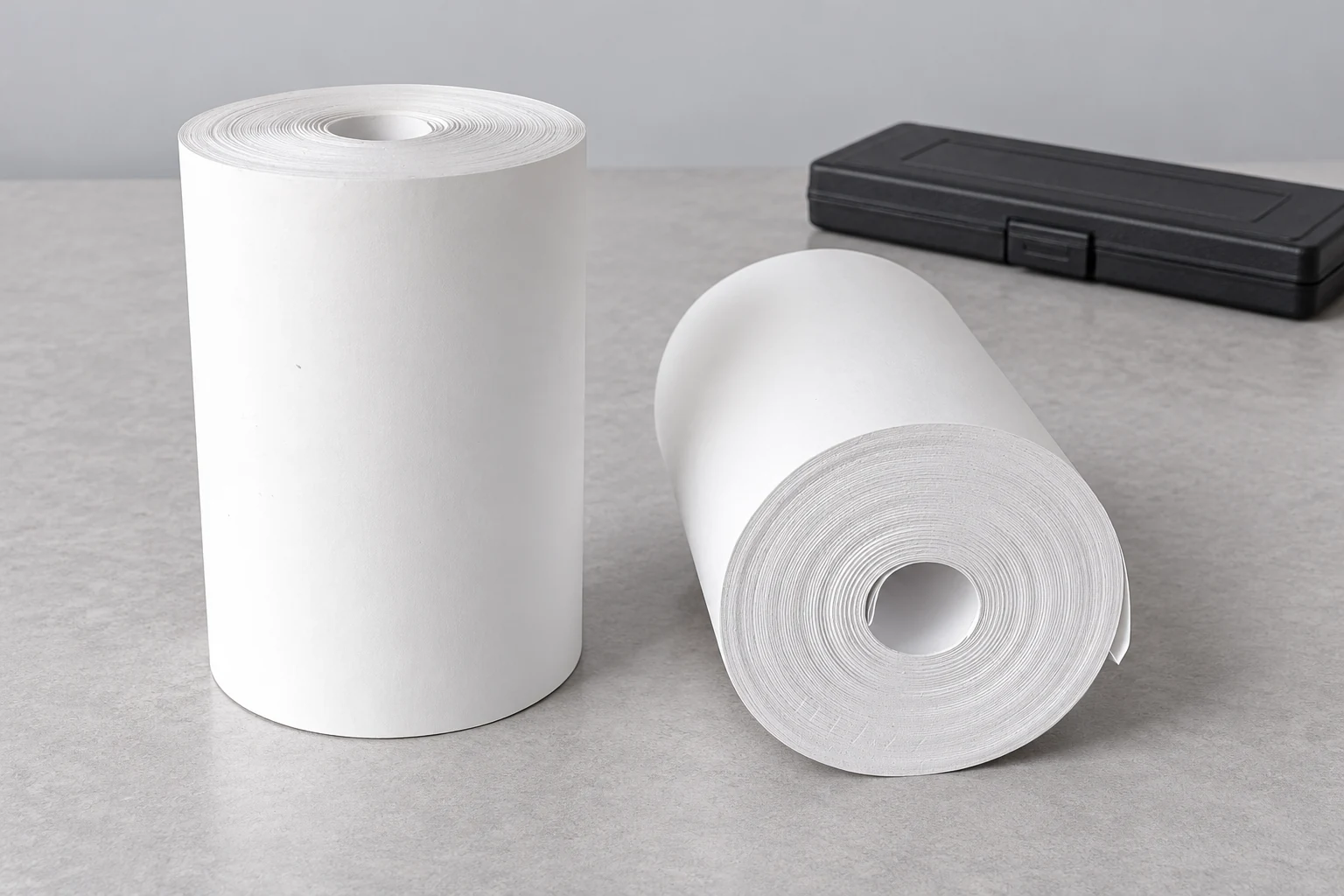
The thermal paper catalogue includes different roll presentations. Product photographs reveal general format and appearance, but they cannot prove the paper grade, coating chemistry or image retention period. Those properties need the relevant product information and a check under the intended conditions.
Thermal Paper Carries The Imaging Surface
Heat Activates A Coating Already On The Paper
In direct thermal printing, selected elements of the print head heat the coated surface to form the image. The paper therefore participates in imaging instead of simply receiving ink from a separate cartridge. A roll of ordinary uncoated paper may feed through the same path without performing that function. Physical fit and imaging compatibility are different questions.
Koehler's explanation of conventional grades describes a base paper, an intermediate coating and a heat-sensitive layer, with protective layers used for some products. That is a useful description of the principle, not a promise that every roll has the same construction. The intended application and the actual grade determine which properties matter most.
The Printed Side Must Meet The Print Head
The printer's loading instructions establish how the active surface should be presented. A roll installed in the wrong orientation can appear to feed normally while leaving little or no useful image. Before changing settings, check the correct media type, winding orientation and loading path against the equipment manual. Avoid using an improvised heat source as a test; it can damage the material and does not represent normal printing.
Roll Fit Involves Several Dimensions At Once
Width, Diameter And Core Describe Different Constraints
Width determines how the paper sits across the feed path and available print area. Outside diameter determines whether the loaded roll fits the compartment. Core dimensions matter when the printer or dispenser locates the roll through its centre. A roll can satisfy one of these constraints and fail another, so a single familiar size label should not replace the complete media requirements.
Winding And Edges Affect Feeding
A roll needs to unwind in a way the printer can accommodate. Uneven edges, damaged layers or a distorted core can interfere with feeding even when the nominal width is correct. Check the physical condition before loading and follow the printer's guidance for supported media. Do not force an oversized roll into a tight compartment and interpret the resulting drag as a print-head fault.
The site pages for a compact receipt-roll format and a plain roll product family illustrate different presentations. Their names are a starting reference; the printer model and full declared dimensions remain the basis for compatibility.
Print Quality Depends On A Paper And Printer Combination
Darkness Alone Is Not The Whole Result
A dark-looking receipt may still have broken characters, smeared areas or a barcode that cannot be read reliably in its intended workflow. Evaluate the actual content: small text, logos, dense blocks and any machine-readable marks used by the application. The goal is a useful record, not the darkest possible setting.
Print speed and energy settings need to remain within the equipment and media guidance. Increasing heat indiscriminately is not a sound response to every faint image. The condition of the print head, cleanliness of the media path and correct loading should be considered as well. Use the approved cleaning procedure and allow hot components to cool as the manufacturer directs.
A Controlled Comparison Is More Informative Than A Single Receipt
When examining a new roll, retain the printer model, settings, paper identification and sample output together. Compare like with like. If the paper and speed are changed at the same time, the result does not isolate the cause. A simple record of the conditions makes later troubleshooting much more useful than a photograph of one unusually good or bad print.
For a checkout application, the relevant result includes legible transaction information and reliable handling at the counter. Other uses may put more weight on exposure, scanning or retention. The application determines the evaluation; a short counter receipt and a long-lived record should not automatically be treated as equivalent.

The Thermal Coating And Converting Process Serve Different Roles
The thermal coating creates the imaging function. Converting turns a larger paper supply into the roll dimensions, winding and packing needed for distribution. Both influence the delivered item, but a photograph of converting equipment does not identify the original coating chemistry. Similarly, a statement about a paper grade does not prove that every finished roll has been cut, wound and protected as intended.
| Part of the system | What it affects | What appearance cannot confirm |
|---|---|---|
| Coated paper grade | Response to heat and resistance under stated conditions | Chemical formulation or a guaranteed retention period |
| Finished roll geometry | Loading, unwinding and usable supply in the device | Exact length from outside diameter alone |
| Printer condition and settings | Formation and consistency of the printed image | Media suitability from one dark sample |
| Storage and handling | Condition of blank stock and printed records | Future readability under unknown exposure |
The factory overview provides context for production and converting. Product-level questions should still be tied to the actual roll and documented grade. General terms such as premium, durable or protective describe an intention unless the associated conditions and evidence are clear.
Do not confuse thermal paper with carbonless copy paper simply because both are used for business records. The site's carbonless paper category concerns a different copying mechanism and use case. A duplicate form and a directly printed receipt may serve related business needs while requiring different materials.
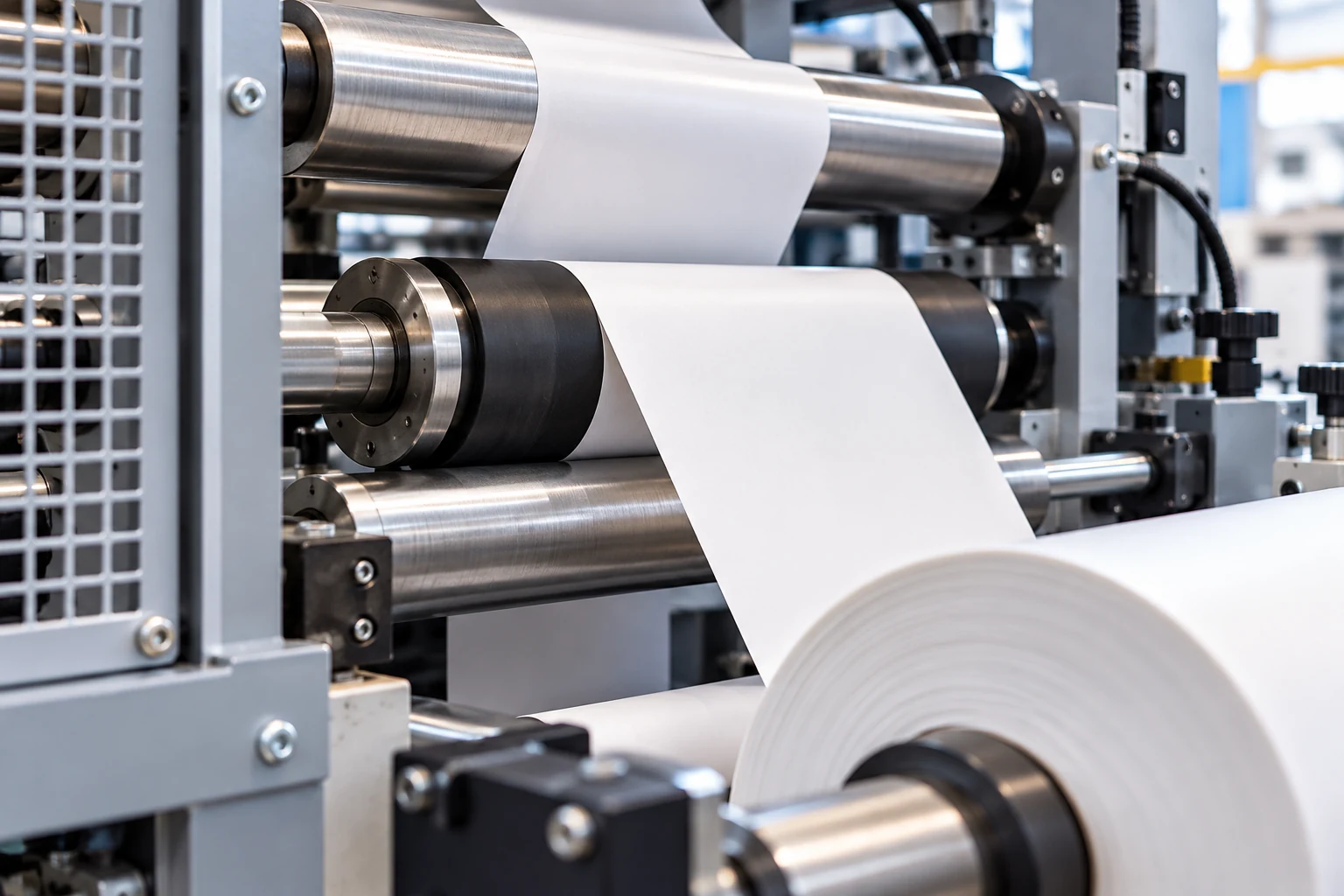
Image Durability Starts With The Expected Environment
Image durability is a conditional property. A receipt kept in a protected file has a different exposure history from one left near a hot window, handled with chemicals or pressed against an unsuitable plastic sleeve. Paper manufacturers' care guidance, including Ricoh's, highlights the influence of heat, light and certain contacting materials. The precise limits depend on the grade and its stated conditions.
Keep blank stock in its appropriate protective packaging and follow the supplier's storage instructions. Use a location that avoids unnecessary heat, sunlight and moisture exposure. When moving cartons between storage and use, protect them from crushing and contamination as well as environmental exposure. A shaded shelf in a picture is only an illustration; the real location must be assessed against the actual requirements.
Printed records need their own plan. If information must be retained for a defined business purpose, establish a suitable recordkeeping process rather than relying on an unspecified receipt life. Any digital copy should follow the organisation's access and retention requirements. A claim that paper is long-lasting is not a substitute for deciding what record must remain available and how that will be checked.
Special coatings may improve resistance in particular conditions, but protective descriptions should not be interpreted as immunity to every exposure. Ask what is protected, which test or stated condition supports the description, and what limitations remain. This is especially relevant when receipts may encounter oils, cleaners, plastic wallets or frequent handling.

A Short Diagnostic Sequence Separates Common Problems
Start with the symptom and keep observations specific. A blank receipt, a faint receipt and a faded older receipt are not the same failure. Record when the issue appears: immediately at printing, intermittently during feeding or after storage. That timing narrows the questions without pretending to diagnose the equipment from a distance.
- Confirm the printing method, approved media and correct loading orientation.
- Check width, outside diameter, core and visible roll condition against the device requirements.
- Review the print path and settings using the equipment manufacturer's procedure.
- Print representative content and retain the settings and paper identification with the sample.
- If the original output was acceptable, examine the later handling and storage history.
Thermal paper is best understood as one part of the recording system. The dimensions allow it to move through the printer, the coating enables imaging, and the environment influences what happens afterwards. Treating these as separate but connected functions avoids trying to solve every issue by changing roll width or turning up print darkness.
Frequently Asked Questions
Is Every White Receipt Roll Thermal Paper?
No. Similar colour and shape do not identify the imaging method. Confirm the media description and the printer requirements. Ordinary paper, direct thermal supplies and media intended for ribbon-based printing can look broadly similar while serving different functions.
Does A Wider Roll Produce A Better Image?
Width determines the available feed and print area, not the quality of the thermal coating or the condition of the printer. The correct width is the one supported by the device. Image quality still depends on compatible media, loading, settings and equipment condition.
Can A Receipt's Retention Period Be Judged From Its Initial Darkness?
No. Initial darkness is an immediate observation. Long-term readability depends on the grade and the conditions after printing. Use the relevant declared properties and a suitable retention process instead of extending one good sample into an unsupported lifetime claim.
Are Protective Grades Suitable For Every Chemical Exposure?
No. Protection has a defined scope. A coating described as resistant to one type of contact may have limitations under another. Review the actual product information and expected exposure, and avoid treating a broad marketing label as an unlimited guarantee.
What Is The Most Useful First Check For A Blank Print?
Confirm that the correct media type is loaded in the orientation specified by the printer manufacturer. Then follow the documented troubleshooting sequence. This separates basic media and loading questions from later checks of settings or equipment condition.
A reliable receipt begins with agreement between the device, the paper and its intended use. Once those three are clear, dimensions, print quality and preservation can be evaluated with evidence that matches the actual task.
 You May Also Like