


 Home
 XBD
 Oct 13,2026

A POS roll manufacturer should demonstrate printer feed compatibility with an identified media grade, the intended printer model and a recorded sample trial.
A roll can fit inside the paper compartment and still be unsuitable for routine checkout work. Feed behaviour, cutting, coating response and handling all matter, and they should be assessed under known conditions. Supplier evaluation becomes more useful when “compatible” is treated as a conclusion supported by a defined test rather than a general description applied to every roll in a catalog.
Start With The Printer And The Proposed Media
Record The Exact Equipment Configuration
Identify the printer model and relevant configuration before requesting samples. Record the paper path, permitted roll dimensions, core arrangement and media requirements from the equipment documentation. Similar-looking printers can have different requirements. A reseller's broad product description is not a substitute for the applicable manual or a confirmation from the equipment manufacturer.
Keep printer settings visible during the review. A sample that looks acceptable at one density or speed setting has not automatically been qualified at another. Record the configuration used in the sample trial and explain whether it represents normal operation. If a site uses several printer models, create a separate result for each model instead of extending one finding to the whole installed fleet.
Name The Material Behind The Roll
When reviewing the thermal paper range, ask the supplier to identify the offered paper grade and the converting specification. Width, maximum diameter and core details describe the finished roll, while the paper stock and coating help define the material being supplied. Media qualification needs both. A purchasing code that changes meaning between quotations makes it difficult to know whether later deliveries match the sample.
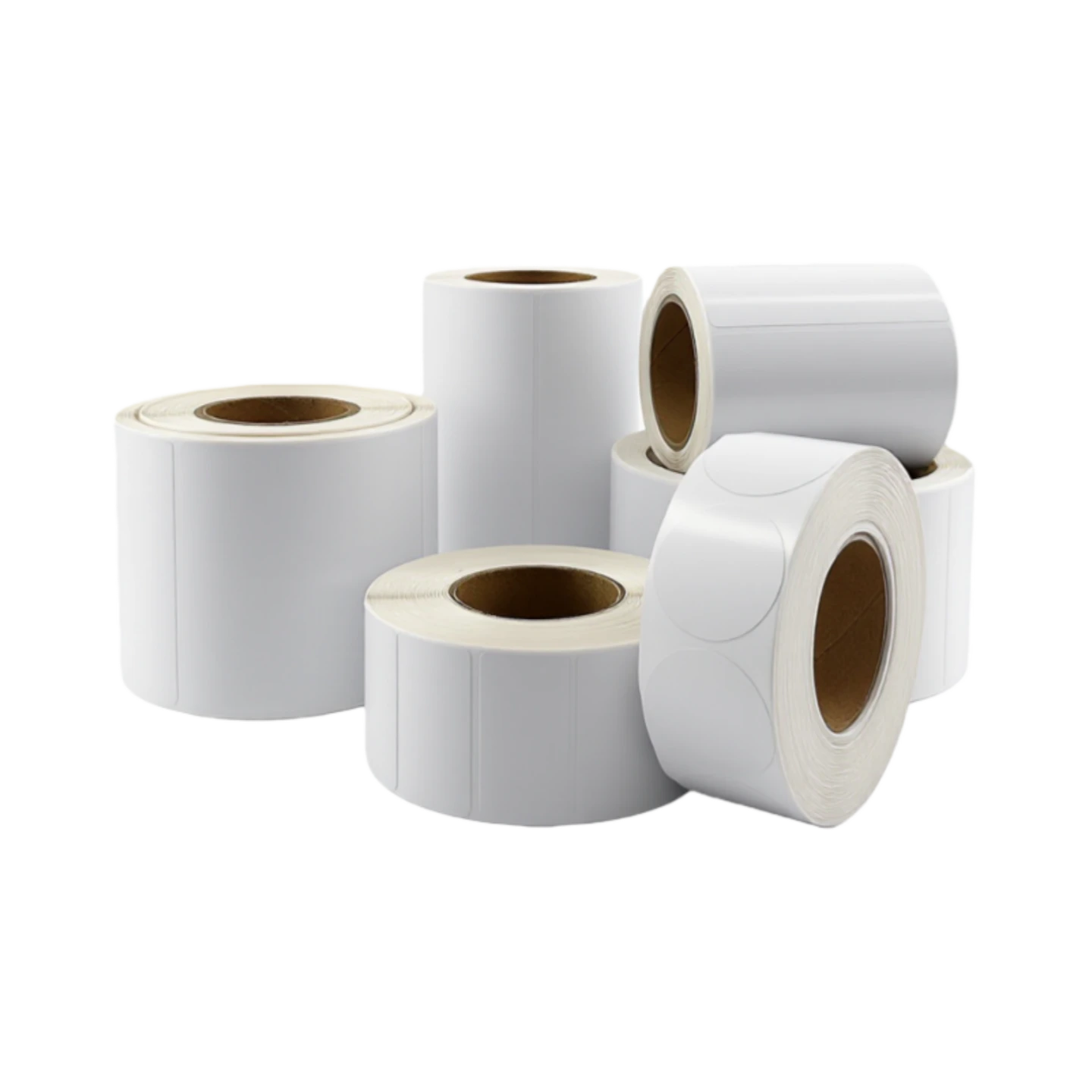
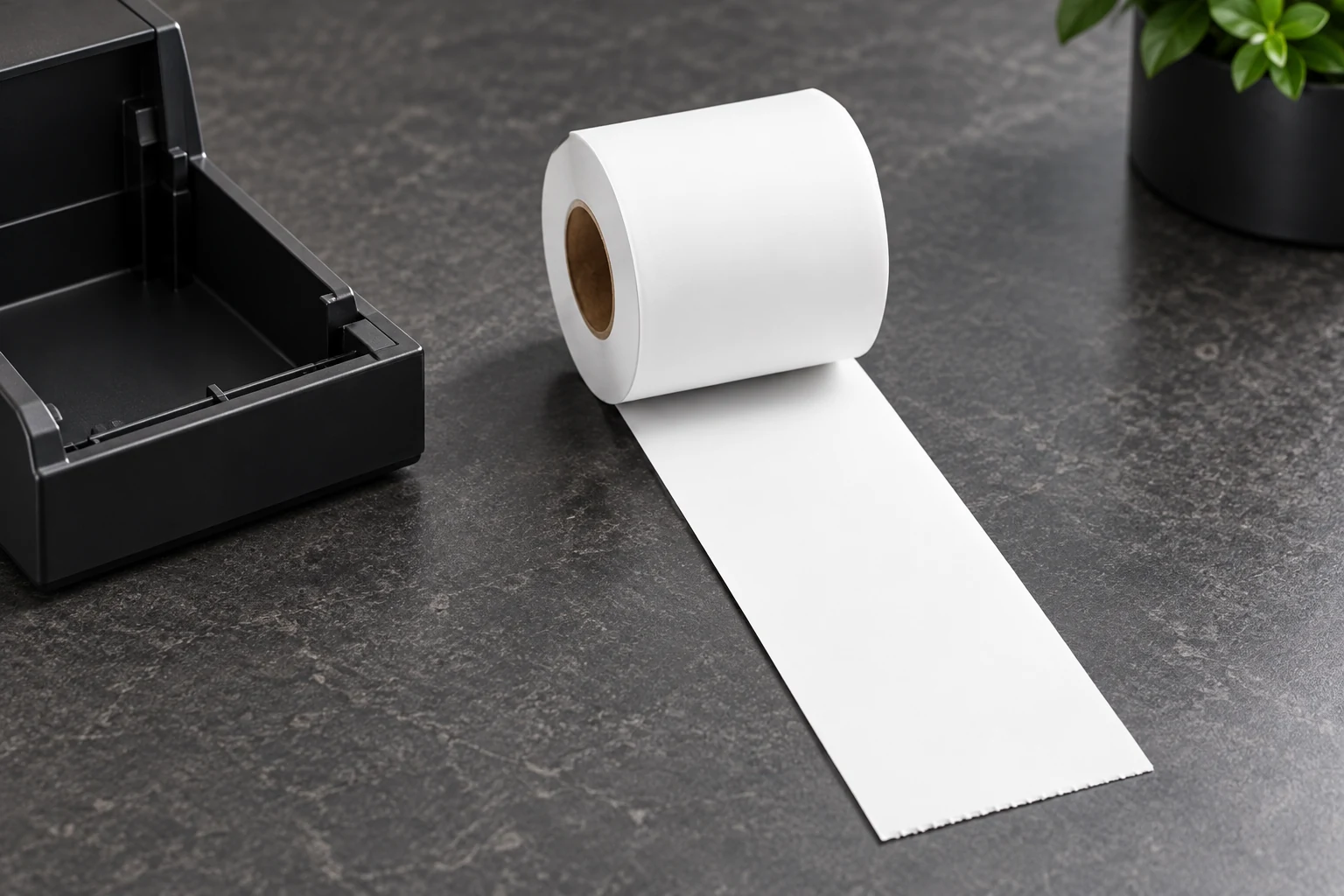
The plain thermal receipt roll example provides a starting point for discussing format. Words such as “universal” in a catalog do not establish compatibility with every printer. Ask which exact grade and dimensions are being proposed for the identified equipment, and record any conditions or exclusions in the quotation.
Agree On A Trial That Can Be Interpreted
The sample trial should answer a small set of agreed questions. Does the roll load correctly? Does it feed and cut under the intended operating conditions? Is the resulting receipt usable for the required task? Define what will be observed and how exceptions will be recorded before running samples. Otherwise a smooth demonstration can hide a disagreement about what “pass” was supposed to mean.
| Trial dimension | Information to record | Reason it matters |
|---|---|---|
| Equipment identity | Printer model, configuration and relevant settings | Keeps findings tied to the tested equipment |
| Sample identity | Paper grade, roll specification and supplier lot | Connects the result to the offered supply |
| Loading and feed | Orientation, observed tracking and interruptions | Distinguishes loading errors from repeatable behaviour |
| Cutting and handling | Cut completion and receipt handling observations | Checks the task performed at the checkout |
| Output review | Test pattern, settings and acceptance criteria | Makes print observations comparable |
| Exceptions | Time, sample position and corrective action | Preserves evidence for supplier investigation |
Use A Baseline Without Assuming It Is Perfect
If an existing media grade is operating satisfactorily, include it as a reference under the same conditions. The comparison can help distinguish a printer issue from a difference associated with the proposed sample. Record the baseline's identity and condition as carefully as the candidate. A worn printer or poorly stored reference roll should not become an unexamined benchmark.
Epson's published certified-media list associates media with particular printer models. That model-specific structure is a useful reminder that qualification has a scope. The list does not certify the host site's products by association. Confirm whether the exact proposed grade is covered by relevant equipment guidance; if not, ask what additional evaluation is needed rather than presenting a generic catalog claim as equivalent evidence.
Inspect Converting Features That Affect Handling
Check Edges, Winding And Roll Condition
Examine the delivered samples before loading them. Record visible edge damage, loose winding, distorted cores or contamination. Measurements should use appropriate tools and the agreed specification, not an estimate from a photograph. Where the sample arrives damaged, preserve the packaging and note its condition so the supplier can separate production, packing and transport questions.
Ask the POS roll manufacturer how the relevant converting checks are controlled and recorded. A buyer does not need to prescribe the supplier's entire process to request evidence that finished rolls are checked against an agreed requirement. Discuss how sampling is performed, what happens to nonconforming material and how an investigation identifies the affected lot.
Keep Observations Distinct From Causes
Paper debris near the feed path, an uneven edge or an interrupted cut is an observation. It is not yet a proven root cause. Record when the issue occurs and whether it repeats with an identified sample under the same settings. Cleaning, adjustment or maintenance should follow the printer manufacturer's instructions; do not improvise changes that could damage equipment or erase useful evidence.
The factory overview can help frame questions about converting and inspection. A machinery photograph does not establish that a particular control is effective. Ask for the record or explanation that connects the operation to the supplied roll. This makes the discussion about the offered material instead of the appearance of the production floor.
Assess Feed And Output In The Intended Task
Observe Loading, Running And The End Of The Roll
Printer feed assessment should include the parts of use that matter to the site: loading, ordinary transactions, repeated cuts and the approach to the end of the roll. Record any point where an operator intervenes. If only the first few receipts are examined, the result should say so. Do not describe that limited observation as evidence for the entire roll or a full operating shift.
A useful sample trial log distinguishes an isolated loading mistake from a repeatable interruption. Note the roll identifier, printer settings, observed symptom and action taken. When practical, preserve representative output and photographs of the condition. Avoid changing several settings at once, because a successful result after multiple changes is difficult to explain or reproduce.
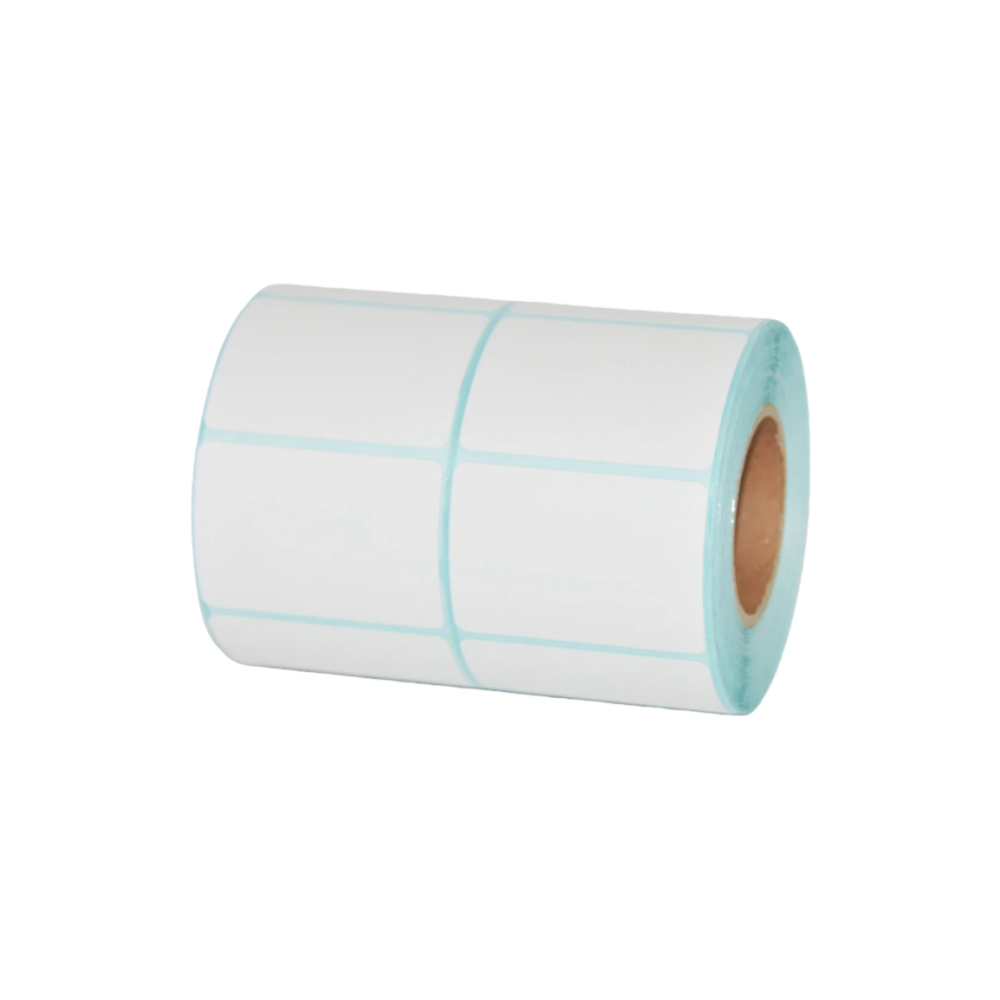
Review the actual receipt task as well as the machine's movement. If the application depends on scanning a barcode, evaluate the real printed output with the intended reader and criteria. A generated image or a marketing photograph cannot demonstrate readability. Likewise, a product-page label such as the waterproof thermal roll listing needs a defined supporting assessment before it is used as an application claim.

Keep the operating environment within the scope of the assessment. A roll evaluated in one location has not automatically been tested under every storage and handling condition elsewhere. Describe the conditions that were actually used, and identify any further trial needed for a materially different setting. This supports a bounded decision without making unsupported promises about all environments.
Connect Qualification To Delivery And Change Control
Preserve The Approved Material Identity
Media qualification has value only if later supply can be connected to the evaluated material. Put the agreed supplier code, paper grade and finished-roll requirements into the purchasing record. Ask how carton labels and dispatch documents identify the lot. If cartons contain more than one lot, the records should make that visible rather than leaving the buyer to infer it from packaging appearance.
Agree on how changes will be communicated. A replacement paper stock, coating, core or converting requirement may affect the basis of the earlier trial. Define what information the supplier should provide before substitution and who decides whether another assessment is needed. Commercial availability is a reason to discuss a change, not a reason to treat a different material as already approved.

The company profile is a starting point for checking the proposed supplier's identity and scope. Confirm the contracting entity, the source of the offered rolls and the party responsible for investigating a complaint. Keep that information with the qualification record so that a future supply issue can be directed to the right owner.
For storage and handling, request instructions applicable to the offered grade and packaging. Keep samples away from conditions identified as unsuitable by the relevant supplier documentation. Record transport or storage concerns before attributing an output change to the printer. The purpose is to preserve enough context for a useful investigation, not to assign a cause without evidence.
Make Compatibility A Documented Decision
A practical result can be accepted for the tested scope, held pending further work or rejected against stated criteria. The decision should identify the printer, media, settings, sample lot and unresolved limitations. Printer feed compatibility is then a reviewable conclusion rather than a slogan. Any extension to another model or materially different operating condition needs its own justification.
Ask the POS roll manufacturer to answer outstanding questions with the relevant record or sample identifier. If the issue concerns repeatability, specify what should be repeated and which variables should remain fixed. If it concerns missing information, identify the document needed. Keeping those requests distinct helps the supplier respond without restarting the entire evaluation.
FAQ
Is A Roll Compatible If It Fits The Compartment?
Physical fit is only one check. The proposed material also needs to meet the applicable equipment requirements and perform the intended feed, cutting and output tasks under the defined conditions. Record the scope of each completed check.
Can One Printer Test Cover Every Model In A Store Group?
Not automatically. Different models or configurations may have different media requirements. Use the equipment documentation to group only genuinely equivalent cases, and retain a clear basis for any decision to extend a result.
What Should A Supplier Send With A Trial Sample?
The sample should have an identifier, proposed paper grade, finished-roll specification and relevant lot information. Include the intended use and any stated limitations. These details allow observations to be connected to the material offered for supply.
Does A Printer Brand's Media List Approve Every Similar Roll?
No. Read the listed material and model scope carefully. A similar appearance, width or marketing description does not establish that another grade has the same status. Ask for evidence tied to the exact offered material.
When Should Media Qualification Be Revisited?
Revisit the assessment when a relevant material, roll specification, printer configuration or operating condition changes, or when repeatable problems challenge the earlier result. The extent of the new work should match the change and the unresolved risk.
When using the supplier contact page, include the printer model, proposed media code and unresolved trial observations so the response can address the actual compatibility question.
 You May Also Like