


 Home
 XBD
 Oct 22,2026

Rolls of thermal paper should be compared by usable length, printer fit and consistent output, because a low price per roll does not establish the amount of acceptable printing it supplies.
A roll is a convenient ordering unit, but not a complete measure of supply. Two cartons can contain the same number of rolls and deliver different amounts of useful printing. Dimensions, paper thickness, winding, printing conditions and handling all affect the result. A practical comparison therefore starts with the service the paper must provide, then checks the physical and operational reasons why some of the purchased material may not become a usable record.
Start With The Printing Task, Then Define The Unit Of Comparison
Describe An Acceptable Record
The useful output might be a receipt that remains readable for its intended purpose, a kitchen order that feeds and cuts reliably, or a transaction record with a scannable code. Define what must be printed and which defects matter. A dark sample with only a short line of text does not establish that a longer, denser real document will perform equally well.
A comparison should keep the document layout stable. Font size, margins, blank feed and duplicate copies change consumption without changing the paper itself. Record the representative layout and printer configuration before estimating demand. Otherwise, a layout change can be mistaken for a shorter roll or an inferior paper grade.
Keep Purchase Units And Operating Units Separate
The purchase record may use rolls or cartons, while the operating record uses metres, transactions or days of service. Connect those units through stated assumptions. Usable roll length is more informative than the roll count alone, but it still needs a representative document length and an allowance for the material that does not become an accepted record.
For an illustrative calculation, a 50-metre usable length divided by a 0.25-metre average receipt length gives 200 receipts before further operating losses. These are example inputs, not specifications of a listed product. If the layout averages 0.30 metres instead, the same length supports fewer receipts. This arithmetic identifies what must be measured; it does not guarantee field yield.
Understand What The Roll Dimensions Do And Do Not Reveal
Fit Is A Gate, Not A Yield Measurement
Width, maximum outside diameter and centre requirements must fit the actual printer. A compatible width alone does not establish an acceptable roll. The holder, cover, feed path and sensor arrangement may impose additional limits. The cash-register paper range is a starting point for discussing formats, not evidence that every listed roll fits every device.
Epson's TM-T20III technical reference treats paper dimensions as part of a specific printer specification. That is the correct level at which to check compatibility: the exact device and its current manual. Dimensions from one model should not be treated as a universal rule for all receipt printers, even when devices look similar.
Diameter Cannot Confirm Length On Its Own
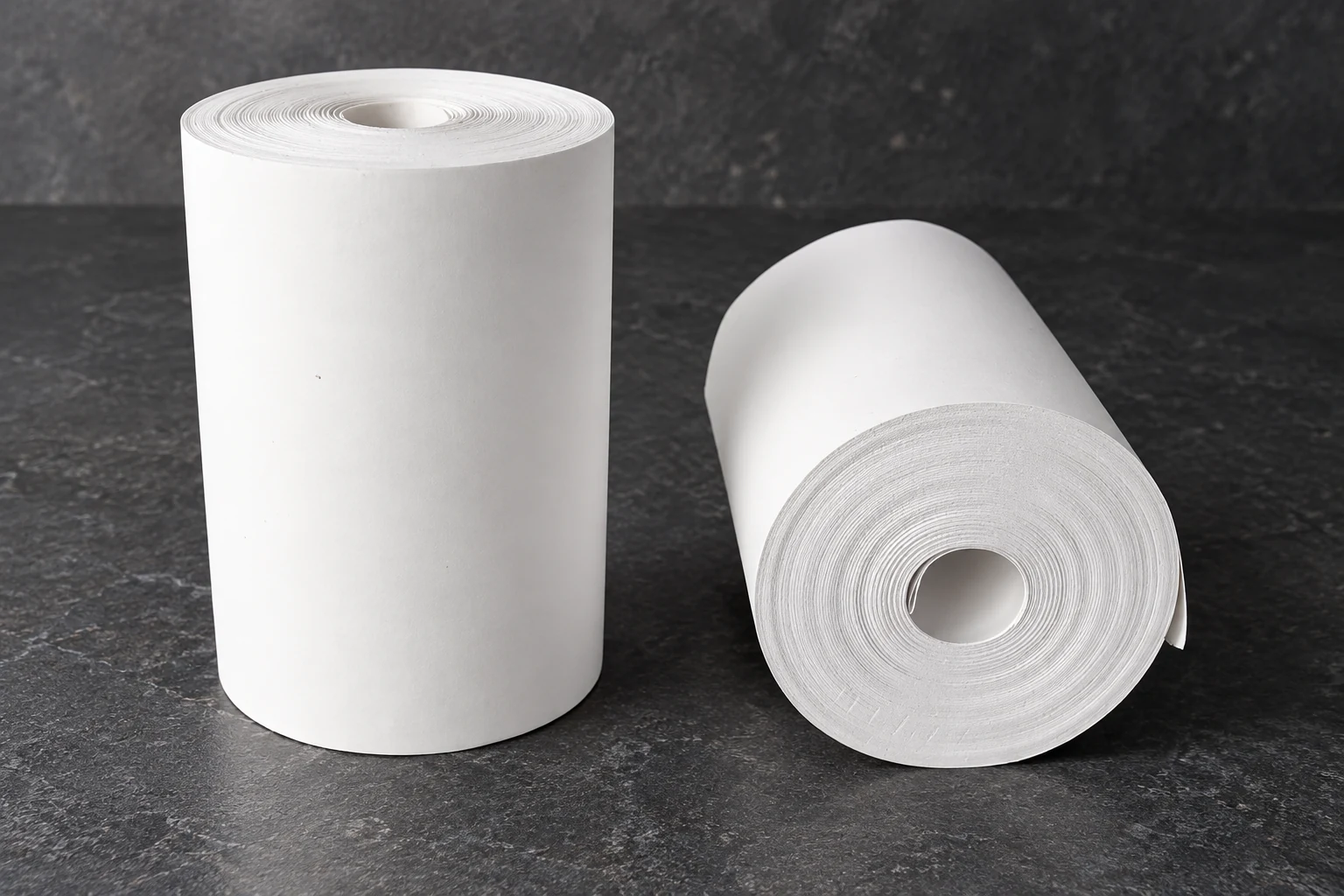
Outside diameter reflects several factors, including the centre geometry, paper thickness and how the material is wound. A larger centre can occupy space that would otherwise hold paper. Changes in thickness also affect the length that fits within a given outside diameter. Comparing only the appearance of full rolls can therefore conceal a meaningful supply difference.
Request a declared length and its measurement basis when length matters to the order. An estimate derived from geometry can be a useful plausibility check, but winding tightness and measurement uncertainty limit its precision. If a comparison depends on a small difference, obtain a direct method and agreed acceptance conditions rather than presenting an approximate calculation as a measured result.
Build A Comparison That Exposes Hidden Assumptions
When assessing rolls of thermal paper, use one comparison sheet for the proposed alternatives. A blank field should remain blank until evidence is supplied. It should not silently receive the value from the most familiar product. This is particularly important when a quotation describes a nominal size without identifying which dimension or tolerance the notation represents.
| Comparison Item | Evidence To Record | Effect On Useful Supply |
|---|---|---|
| Printer compatibility | Exact device, roll limits and loading arrangement | A non-fitting roll provides no acceptable service |
| Declared paper length | Length, method and agreed tolerance | Defines the material available before operating losses |
| Paper grade | Identified material and relevant technical information | Affects the printing conditions and handling requirements |
| Representative output | Same layout and approved printer settings | Makes output comparisons more meaningful |
| End-of-roll behaviour | Sensor response and unusable tail | Identifies material left without a useful record |
| Packing and condition | Roll protection, carton identity and receiving observations | Helps account for transport or storage damage |
| Replenishment unit | Confirmed rolls per pack and packs per carton | Connects purchasing quantities to operating demand |
Compare Cost Against Accepted Output
Price per usable metre can help when length is reliably established and the alternatives meet the same printing requirements. Price per accepted record can be more meaningful when the layout and operating losses are known. Both measures are conditional. A calculation should display its inputs, including the printing task and the basis for any loss allowance.
Do not transfer a loss percentage from a different printer or operating environment without evidence. Instead, record the causes observed in a small controlled trial: loading waste, rejected print, damaged edges, cutting problems or remaining tail. These categories suggest different remedies. A single combined percentage can hide an easily corrected operating issue.

Run A Controlled Acceptance Trial
Keep The Paper Comparison Fair
Use the actual printer, an approved configuration and the same document file for each sample. Record the printer identity, settings, sample lot and test conditions. If a setting must change within the manufacturer's permitted range, document it rather than quietly selecting the most flattering result for each roll. Receipt print quality can only be compared sensibly when these conditions are visible.
Check feeding, cutting, readability and any code scanning required by the real task. A simple visual inspection can identify defects, but it should not be described as a laboratory measurement of coating sensitivity or chemical composition. If those properties affect the order, request suitable material evidence and a defined test approach.
Separate Material Defects From Device Problems
Poor output can have several causes. A dirty or worn print head, an incorrect loading direction or an unsuitable setting may make sound paper appear defective. Conversely, a successful print from one selected sample does not establish that a whole delivery is consistent. Follow the printer's maintenance and loading instructions, and record what changes when a known suitable roll is used under the same conditions.
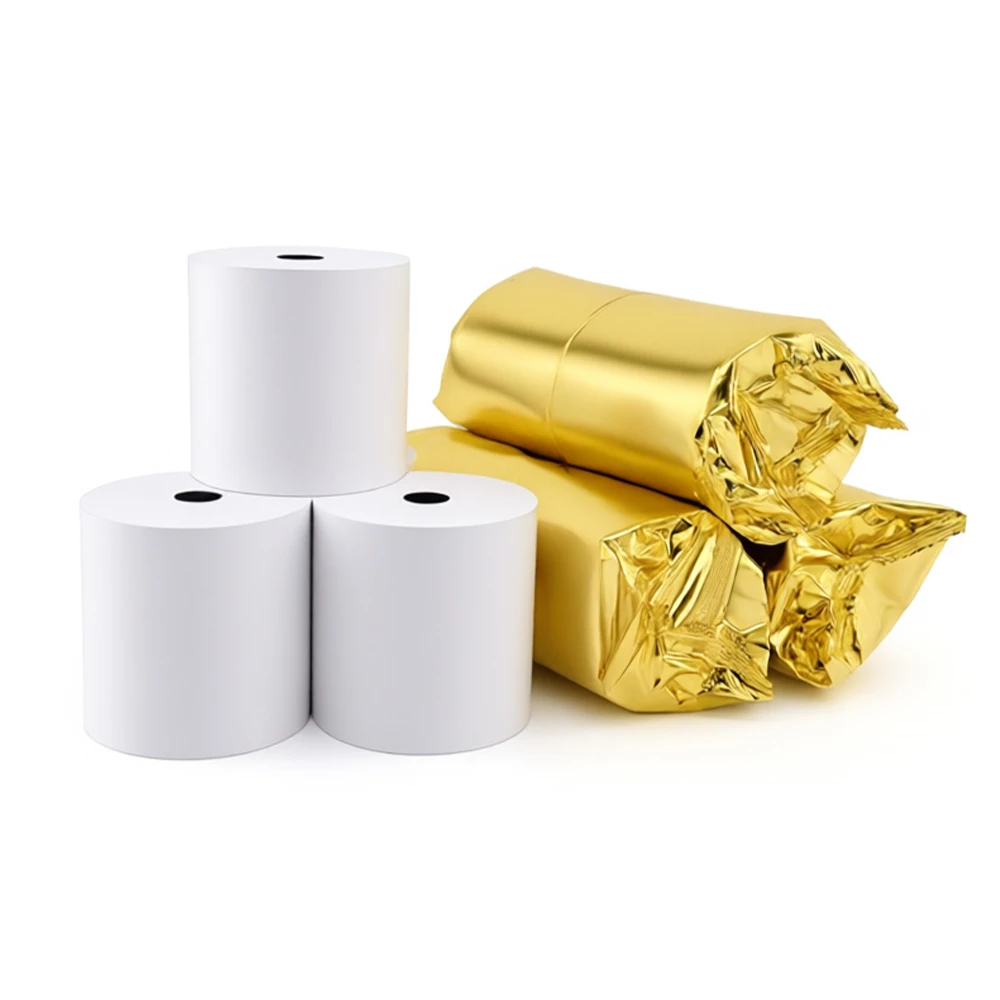
The host's retail application information supplies useful context for typical receipt tasks. It does not replace device-specific acceptance. A trial should represent the actual use closely enough to reveal feeding or handling issues before a larger order, while making clear that a limited sample cannot prove every future batch.
Keep an approved reference sample and its conditions where practical. Label it so that it cannot be confused with a new incoming lot. If the reference has aged or been stored poorly, it may no longer be a reliable comparator. Its role is to support an agreed assessment, not to become an indefinite standard without review.
Protect The Length That Has Been Purchased
Make Storage Conditions Part Of The Supply Decision
Paper storage affects whether purchased material remains useful. Heat, moisture, strong light and unsuitable chemical contact can change the behaviour or appearance of thermal media. Koehler's published durability guidance identifies these influences for its own products and conditions. Its stated retention periods should not be transferred to unrelated grades without matching evidence.
Ask for handling guidance tied to the proposed paper and packaging. Record where cartons will be held, how opened packs are protected and whether stock is exposed to avoidable environmental stress. A low purchase price loses meaning if a significant portion of the stock becomes unsuitable before use. The storage plan should match the expected turnover of the order.

At receiving, check carton condition and lot identification before mixing the delivery with existing stock. Note crushed corners, damp packaging or loose rolls separately from printing defects. Preserve enough information to connect an issue with the affected delivery. A photograph without a lot or carton reference may show damage but leave its extent difficult to establish.
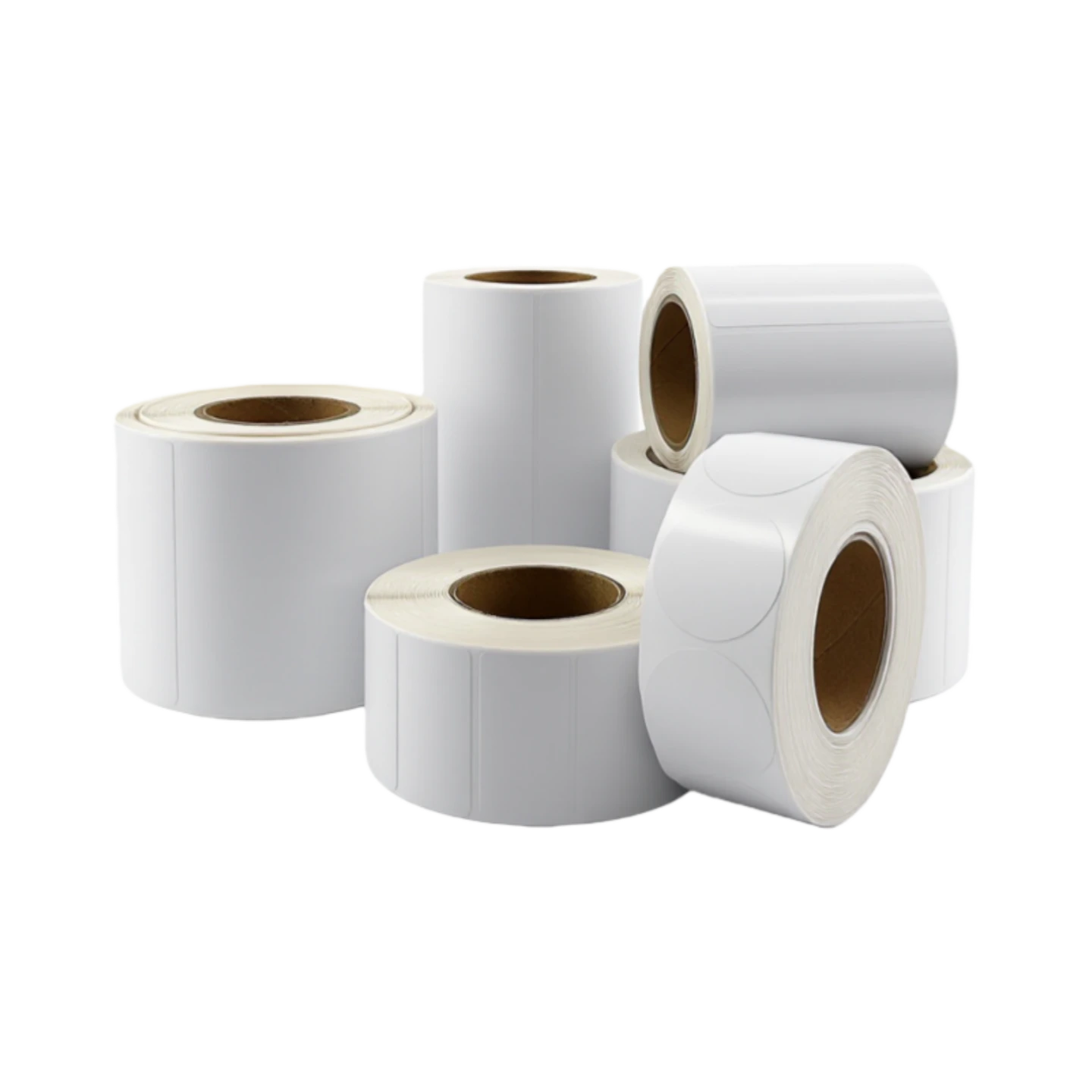
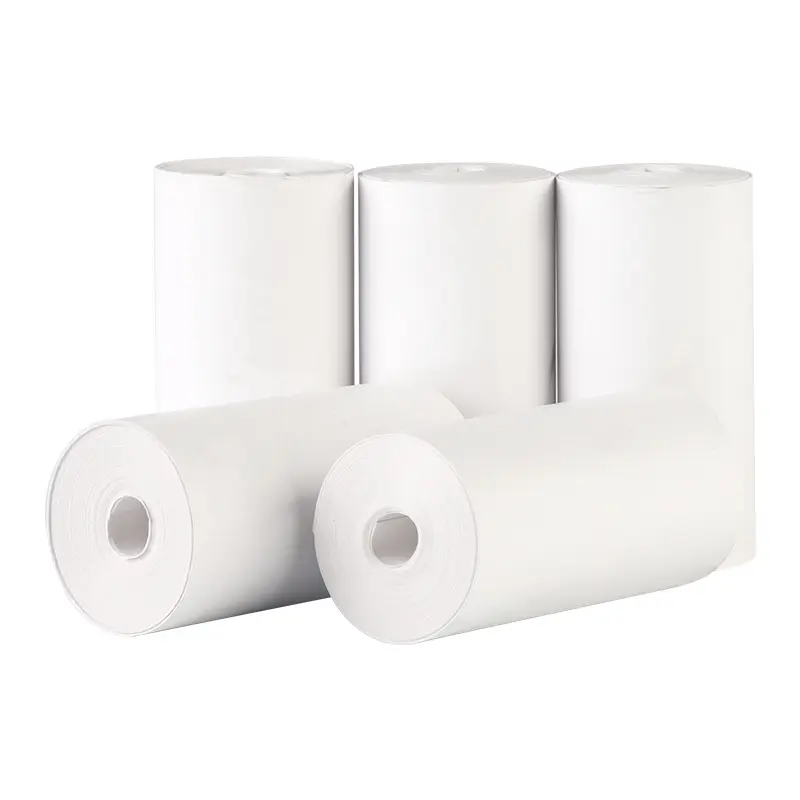
The factory overview can support questions about converting and packing arrangements. Specific roll protection, labelling, carton quantities and inspection responsibilities still need agreement for the selected order. No generic factory image confirms that those arrangements were applied to a particular batch.
Translate The Trial Into A Replenishment Decision
A replenishment plan should use an observed consumption range rather than a single optimistic number. Average record length can change with product mix, return transactions or mandatory information. Seasonal demand can change the rate of use without changing the roll. Separate those operational changes from changes in the paper specification.
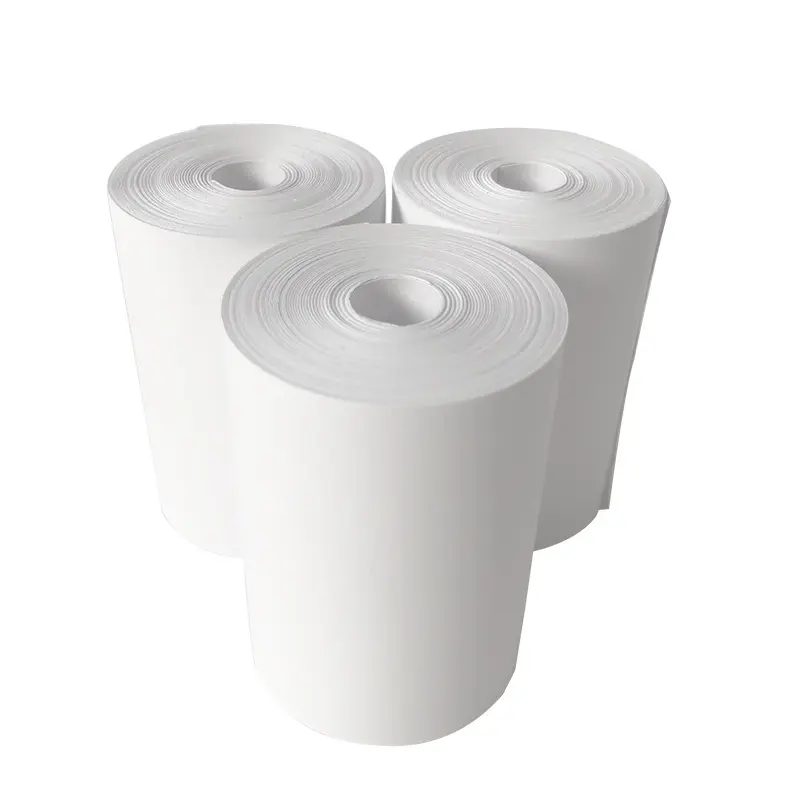
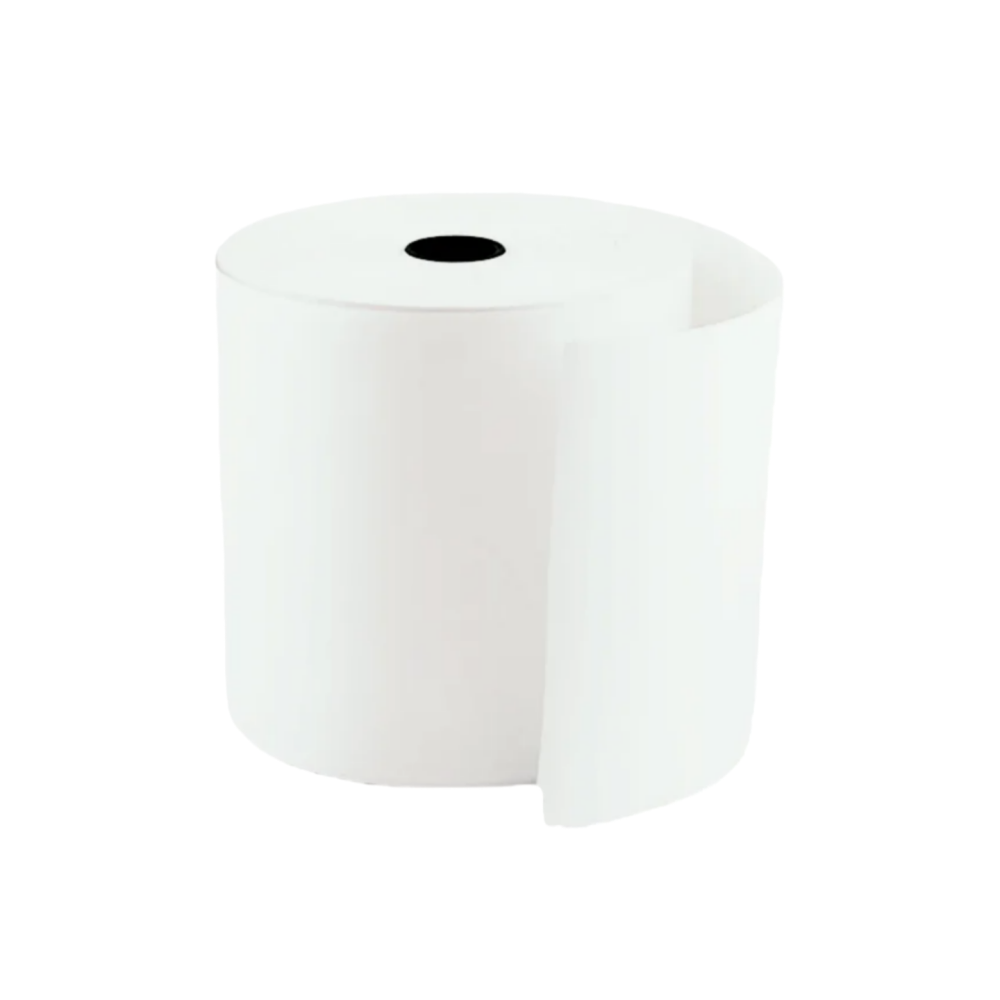
The bulk POS roll listing provides a route to discuss the proposed format. Before confirming a large quantity, connect the quotation to the accepted sample, declared length, agreed packing unit and relevant grade information. Avoid treating the word “bulk” as evidence of a particular carton size, minimum order or delivery schedule.

Rolls of thermal paper become easier to compare when the same chain is preserved: defined task, compatible format, verified supply, acceptable output and suitable handling. If one link is uncertain, identify it before interpreting the price. An honest range based on known conditions is more useful than a precise yield figure assembled from assumptions.
The thermal paper catalogue is a starting point for format enquiries; confirm the roll construction and usable length for the actual order.
Frequently Asked Questions
Does A Bigger Roll Always Contain More Paper?
No. The centre, thickness and winding affect the relationship between diameter and length. Compare declared length with a clear measurement basis, while confirming that the outside diameter remains within the printer's limit.
Can Price Per Roll Be Used As The Only Comparison?
Only if the alternatives have already been shown to represent equivalent useful supply under the same conditions. Otherwise, differences in length, compatibility, output or handling can make the price comparison misleading.
Does A Dark Print Prove Long-Term Readability?
A dark initial print answers only part of the question. Grade-specific evidence and the intended storage conditions matter. A short visual trial should not be presented as proof of a multi-year retention period.
Should A New Delivery Be Mixed With Existing Stock Immediately?
It is better to retain the delivery identity through receiving checks and record any concerns before stock is mixed. The exact receiving process should fit the operation and the agreed supply conditions.
The product enquiry route can be used to confirm a sample's roll dimensions, declared length, grade and packing details against the intended printer before replenishment quantities are fixed.
 You May Also Like