


 Home
 XBD
 Oct 22,2026

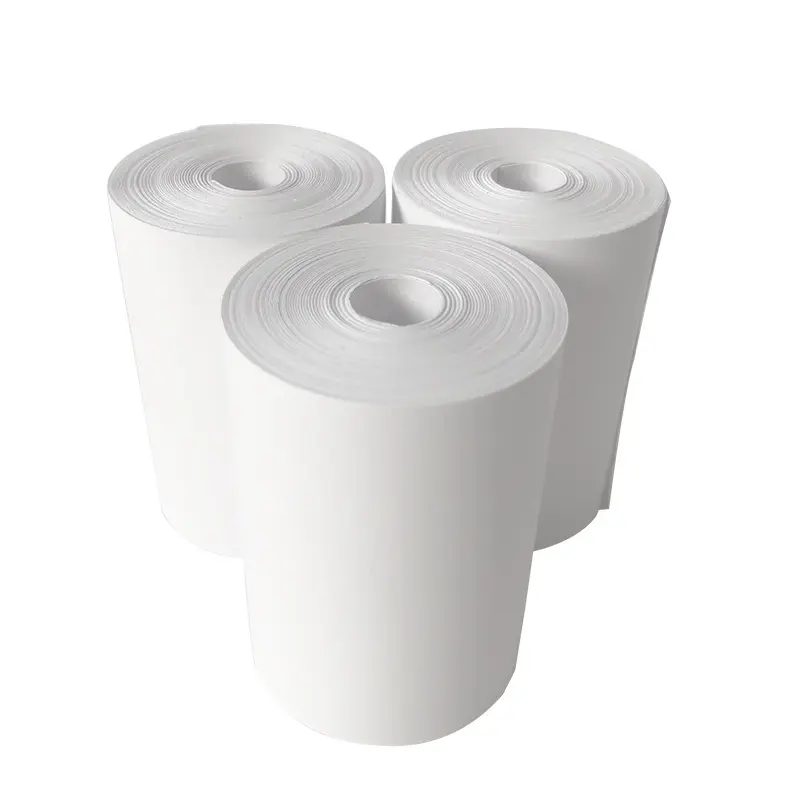
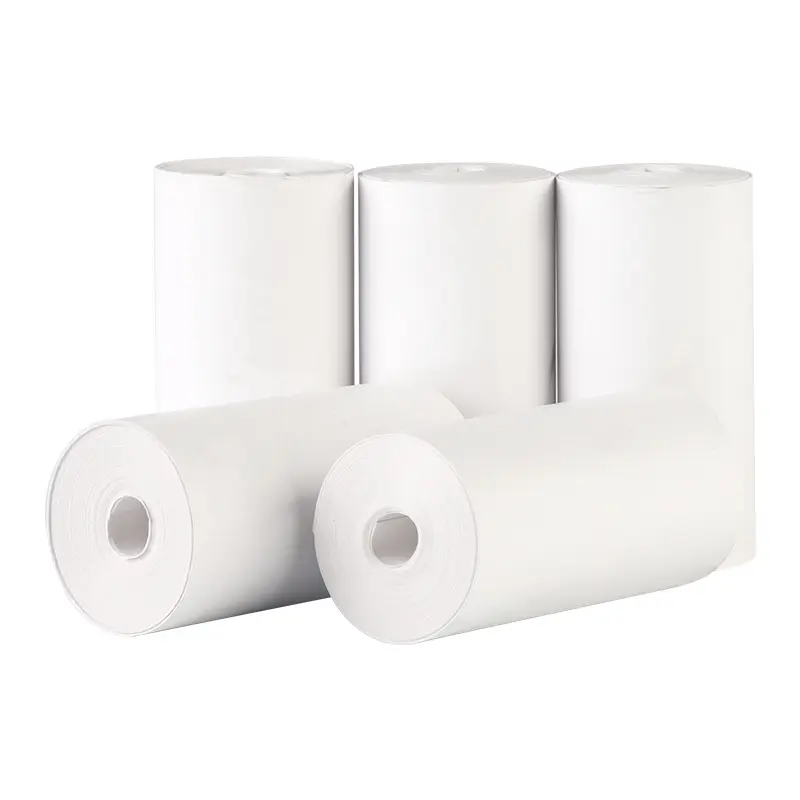
Choosing roll thermal paper means matching the printer and protecting the coating through delivery, storage and daily handling.
A receipt roll can fit its compartment yet arrive at the checkout with a damaged edge, a marked surface or an uncertain storage history. The purchase decision therefore extends beyond width and outside diameter. Buyers need to know what the roll will encounter before printing, which conditions the supplier supports, and how a receiving team can distinguish a paper problem from a printer problem. A low unit price provides little guidance when the first unexplained print issue triggers an argument between the warehouse, the shop and the consumables supplier.
Start With The Route From Carton To Printer
List Exposures Before Choosing A Grade
Map the actual route: supplier packing area, transport, receiving dock, reserve stock, shop shelf and printer. At each stage, record exposure to heat, moisture, sunlight, dust and nearby chemicals. Include ordinary activities such as cleaning the counter or leaving an open carton near a window. This route map makes storage conditions a purchasing requirement rather than a sentence on a delivery note. It also shows where the buyer controls the risk and where a supplier needs to provide packaging or handling guidance.
Do not convert a description such as premium, heavy duty or long life into a measurable requirement without clarification. Ask which paper grade is offered, what protective features are documented, and whether the recommendation applies to blank stock, printed records or both. A retail application may involve frequent roll changes and receipts handled immediately after printing; another application may require records to remain readable for a longer defined period. Those uses need different acceptance questions even when the printer takes the same roll size.
Separate Paper Requirements From Printer Settings
Keep the printer model and its approved media requirements beside the proposed paper specification. Width, maximum roll diameter, core arrangement and loading direction all matter, but they do not establish chemical resistance or record retention. Follow the relevant printer manual when checking supported media and settings. A guide for one machine should not be applied to another model merely because both use direct thermal printing.
Understand What A Coating Claim Actually Covers
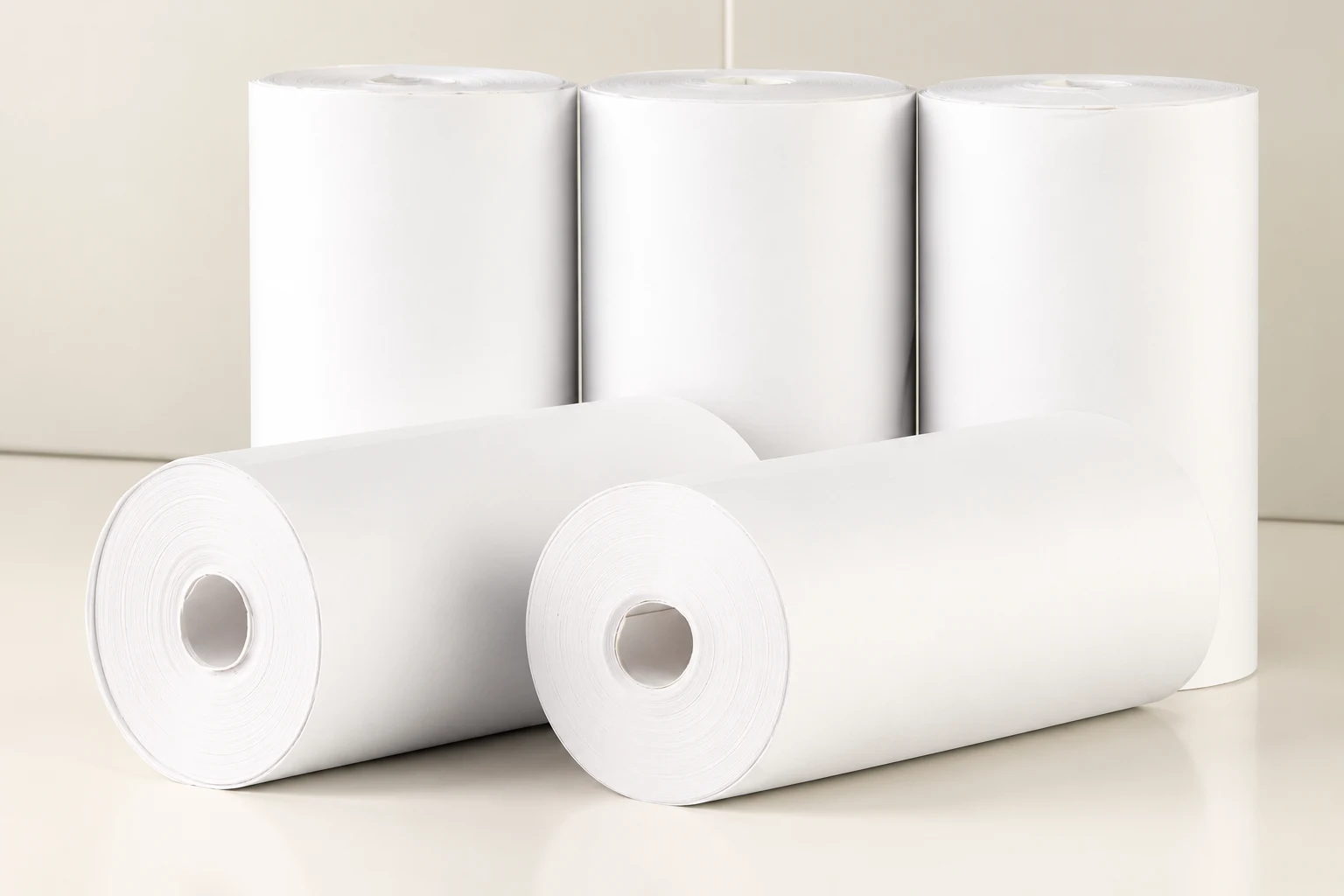
The thermal coating creates the visible image when the paper is used with a compatible direct thermal print system. Surface treatments and paper construction vary by grade. A smooth or bright-looking roll is not proof of a particular resistance level, chemistry claim or archival life. Ask for documentation tied to the quoted grade and keep the document revision with the sample. Photographs and generic catalog descriptions cannot replace that link.
Manufacturer guidance illustrates why conditions matter. Koehler's durability guidance for its thermal papers distinguishes storage and exposure conditions and identifies influences such as heat, strong light, oils, solvents and certain plastics. That guidance is a useful prompt for questions, but its stated lifetimes are not a warranty for another supplier's paper. Request the offered grade's own handling instructions and any retention claim in writing.
| Question | Evidence To Request | Decision It Supports |
|---|---|---|
| Will the roll fit and feed? | Dimensions, tolerances, core details and printer compatibility information | Mechanical acceptance on the intended device |
| What can contact the paper? | Grade-specific thermal coating and handling guidance | Packaging, storage and counter practices |
| How is readability assessed? | Agreed print sample, settings and comparison method | Consistent print contrast checks |
| What retention is required? | Defined use conditions and the supplier's applicable statement | Whether the grade suits the record's intended life |
| Can an issue be traced? | Lot identifier, carton label and retained sample procedure | Investigation without mixing unrelated deliveries |
When comparing cash register paper options, keep unanswered questions visible. A blank field means evidence is still missing; it should not become an assumed pass. Ask whether samples represent the actual quoted grade and packing arrangement. Otherwise a successful trial can be followed by a different production material with no clear basis for comparison.
Build A Receiving Check That Preserves Evidence
Inspect Cartons Before Opening Everything
Record the delivery date, lot marking and visible carton condition before moving stock into normal shelves. Photograph wet areas, crushed corners or opened wrapping in context, with identifiers that connect them to the shipment. Avoid unpacking the entire delivery before deciding what information matters. Once damaged and undamaged rolls are mixed, it becomes harder to determine whether an issue followed transport, storage or a particular carton.
Set a documented sampling approach appropriate to the order and the agreed purchasing terms. This article does not prescribe a universal sample count. The useful principle is consistency: identify which cartons and rolls were checked, what was observed, and why the lot was accepted, held or queried. Do not call a visual check a laboratory test. Winding alignment, visible dirt, crushed edges and loose wrapping are observations; coating composition requires different evidence.
Keep A Reference Roll And A Repeatable Print
Retain an identified sample under the recommended storage conditions. Print a repeatable document containing ordinary text, dense areas and the actual barcode format if the application uses one. Record the test date and printer settings. Evaluate readability against the agreed acceptance method and verify scanning on the intended reader where applicable. A dark-looking barcode is not automatically a readable barcode.
If a concern appears, compare the suspect roll with the retained reference on the same prepared printer. Follow the device manufacturer's cleaning and maintenance guidance before interpreting the result. A comparison can help isolate an issue, but it does not by itself prove root cause. Keep both printouts and the corresponding roll identifiers so the supplier can review evidence rather than an untraceable photograph.

Make Storage Rules Practical For The People Using Them
Control The Shelf And The Open Carton
Choose a storage location using the grade-specific instructions, then check whether normal operations preserve those conditions. Avoid assuming that an air-conditioned office proves the warehouse is suitable. Stock near a roof, loading door or hot equipment can experience different conditions. Keep reserve cartons identifiable, protect them from contamination, and define how opened cartons are closed or covered between uses.
Account For Contact After Printing
Receipt handling continues after the paper exits the machine. Consider folders, sleeves, adhesive tapes, cleaning products and surfaces on which records are placed. If the printed record has a defined retention purpose, evaluate the real handling arrangement against the paper supplier's guidance. Do not assume that a receipt which looks clear on day one will retain the same appearance in every wallet, drawer or plastic sleeve.

Compare Offers On A Common Trial Basis
A useful comparison of bulk POS rolls starts with the same printer, test document and handling route. Label each sample without losing the supplier and grade reference. Record the sample's condition on arrival and use the same acceptance method for each. This makes differences reviewable and prevents the most attractive packaging from becoming the accidental selection criterion.
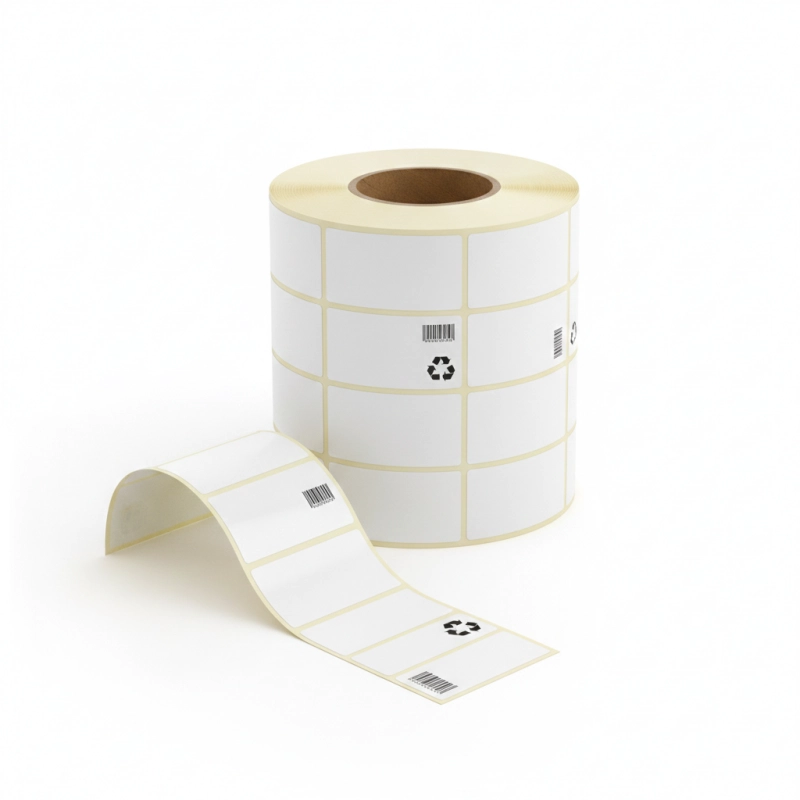
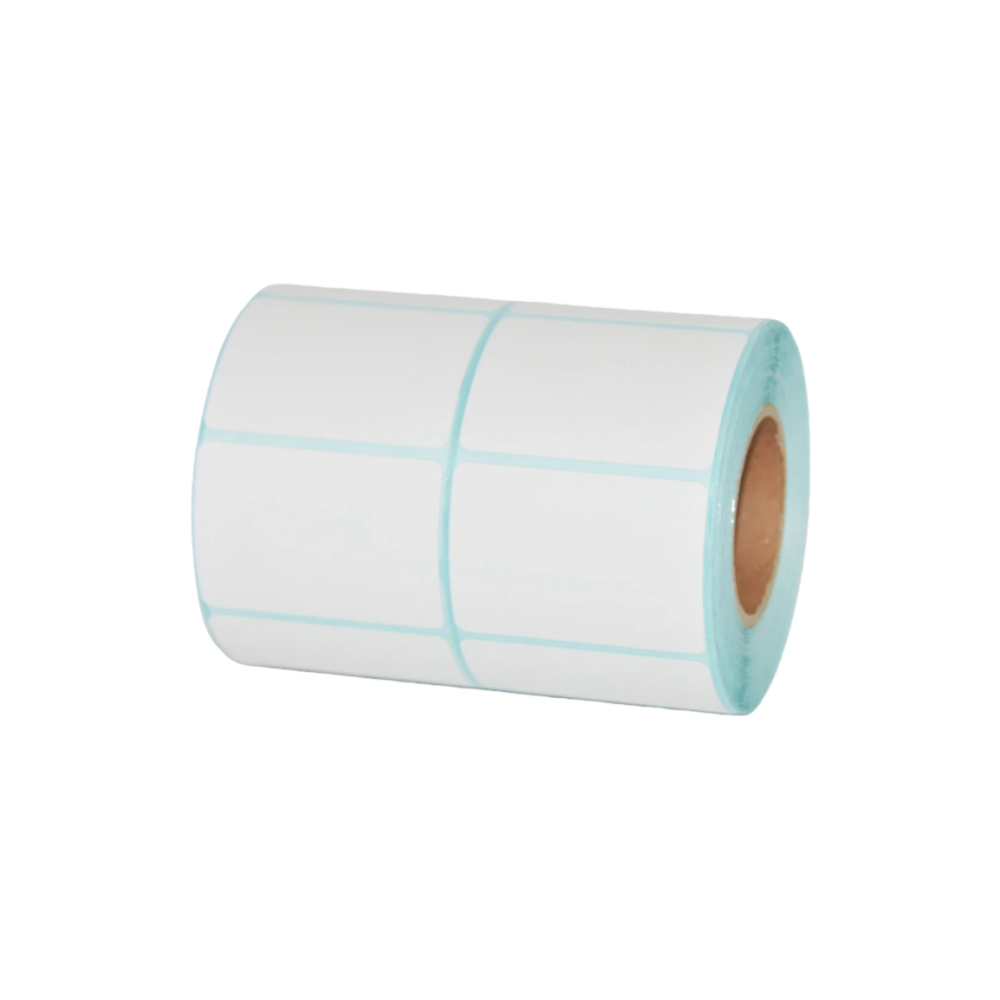
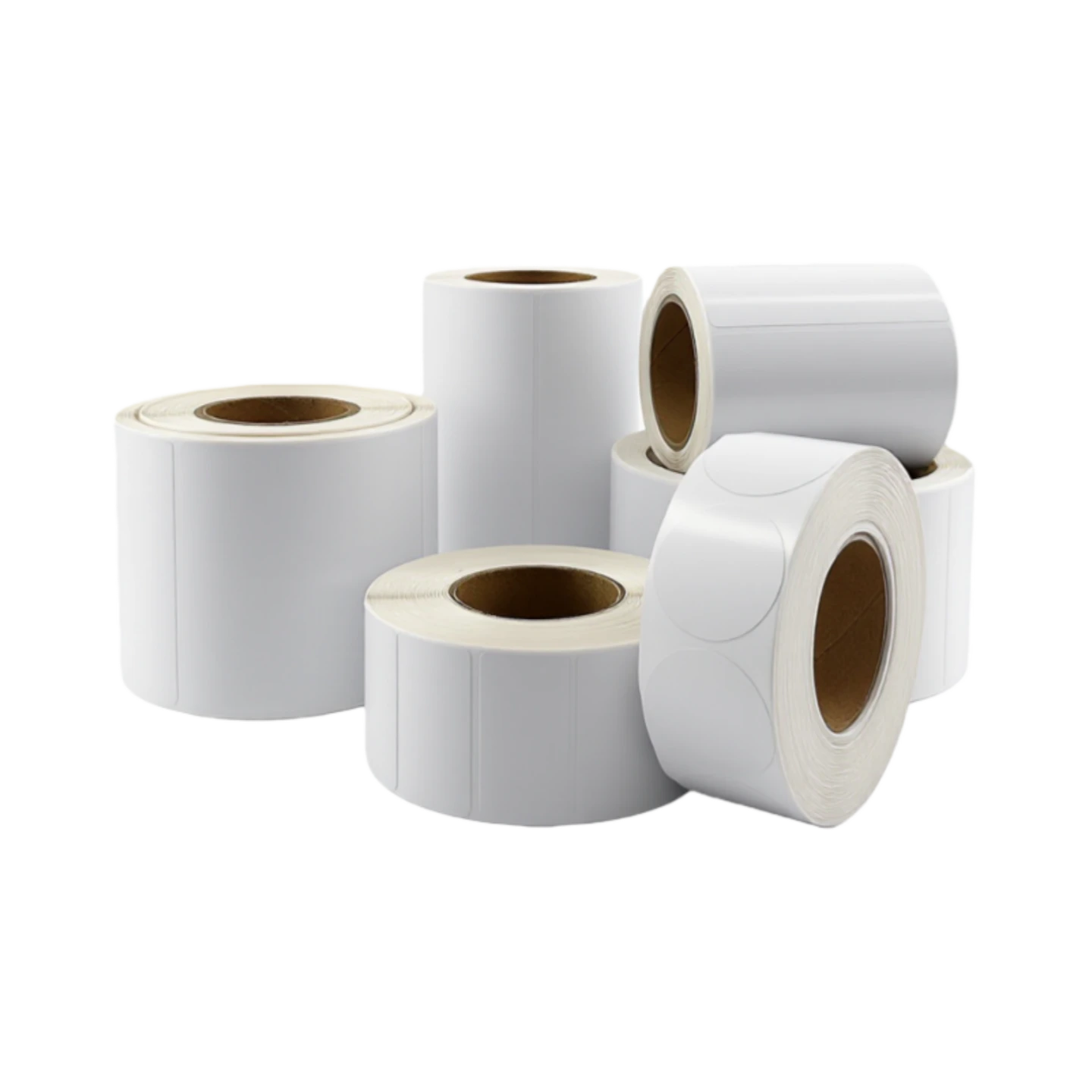
For roll thermal paper, compare the complete offered arrangement: grade, roll geometry, usable packing quantity, protective wrapping, lot identification and supporting documents. Keep commercial terms alongside these facts, but avoid reducing the decision to a price per carton when carton contents or specifications differ. Any calculation should use the supplier's confirmed quantities and your actual requirements rather than a product photograph.
Review the proposed manufacturing and supply context together with the documents for the specific offer. General factory information can explain the supplier's operations, but it does not certify an individual lot. Confirm which specification will govern a repeat order and how a substitution or grade change will be communicated before shipment.

Close The Gap Between Purchasing And Daily Use
Before accepting the first routine delivery, assign ownership for receiving, storage, roll loading and issue reporting. Keep the approved paper specification, printer reference and trial results in a place these owners can access. A purchasing file that cannot reach the checkout team leaves the most important handling decisions to memory.
Use the following handover sequence to make the specification operational:
- Confirm the quoted grade and mechanical dimensions against the approved sample.
- Record the applicable storage conditions and identify the actual storage location.
- Provide a short loading and handling note aligned with the printer manual.
- Retain a lot reference and comparison print under defined conditions.
- Route unresolved observations through the supplier contact channel with identifiers and evidence.
Repeat the relevant trial when the paper grade, supplier arrangement, printer model or handling route changes. A prior approval is evidence about a defined combination, not every future combination. This approach gives print contrast problems a clear investigation path and keeps preventable handling damage from being mistaken for a mysterious printing fault.
Frequently Asked Questions
Can A Roll Fit Correctly And Still Be Unsuitable?
Yes. Mechanical fit does not establish the offered grade's resistance, storage guidance or intended record life. Check dimensions and device compatibility first, then review the documented thermal coating characteristics and the conditions the paper will encounter.
Does A Darker Print Always Mean Better Paper?
No. The visible result depends on the paper and the printer configuration, among other factors. Compare samples under controlled conditions and use an agreed readability or scanning check. Do not change several settings and materials together and then attribute the result to paper alone.
Should An Entire Delivery Be Rejected After One Marked Roll?
A single observation should trigger the agreed inspection and issue procedure, not an unsupported conclusion about every carton. Identify the affected sample, preserve packaging evidence and review the delivery under the purchasing agreement and sampling plan.
Can Another Manufacturer's Retention Statement Be Used?
No. It may help frame questions, but a retention statement belongs to its specified product and conditions. Obtain the offered grade's documentation and explain the intended handling and record use before relying on a particular duration.
What Should A Repeat Order For Roll Thermal Paper Preserve?
Preserve the approved grade, dimensions, packing arrangement, lot traceability and applicable handling instructions. Record any agreed change before shipment, then repeat the checks affected by that change so the purchasing decision remains connected to daily use.
 You May Also Like