


 Home
 XBD
 Oct 20,2026

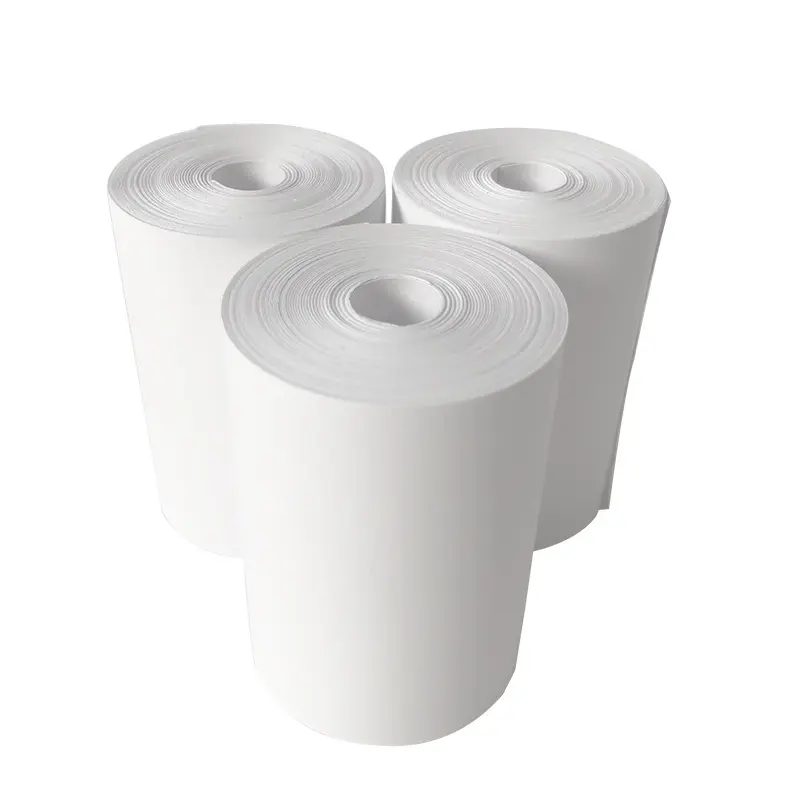
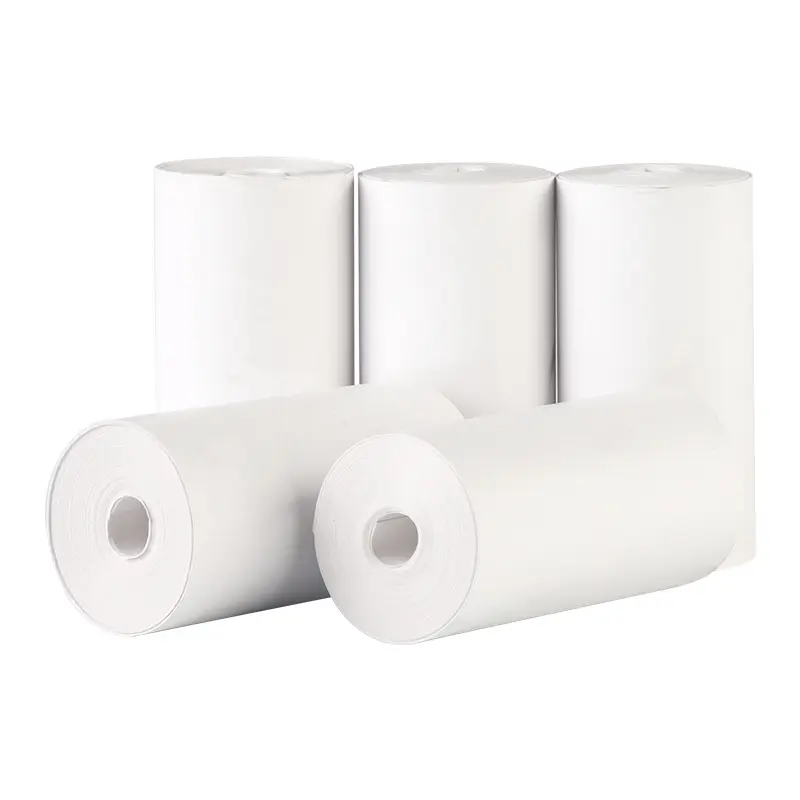
Thermal paper rolls need a compatible roll width, overall roll diameter and centre dimensions before a printer-fit decision is complete.
A roll can slide into a printer and still be the wrong consumable. It may be too wide for the paper path, too large for the compartment or unsuitable for the way the holder supports its centre. These are separate checks. A familiar size name, a product photograph or a claim that a roll suits point-of-sale systems cannot replace the requirements for the actual printer model.
For a Malaysian retailer or distributor supplying several branches, the practical challenge is keeping these checks attached to each machine. This article explains a three-dimension selection method, then connects physical fit to print testing, receiving inspection and repeat orders. It uses general purchasing logic; the printer manufacturer's current documentation remains the source for model-specific limits and supported paper.
Start With The Machine And Its Paper Path
Identify More Than The Printer Brand
Record the full model, variant and installed paper guide configuration. A brand can offer printers with different compartments and feeding arrangements, so brand-level compatibility is too broad. If a branch has replaced its original machine, update the register before ordering consumables. A roll that worked last year may have been matched to a different device.
A useful register links each printer to its location, current manual and approved consumable specification. Record whether a width adapter is installed and whether the device is configured for that adapter. The physical guide and the software setting should be reviewed together. Changing a guide without checking the printer instructions can leave the operator with a roll that feeds but prints outside the intended area.
Separate Fit From Performance
Physical fit is the first gate. Printing quality, sensor behaviour and cutting remain separate gates. Thermal paper rolls do not become fully compatible merely because the lid closes. The relevant question is whether the selected roll can feed, produce the required receipt and complete the operating sequence under the intended settings.
The site's paper product catalogue includes different product families. Establish that the selected item is a direct thermal receipt roll rather than a label roll, carbonless product or another paper type. Similar colour and packaging do not imply the same printing process.
Read The Three Dimensions Independently
Roll Width Controls The Lateral Fit
Roll width describes the paper across its web. It must match the supported paper path and guide arrangement. Do not substitute printable width for paper width: the printer can reserve margins, and those margins depend on its design and settings. A purchasing note should therefore identify the paper dimension and leave the printing layout as a linked but separate requirement.
When a size is written as a sequence of numbers, confirm the order and units instead of guessing. Different sellers may present width, length and diameter in different arrangements. Ask for named fields on the quotation. A clearly labelled web dimension is more useful than a familiar-looking product code that nobody has decoded.
Outer Diameter And Core Size Describe Different Spaces
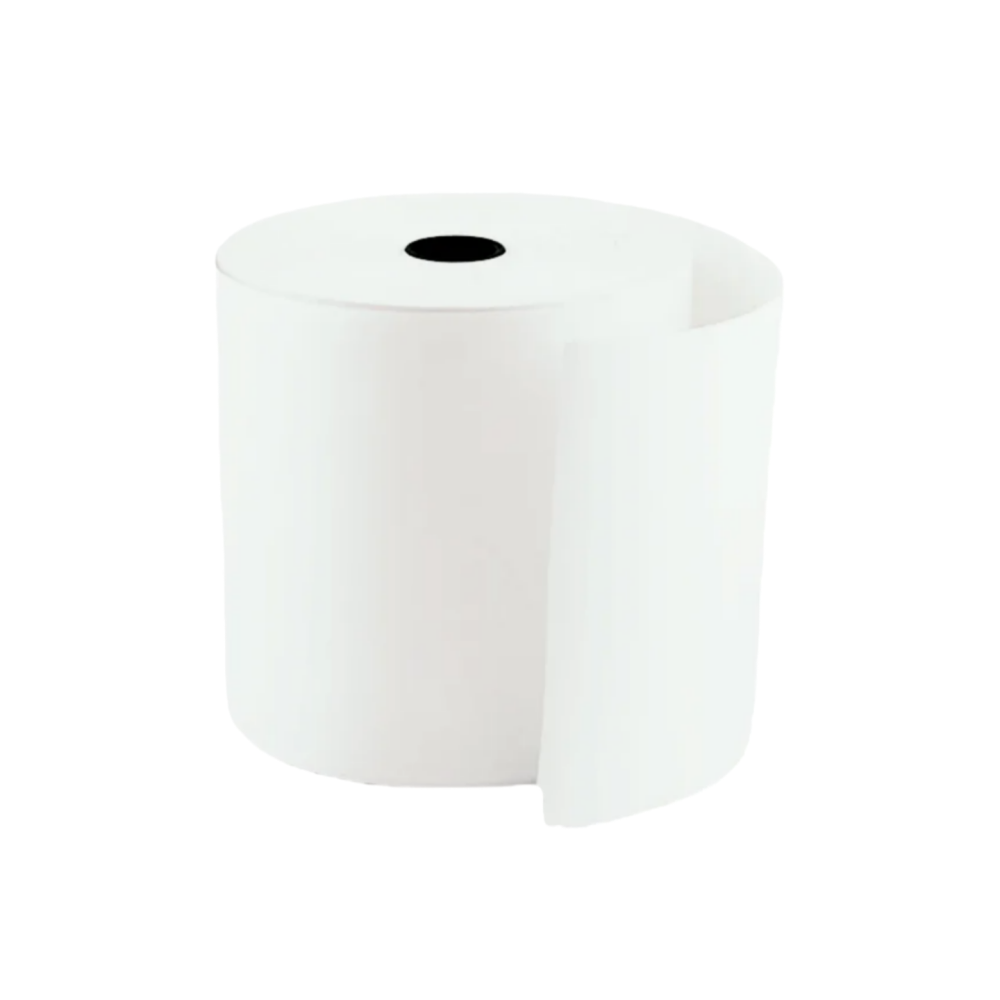
The outer diameter is the overall size of the wound roll. It determines whether the full roll fits within the compartment with the clearance required by the printer. Core size describes the centre opening or supporting tube, with the relevant internal and external dimensions specified where needed. A larger centre opening does not mean the outer roll is smaller.
A drop-in mechanism may use the roll differently from a spindle-supported holder. Follow the machine's stated requirements rather than assuming that every core has the same role. If the specification mentions a core, preserve its exact meaning in the purchasing record. Do not turn an internal core measurement into an external one during a spreadsheet update.
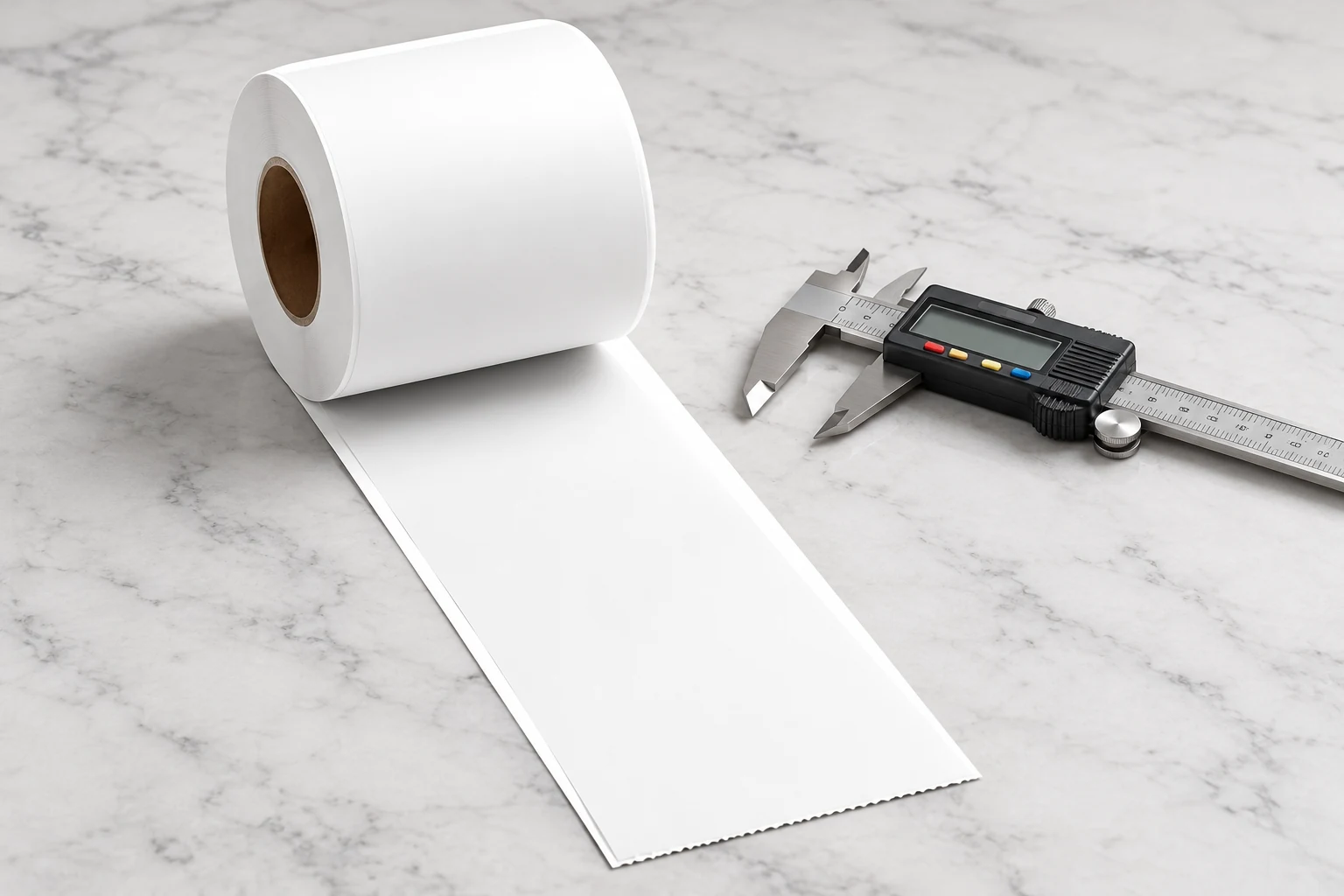
| Dimension | What It Describes | What It Does Not Prove |
|---|---|---|
| Roll width | The paper web across the roll | Printable area or correct driver settings |
| Outer diameter | The complete wound roll size | Paper length without other information |
| Core size | The centre opening and relevant tube dimensions | Compatibility with every holder design |
Keep Paper Length And Winding In The Comparison
A Similar Diameter Can Hide A Different Length
Paper length depends on more than the outside size. Core dimensions, paper thickness and winding all affect the relationship. Two rolls with a similar outer diameter can therefore contain different lengths. A buyer comparing prices should request a stated length and its tolerance, rather than infer yield from a photograph or carton weight.
Where a supplier provides a length calculation, ask which dimensions and paper properties it assumes. Treat it as a calculation until the agreed verification method is applied. This does not make the calculation useless; it simply keeps an estimate separate from a measured acceptance result. The same distinction should remain visible in a distributor's product listing.
Inspect The Finished Roll, Not Only The Parent Paper
The converting process turns a paper web into a finished roll. Examine the roll edges, winding consistency and visible handling condition as part of sample review. A parent-paper description cannot by itself explain how a finished roll sits or unwinds in a specific printer. Record observations in plain terms instead of turning a visual impression into an unsupported performance grade.
The published factory information provides context for the converting discussion. Use it to frame questions about the proposed finished roll. Do not assume that a factory photograph documents the production lot being purchased or establishes a numerical tolerance.

Use A Controlled Printer Trial
Change One Variable At A Time
Start with the model's documented setup and a clearly identified sample. Keep the receipt layout and normal printer settings recorded. If the trial produces a problem, note the symptom before changing paper, density settings and layout together. Multiple simultaneous changes can make an apparent improvement difficult to explain or reproduce.
For thermal paper rolls, trial observations can include loading, paper feeding, readable output, cutting and the behaviour near the end of the roll. Select observations relevant to the actual device. A successful trial in one machine is useful evidence for that configuration, but it does not establish compatibility with every printer across a branch network.
Capture The Outcome In A Reusable Record
Record the sample identifier, printer model, setup and result. Attach representative output when appropriate, and note whether the result was observed by the branch operator or a technical reviewer. If the trial fails, describe where it failed: loading, feeding, printing or cutting. A statement such as paper bad provides too little information for a useful follow-up.
Consider an illustrative branch with two printers that use the same nominal paper width. One has a smaller roll compartment. The branch should not order a common roll merely because the width agrees. It must check outer diameter and core size for both devices, then decide whether a shared approved consumable exists or two stock codes are required.
Protect The Receipt After Printing
A readable receipt at the printer does not guarantee readable information after any handling or storage condition. Ricoh's thermal-paper care guidance identifies exposure concerns such as heat, light, certain chemicals and rubbing. The practical lesson is to review how receipts are handled and stored, rather than assume that the printing trial answers every retention question.
For the retail application, map the actual record path: printing, customer handling and any later filing or scanning. If receipts need to remain usable for a particular purpose, specify that purpose and the expected conditions. Do not attach an unsupported retention period to a generic roll description.
Adhesives, sleeves and nearby materials can become part of the handling environment. A team should check the applicable paper guidance before adopting a filing method. Avoid treating a successful short demonstration as proof of long-term retention. Where information is important to a business process, define a suitable record-management method as well as the paper requirement.

Turn Sample Approval Into A Repeatable Order
A repeat order should reference the approved specification, not just the appearance of the last carton. Include roll width, outer diameter, core size, paper identification, stated length and packing arrangement. Where tolerances are agreed, attach the method used to assess them. This makes a later comparison possible without reconstructing the original sales conversation.
At receipt, check product identity and the agreed sampling criteria before mixing new stock with existing stock. Retain the link between the delivery and the supplier's batch or production reference where available. If an observed dimension differs from the order, hold that finding for review. Do not relabel the stock as compatible simply because one operator managed to load a roll.
Storage should follow the paper and supplier guidance, using a suitable clean, dry location away from avoidable exposures. Plan stock rotation and keep packaging identification available. A warehouse process can preserve traceability and condition, but it should not be described as creating a print-life guarantee.
The company profile is a source for supplier background. Product acceptance still depends on the identified item and its agreed records. For thermal paper rolls supplied to multiple branches, that distinction helps purchasing teams avoid using a general supplier statement as a substitute for a machine-specific approval.

Frequently Asked Questions
Is The Same Paper Width Enough For Two Printers?
No. Check the outer diameter, core size and the other paper requirements in both manuals. The same width can be used in devices with different compartments, holders and operating requirements.
Can Roll Length Be Judged From A Product Image?
A photograph cannot reliably establish length. Ask for the named length specification and agreed verification method. Apparent size can be affected by perspective, paper thickness, the core and winding.
Does A Roll That Feeds Correctly Pass The Whole Trial?
Feeding is one observation. Printing, cutting, end-of-roll behaviour and any other device-specific requirements still need to be checked. Keep the trial scope explicit so that an untested function is not reported as passed.
Should A Distributor Use One Stock Code For Every Branch?
Only when the identified consumable meets the approved requirements for the relevant printers. A common stock code simplifies purchasing, but it must follow compatibility evidence rather than replace it.
What Is The Best Way To Resolve An Ambiguous Size Code?
Translate it into named fields and units before ordering. Confirm which number means roll width, outer diameter, core size or length, and retain the supplier's clarification with the purchase specification.
Make Compatibility A Documented Decision
Three dimensions provide a disciplined starting point, while paper identification and a controlled trial complete the practical review. The result should be a consumable specification that another buyer or branch operator can understand and repeat. That is more useful than a broad compatible-printer claim with no defined configuration.
The supplier contact page can be used to discuss a named printer model, its documented roll dimensions and the sample evidence needed before approving an order.
 You May Also Like