


 Home
 XBD
 Oct 29,2026

Thermal printer rolls need more than a clean first print. Selection should follow the receipt from loading and cutting to handling, storage and later retrieval.
The Receipt Has a Job After It Leaves the Printer
A checkout receipt, a kitchen order and a retained transaction record may begin on similar-looking white paper. Their useful lives can be very different. One is read immediately and discarded; another passes through several hands; a third may need to remain readable when a payment is questioned. Choosing a roll only by the appearance of a fresh print leaves those later conditions outside the decision.
Define the Last Useful Reading
Start with the point at which the record must still serve its purpose. That could be the handover of an order, a daily reconciliation or a later document review. Write down what must remain readable: a total, item description, transaction reference or machine-readable code. This makes thermal image retention a defined task for evaluation. It avoids treating a dark sample printed at a sales desk as proof of useful life under every operating condition.
Map the Actual Contact Conditions
Describe where the receipt goes next. It may be placed beside warm equipment, folded into a wallet, clipped to an order or packed with another item. Record exposure that is reasonably expected, rather than building a dramatic test unrelated to use. A restaurant collection counter and an enclosed office drawer do not present the same handling problem. The chosen paper grade should be assessed against the relevant route, not against a generic list of premium features.
Use the application overview to define the task, not to assume that one stock suits every listed use.
Physical Fit and Printing Response Are Separate Checks
Confirm the Roll Envelope First
Paper width, outer diameter and core arrangement describe different parts of the fit. A roll may have the right nominal width yet be too large for the compartment, or may sit differently because of its core. Confirm the printer model and configuration, then use its current documentation to establish the allowed media. The meaning of a two-number catalogue size must also be confirmed; it should not be silently interpreted as roll length.
Epson's TM-T20IV-L technical reference guide illustrates the distinction by listing paper width, roll diameter, spool dimensions and paper thickness separately. Those details apply to that model. They provide a useful way to structure a check, but they are not universal limits for other printers and do not certify a third-party roll shown in a photograph.
Then Check the Response at Normal Settings
Once the roll fits, print with the intended normal configuration. Check complete lines, fine characters and any codes used by the transaction system. Changing several settings at once makes comparisons difficult: a darker output could reflect a setting change rather than a better paper match. Keep a record of the starting configuration and only make adjustments permitted by the equipment documentation. An attractive result obtained under exceptional settings is not a substitute for a repeatable operating result.
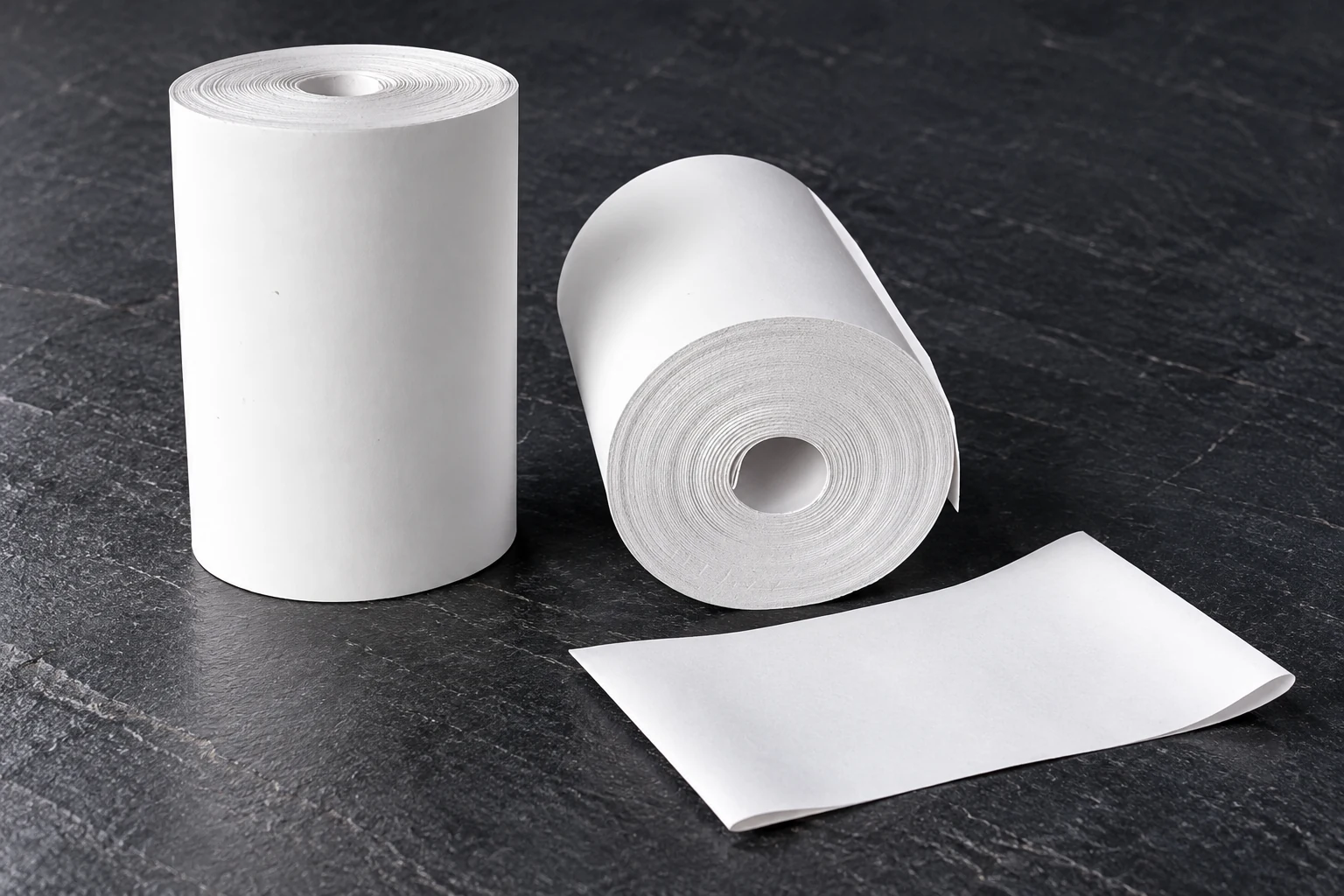
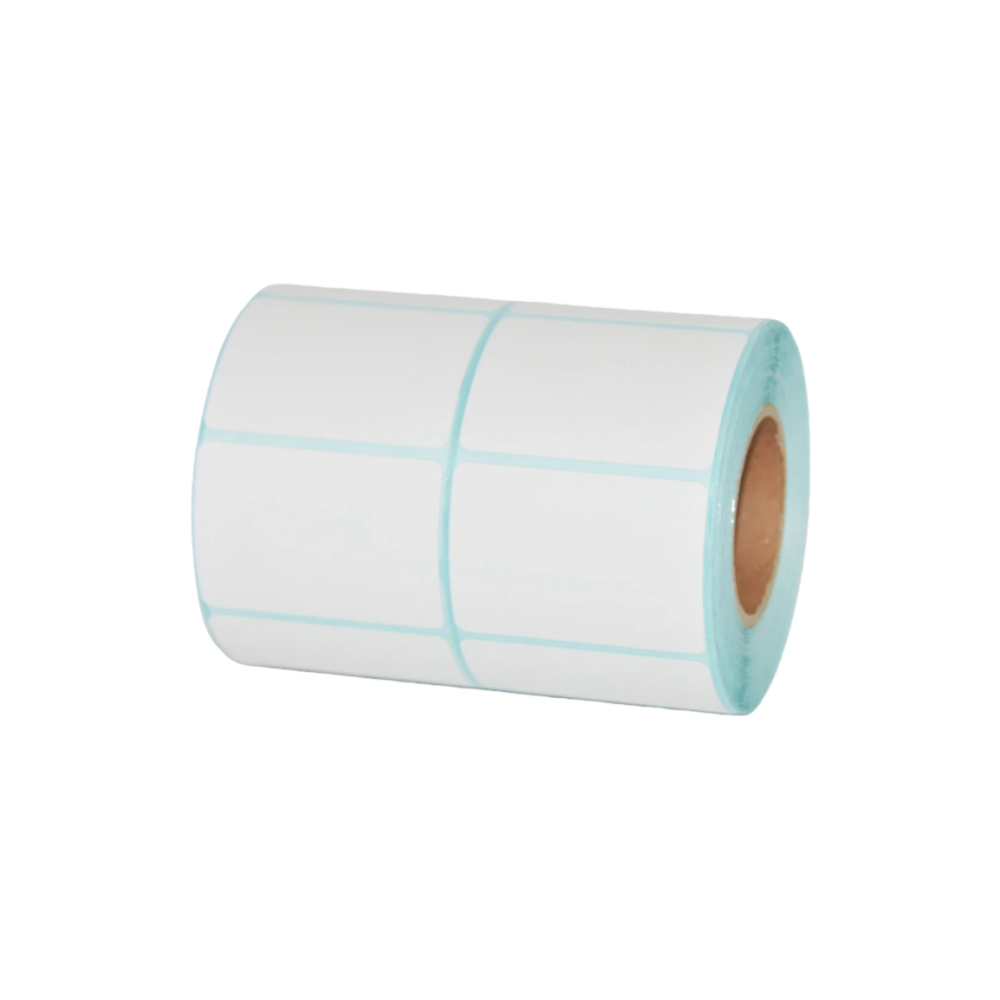
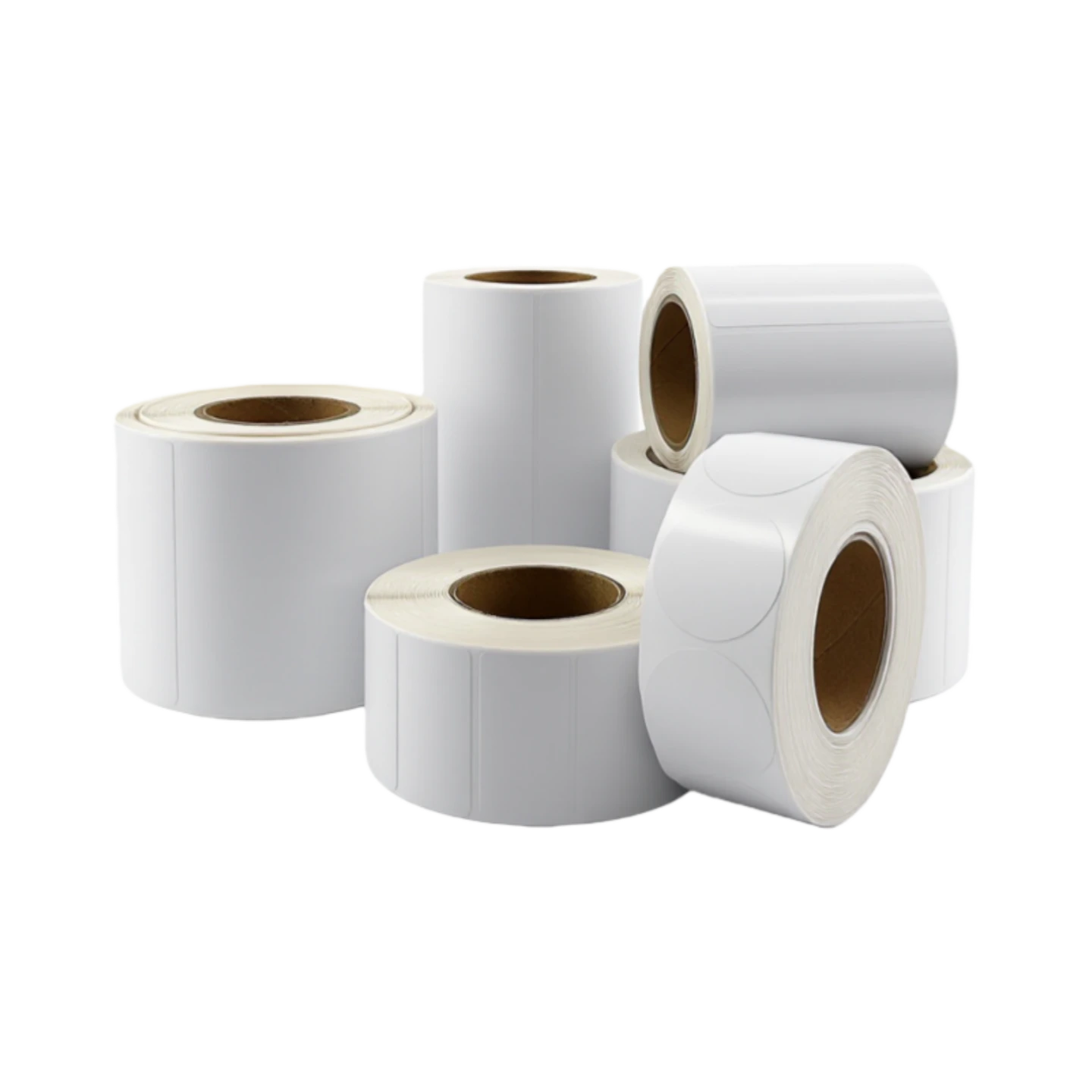
The cash-register paper listing provides nominal size choices and customization context. Treat those entries as a basis for a written specification. Confirm the actual variant, tolerances and sample identification before using the listing to approve an order. A shared product image across several sizes cannot tell the reader which size is pictured.
Compare the Workflows Before Comparing the Rolls
A simple comparison matrix helps keep requirements separate. The rows below are evaluation prompts, not performance guarantees for any particular stock. The important difference is the evidence needed to support the decision. The same trial result may be adequate for one workflow and incomplete for another.
| Use after printing | Priority observation | Evidence to retain | Common mistaken inference |
|---|---|---|---|
| Immediate checkout handover | Complete readable output and a clean normal feed-and-cut cycle | Printer model, settings and representative receipt examples | A dark first print proves long-term image retention |
| Order handling at a service counter | Readability after the contacts expected during the order | Description of handling and comparison with an untouched control | A water-related marketing term covers every spill or chemical |
| Repeated shifts on the same device | Consistency through roll changes and ordinary operation | Roll identity, run notes and any feed interruptions | One successful sheet establishes the whole roll's behavior |
| Later reconciliation or retrieval | Usable image after the stated storage interval and conditions | Dated samples, storage notes and a separate digital record | Short observation supports a multi-year permanence claim |
Use a Representative Transaction
For receipt paper compatibility, select a normal transaction layout that includes the details actually relied upon. A short test line can miss a problem with a long description, a dense code or a receipt that extends beyond a few centimetres. Include the routine paper-handling sequence, including cutting or tearing where that is part of normal use. Use the printer according to its instructions; do not introduce unsafe contact with hot or moving parts to create a test.

Separate a Paper Issue From a Setup Issue
For receipt paper compatibility, confirm loading orientation, settings, device condition and roll identity before rejecting stock. Compare with a known reference under the same permitted conditions. A fault affecting both stocks may arise from equipment or configuration; a fault affecting only one still needs a controlled comparison.
Compare thermal printer rolls through a documented sequence. Keep acceptable and failed examples with sample identifiers and operating notes. This helps distinguish a repeatable limitation from a one-off handling error.
What Conversion Details Can Change in Practice
Paper chemistry is not the only variable. Winding, edge condition and packaging affect how stock arrives. Note damage or loose winding before opening the roll. Such observations help separate transport and handling issues from printing concerns without diagnosing a manufacturing cause from appearance alone.
Observe the Edges Without Turning Appearance Into a Guarantee
Look for an orderly roll and obvious debris or damage, while avoiding unsupported claims about what a visual check can prove. A smooth-looking edge is not a measured dust result. If residue or feed behavior matters to the application, ask how it is assessed and document observations under the planned operating conditions. Describe the issue precisely enough that another person can repeat the check with the same sample and equipment.
The current receipt-roll product page discusses multiple sizes and packaging options. Those options need to be attached to the exact order variant. Words such as universal, premium or smooth-feeding should not replace a model-specific evaluation. They are starting points for questions, not permission to omit them.
Keep Length, Thickness and Diameter Distinct
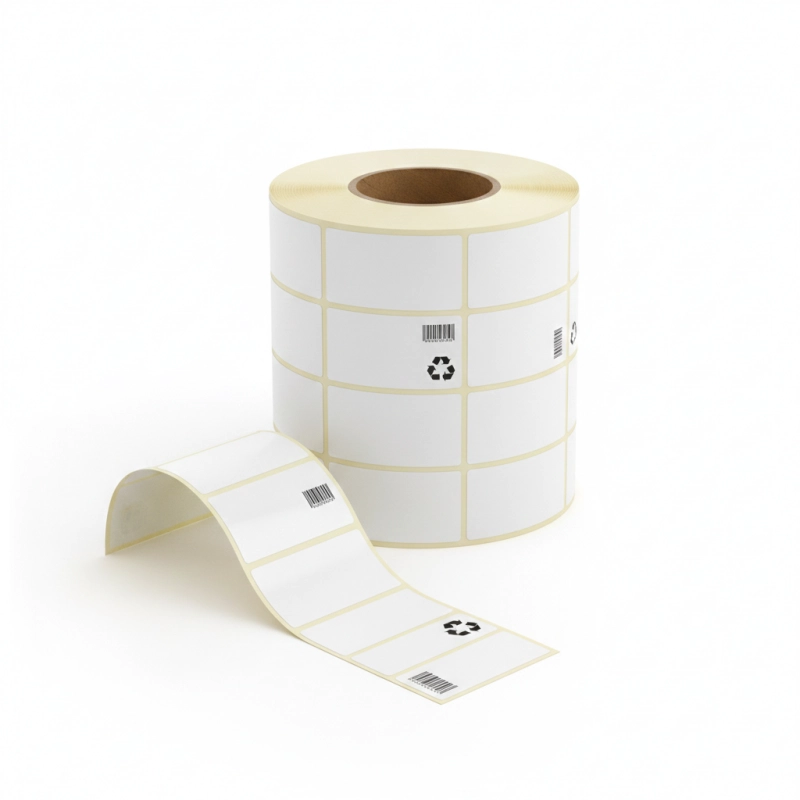
A visibly larger roll does not automatically offer a proportionally longer usable supply. Paper thickness, winding and core dimensions all affect the relationship. If length or usable yield is part of the comparison, request it directly and agree how it will be checked. Do not calculate a commercial advantage from photographs. Also separate the amount of paper supplied from the amount consumed by a particular receipt layout; those answer different questions.
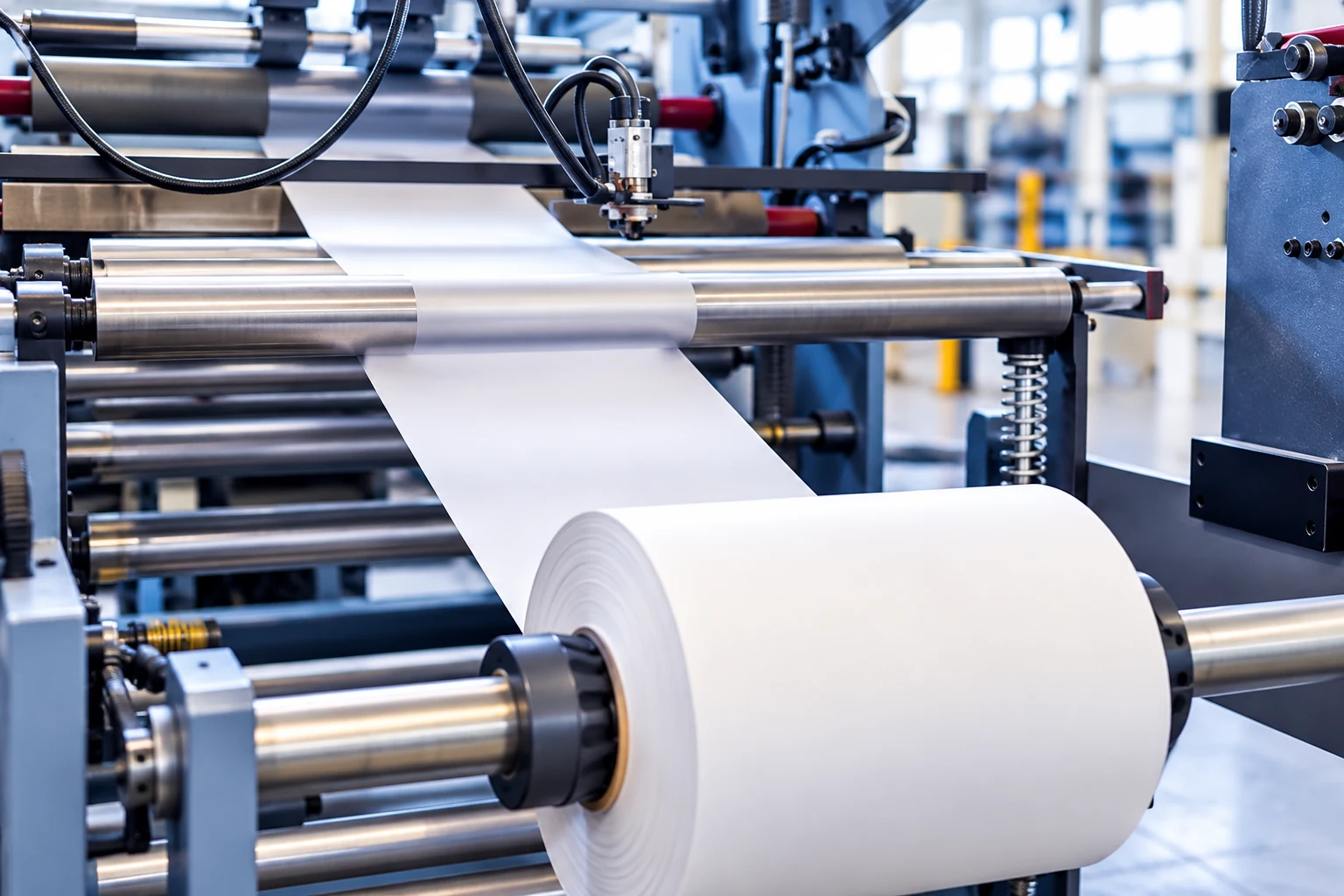
The online factory page helps frame process questions. Connect agreed specifications and sample identity to delivery checks; imagery alone does not establish batch quality.
Storage Can Change the Result After a Good Print
Ricoh's published care guidance for thermal paper warns about heat, strong light, certain chemical contacts and abrasion. Its document also gives conditions for its own materials. These are useful reminders to obtain the instructions for the exact grade under consideration; they should not be transferred as numerical guarantees to another supplier's receipt stock. Protective coatings and intended uses differ.
Thermal printer rolls are therefore best assessed as part of a storage routine as well as a printing routine. For roll storage conditions, note whether cartons remain sealed, where opened stock waits and how long it typically stays there. Keep the paper away from unnecessary exposure while following the relevant supplier instructions. A clear location and stock-rotation rule can prevent uncertainty about whether an old open roll or a fresh sealed one was used in a comparison.
For thermal image retention, keep a dated control sample under the agreed reference conditions and compare it with a sample following the actual document route. State the observation interval honestly. A short practical trial can reveal obvious incompatibility, but it cannot demonstrate years of preservation. If longer retention is important, request grade-specific evidence with stated conditions and keep a separate process for capturing the transaction electronically.

A coated-paper product listing may be relevant when exposure is a concern, but the word waterproof is not a complete test definition. Ask which liquid, contact duration, temperature and acceptance criterion the claim refers to. Keep the intended use narrower than the evidence. Paper that tolerates one short contact is not automatically suitable for every wet, hot or chemically exposed environment.
Turn the Findings Into a Repeatable Reorder
The useful output is a decision record: printer configuration, chosen stock, sample reference, acceptable output and unresolved limits. If a different grade is offered later, identify which fit and handling checks must be repeated. The same nominal size can conceal a different printing response.
Keep unopened stock separate from paper already in use. Record delivery identity and preserve comparison samples. Reorder against the agreed specification, not the appearance of a white roll, so changes in staff or catalogue wording do not erase the original decision.
Frequently Asked Questions
Does matching the paper width establish compatibility?
No. The allowed outer diameter, core arrangement, paper type and relevant equipment settings also need confirmation. Start with the exact printer documentation and then check the proposed stock under its intended operating conditions.
Can a roll photograph identify its coating or length?
No. Photographs can show the visible form and obvious packaging details, but they cannot establish coating chemistry, usable length or tested performance. Use a written variant specification and identified samples for those decisions.
Is a darker receipt always a better result?
Not necessarily. Fine text and codes must remain distinguishable, and the output should be repeatable at permitted normal settings. Compare the information the receipt must convey rather than choosing on darkness alone.
Does a short handling trial prove long-term preservation?
No. It only supports the conditions and interval actually observed. Longer claims need appropriate grade-specific evidence, while important records may also require a separate electronic capture and retrieval process.
What should change when a substitute grade is offered?
Review the specification differences and repeat the relevant fit, print and handling checks. Keep the original accepted sample as a reference. An unchanged nominal roll size does not establish that the rest of the paper behavior is unchanged.
Before the next sample request, collect the printer model, confirmed roll envelope, representative receipt and intended handling route. A focused discussion through the product contact page can then address the remaining evidence gaps instead of repeating a broad request for the best paper.
 You May Also Like