


 Home
 XBD
 Oct 30,2026

Thermal printing rolls need evidence of physical fit, readable printing and suitability for the conditions in which the receipt will be handled. A matching width is a useful starting point, but it cannot answer every one of those questions. The strongest selection record separates what a product description states, what a printer requires and what an actual sample demonstrates.
Define The Evidence Behind The Purchase Decision
Dimensions, weight, coating and packaging describe different aspects of a roll. None alone establishes performance in a particular machine. Keep the product description, printer requirement and sample evidence separate so that each can be checked.
Separate A Catalogue Description From An Acceptance Requirement
A catalogue is a discovery tool. An acceptance requirement states what the supplied material must meet and how that will be assessed. Terms such as premium, clear or long-lasting do not provide a complete acceptance basis by themselves. Translate the intended result into an observable check, identify the sample or lot to be examined and agree what constitutes an unacceptable outcome.
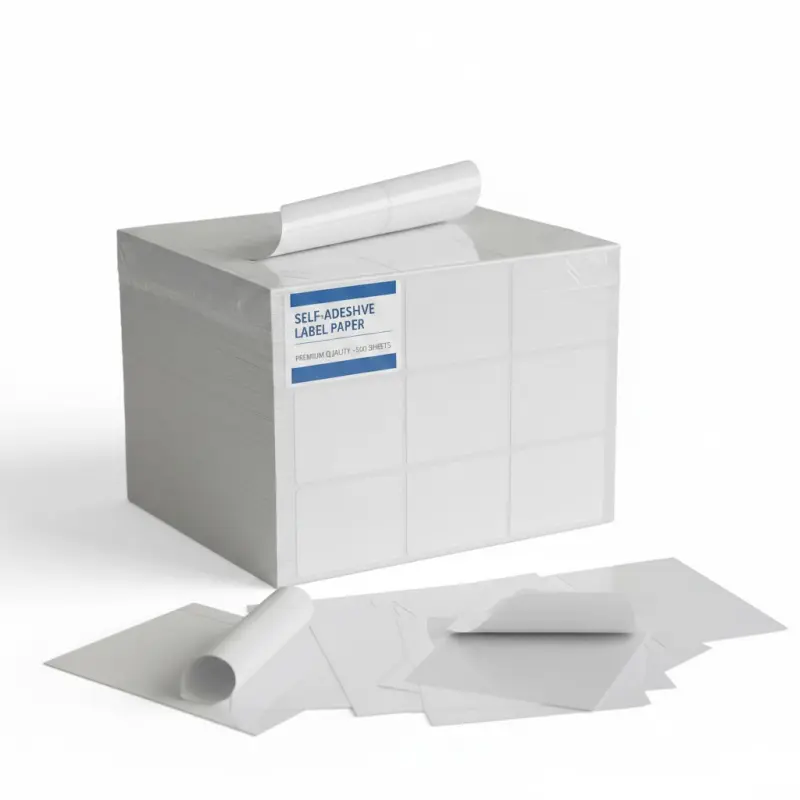
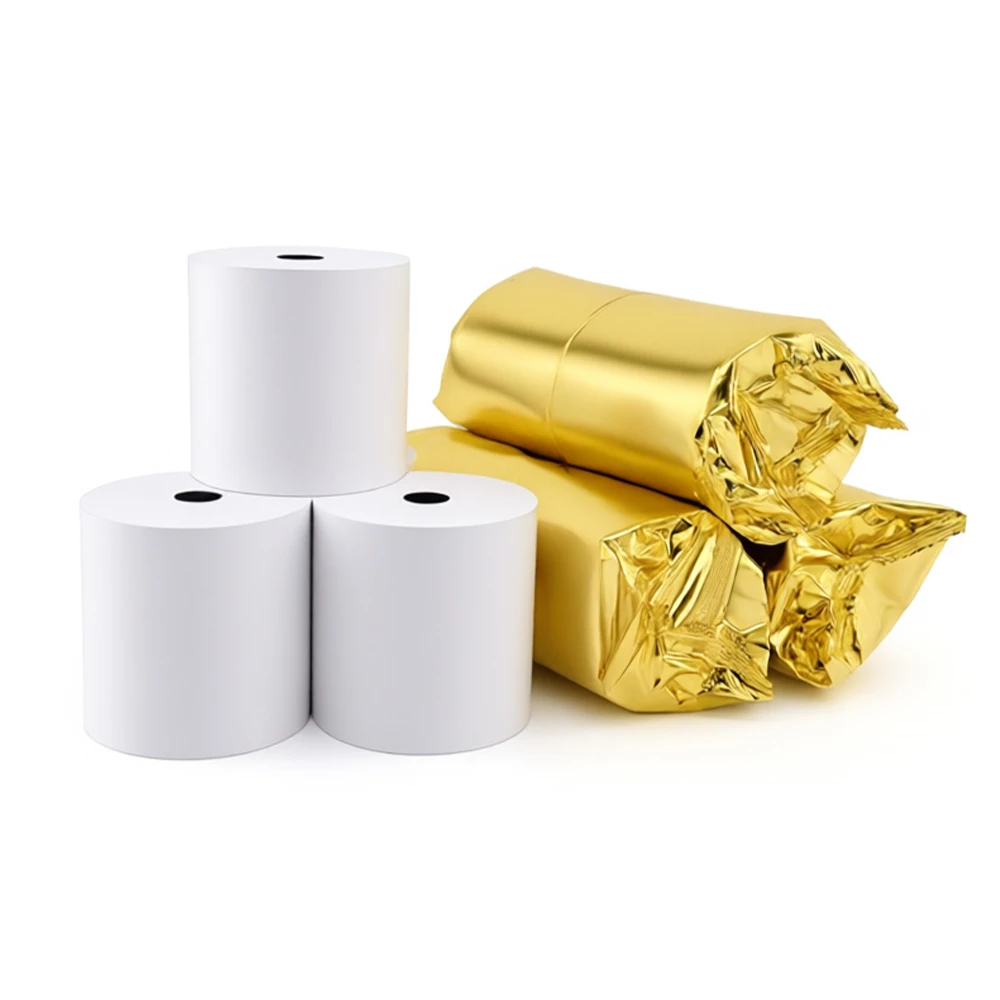
The current 80 mm thermal-roll presentation includes product and pack information that can start a discussion. Confirm the meaning of every dimension, the paper grade and the ordered configuration before treating the displayed pack as the final specification. A photograph of several rolls beside a carton is not an independent count or measurement of a shipment.
Keep The Printer Requirement Independent
The printer's current media instructions should determine its permitted roll arrangement and operating limits. A general claim that a roll suits POS printing is broader than approval for a specific printer configuration. Where the available product information is incomplete, request the missing detail instead of assuming that the absence of a warning means compatibility.
Define the output task. An immediately read receipt and a document kept for reconciliation face different exposure and readability questions. Assess suitability for the intended task instead of inferring it from a shared size.
Use Roll Geometry To Establish Physical Compatibility
Roll geometry extends beyond width. The roll must fit the holder, clear the compartment and feed correctly. Core arrangement, winding direction and paper presentation are mechanical questions to settle before evaluating print contrast.
Ask What Each Dimension Actually Describes
A short size code can refer to width, outside diameter, core diameter or a combination of these. Record the definition and unit for each value instead of relying on the order used in a catalogue title. A core's internal opening is not its outside diameter. Likewise, roll length cannot be established from outside diameter alone without knowing the rest of the roll construction.
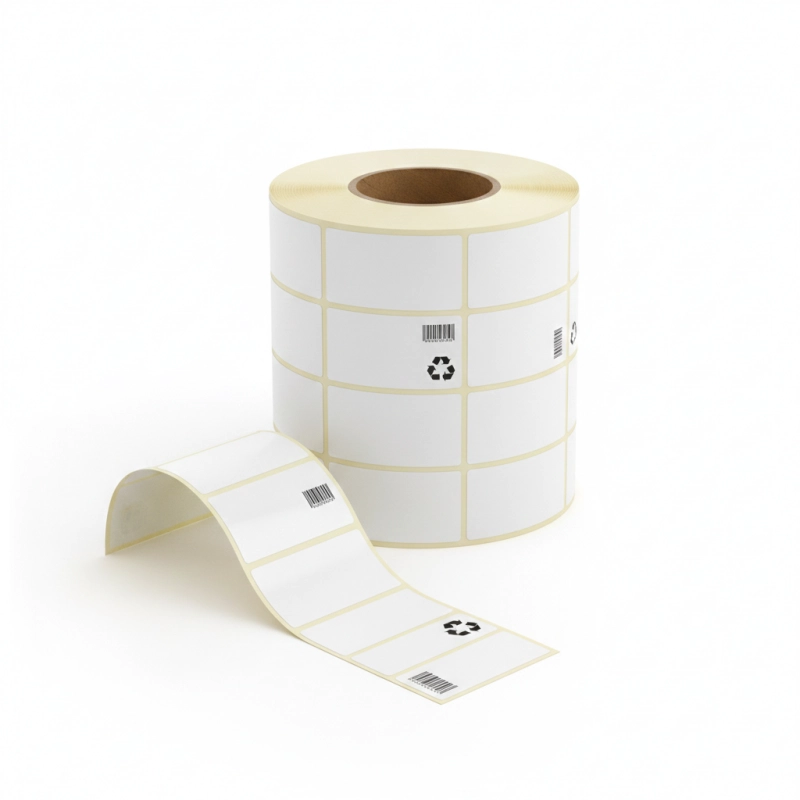
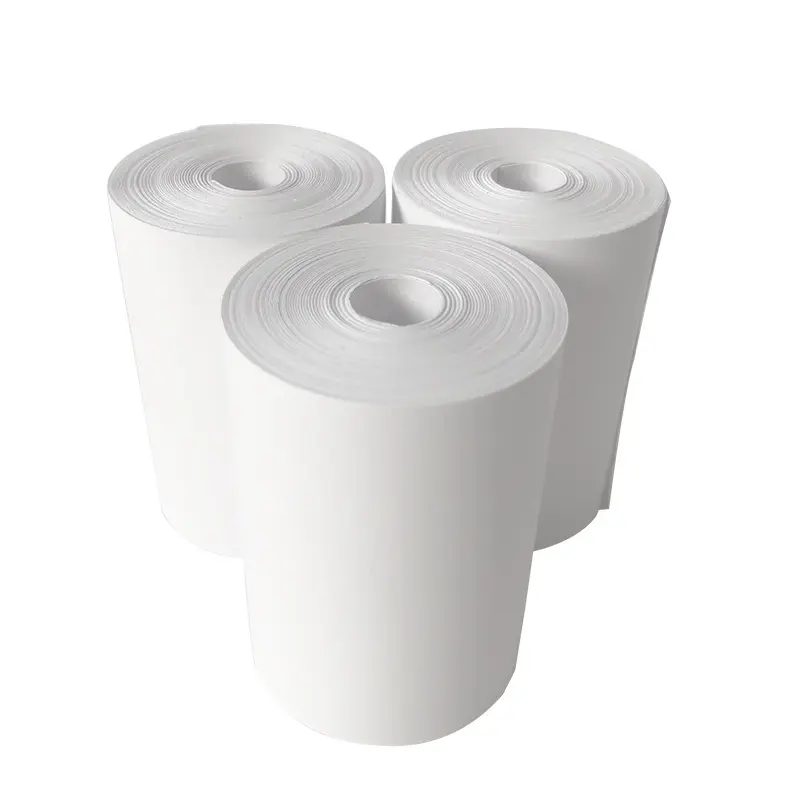
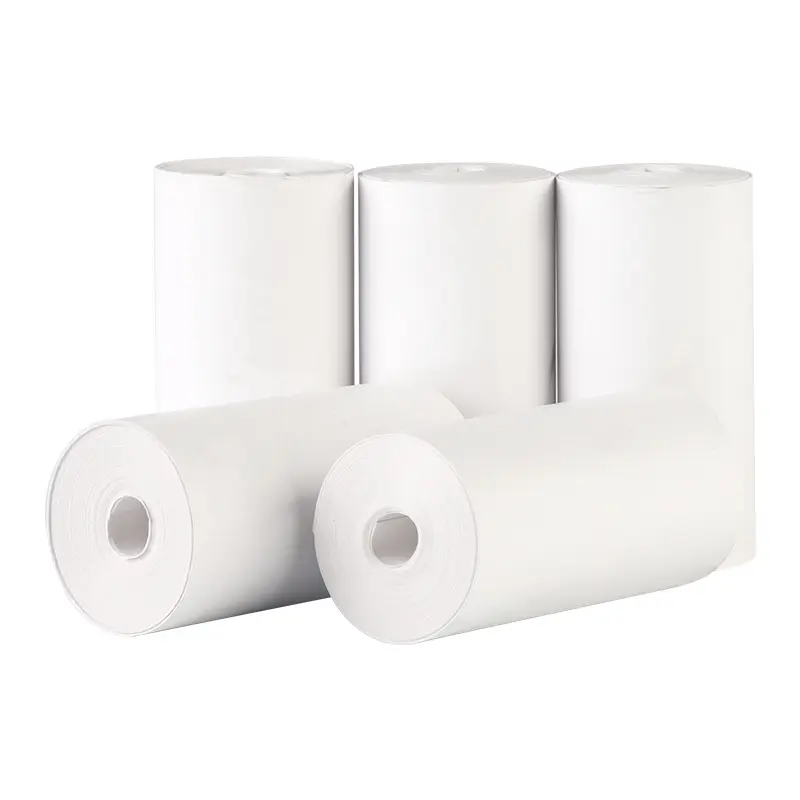
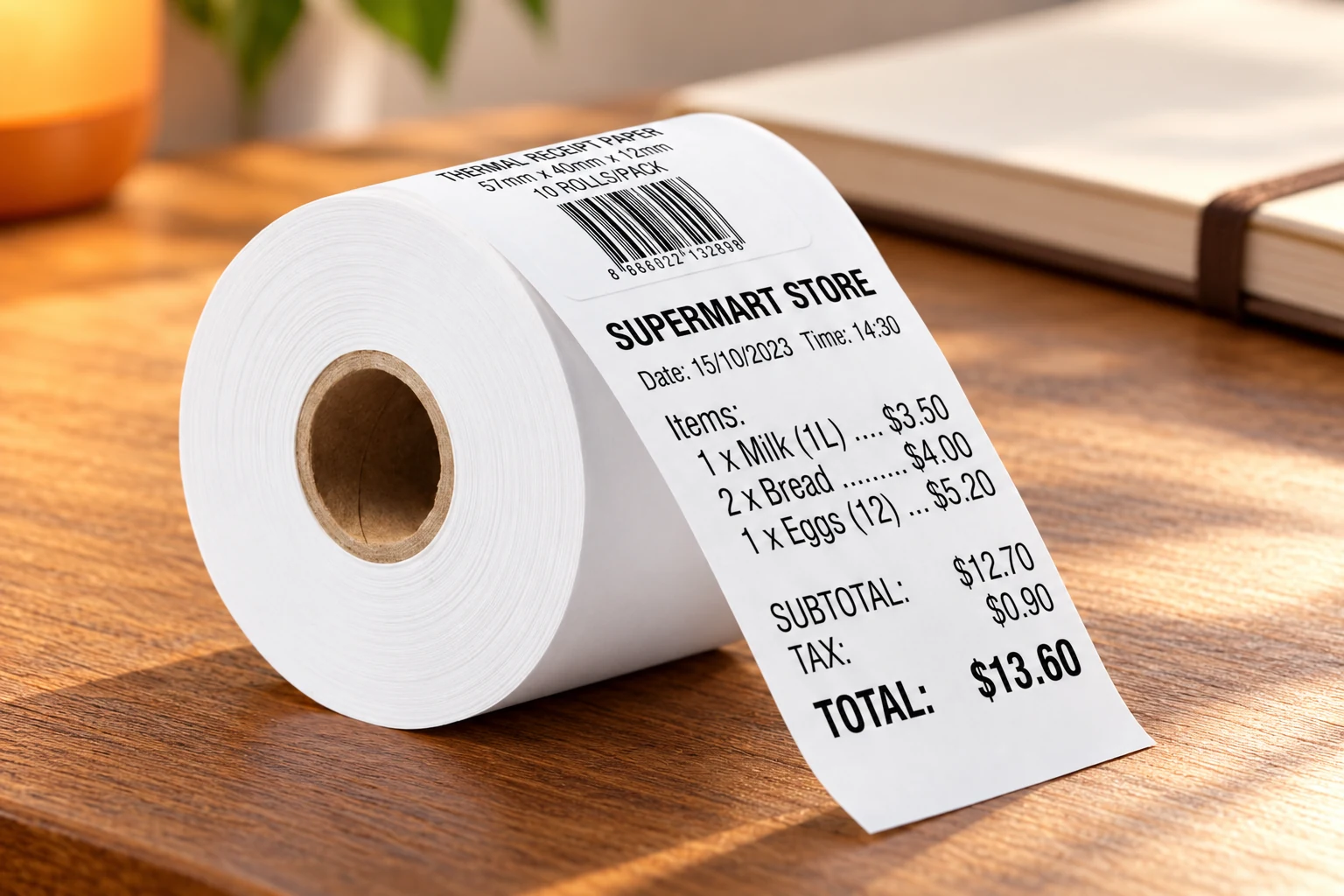
The printed receipt-roll example shows a continuous paper form and visible pack-size information. It is useful for discussing which dimensions need confirmation, not for taking measurements from an image. The regenerated illustration below retains the original product identity; its perspective should never be used as dimensional evidence.
Check The Feed Path Across The Roll's Use
A roll that fits into an open compartment may still behave poorly after loading. Check the loading orientation and the manufacturer's instructions, then observe the movement during a representative print task. Where relevant, include later stages of the roll instead of examining only the first few turns. Keep the machine and paper identifiers with the observations.
Keep roll geometry separate from feed behavior. Describe damaged edges, uneven winding or guide contact directly. Calling every interruption a paper defect can conceal a loading issue; blaming every interruption on the printer can conceal unsuitable media.
Connect Print Response To A Defined Operating Condition
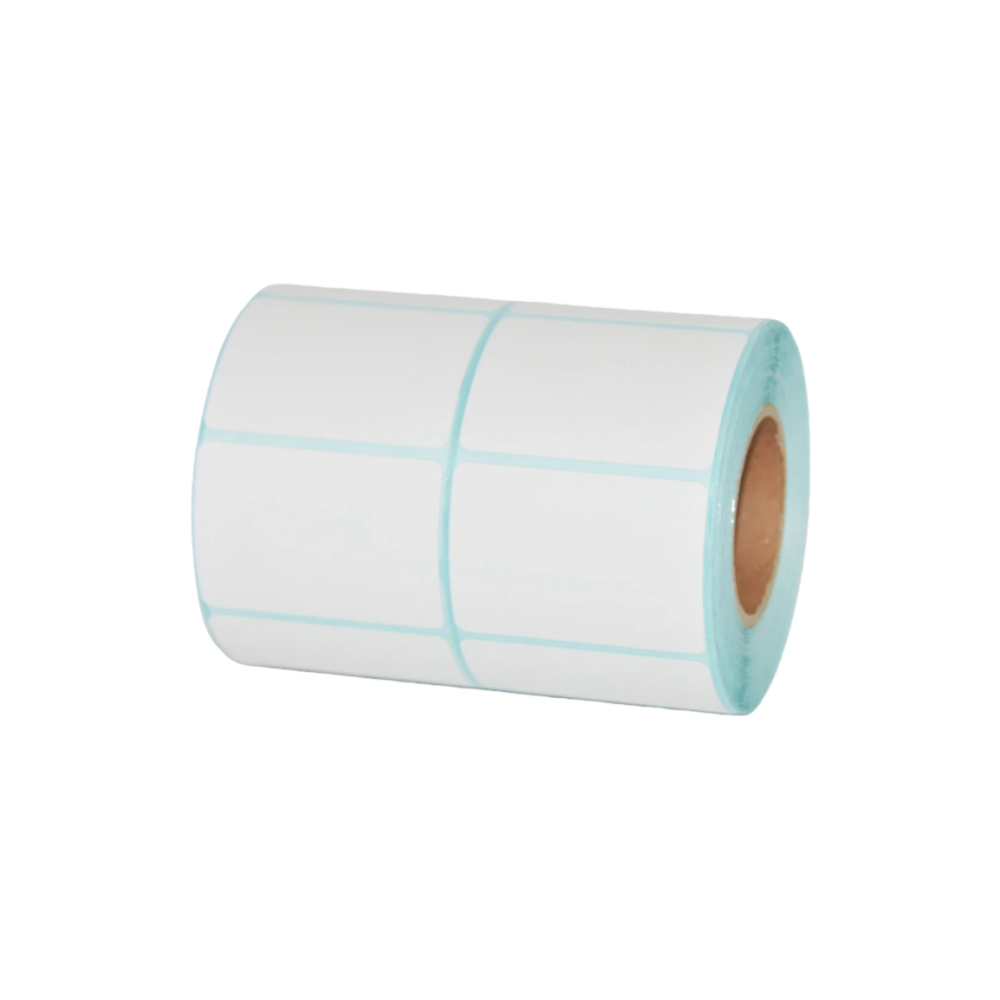
Direct thermal media uses a heat-sensitive surface. Assess whether it gives suitable results in the intended printer. A friction mark may indicate a responsive surface, but cannot establish a grade specification or normal printing performance.
Record The Conditions Behind A Readable Sample
Print response should be assessed with a known printer, its appropriate settings and a representative output. Keep those conditions with the sample. A good result obtained after an unexplained setting change cannot be compared fairly with another sample printed under different conditions. Avoid adjusting several variables at once when the purpose is to understand a difference.
Zebra's printer documentation identifies media choice, print speed and heat settings as influences on print quality. Those factors should be considered together within the model's instructions. This does not mean that increasing heat is a universal remedy. A selection review needs the suitable operating combination and its limits, not just the darkest specimen produced during experimentation.
Separate Image Appearance From Functional Readability
Plain text, a small graphic and machine-readable information may expose different weaknesses. A receipt can look acceptable at a glance while a required field is difficult to read. Use the actual information that matters to the task. Where a barcode is part of the application, assess it with an appropriate method rather than assuming that dark bars prove reliable reading.
Thermal printing rolls should be compared against the same acceptance basis. Retain a reference output and identify any gaps, streaks or unintended background change. If a defect appears, record where it occurs and whether it repeats. The sample can then support a specific discussion about print response instead of a subjective argument over which paper looks whiter.

Specify Image Retention For The Actual Handling Path
Initial readability and image retention answer different questions. Define expected light, heat, moisture, friction and contact exposures, together with the required period of use. A longevity claim without conditions cannot establish suitability.
Describe Exposure Instead Of Requesting An Undefined Guarantee
Follow the receipt through its normal use: printing, handover, transport, temporary storage and later reading. Identify the conditions that are reasonably expected at each step. The purpose is not to design an extreme test unrelated to use, but to make the selection requirement realistic. A receipt kept indoors and one left near a heat source should not be treated as equivalent evidence.
The coated thermal-roll product information is a starting point for asking about resistance and its test basis. A resistance claim should identify what was tested and under which conditions. It does not automatically establish resistance to every chemical, temperature or combination of exposures, and it should not be extended beyond the available evidence.
Plan The Record When Retention Matters
Image retention has to serve an information need. If a document must support a later investigation or reconciliation, determine how that information will be preserved and retrieved. National Archives of Australia guidance cautions against relying on thermal paper for permanent or long-term records. The appropriate recordkeeping arrangement therefore deserves a separate decision from the purchase of printer consumables.
The illustration below depicts ordinary receipt handling, not a controlled durability comparison. Printed prices, dates and sample transaction details on catalogue images are examples only. Selection should rely on identified test samples and records, rather than treating a generated image as proof of sharp printing or a specific retained lifetime.

Check Whether The Supply Record Connects The Evidence
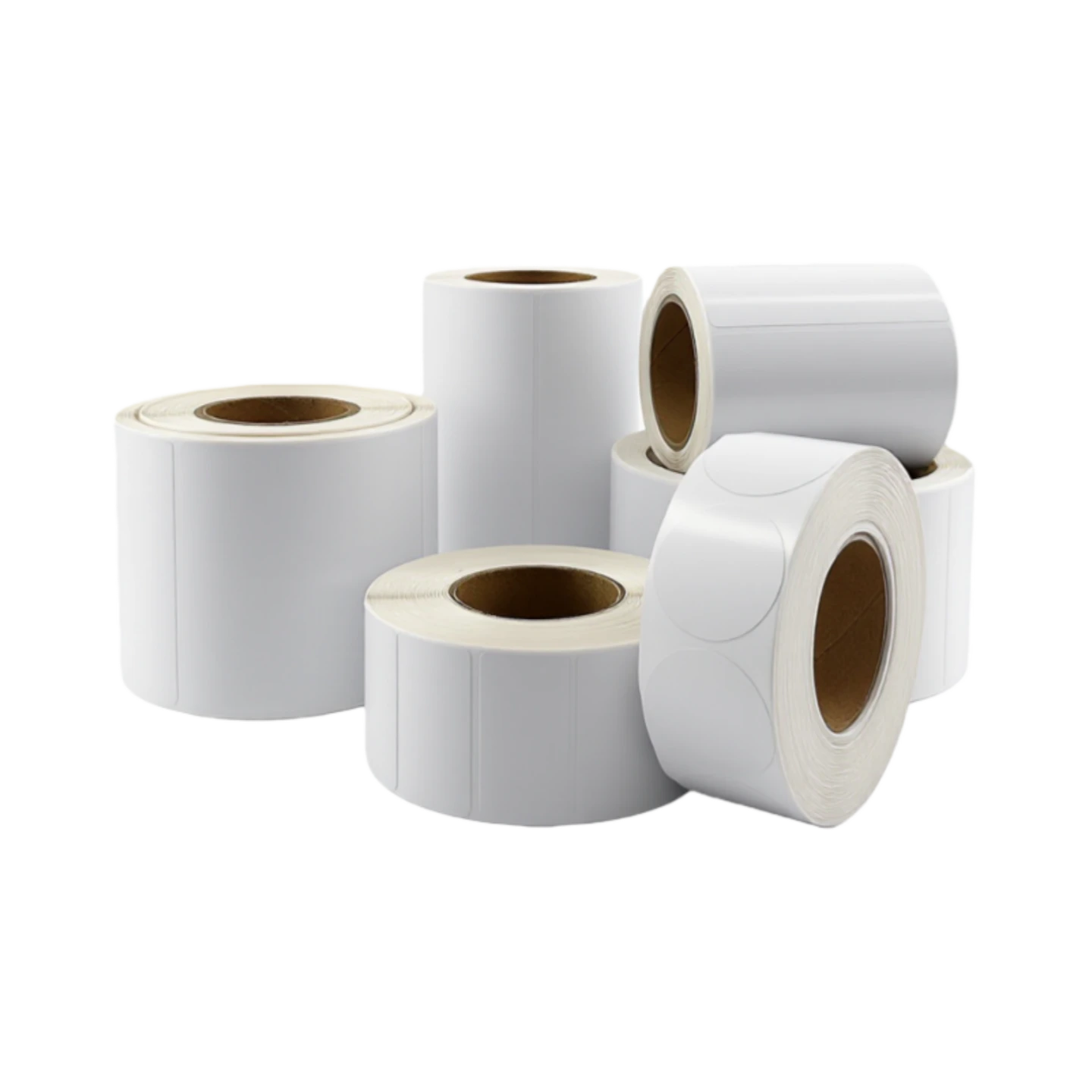
Connect the approved sample to the material supplied through the grade, configuration and lot references. A proposed change may invalidate part of the evidence. A familiar product name does not prove unchanged paper or converting conditions. The factory overview provides context for questions about the actual converting operation; photographs alone do not establish lot consistency.
| Decision | Evidence to retain | What it can establish | What remains separate |
|---|---|---|---|
| Physical fit | Defined dimensions and printer media requirements | A compatible roll arrangement | Print contrast and durability |
| Feed behavior | Identified trial and loading conditions | Observed movement during that task | Performance in other machines |
| Print response | Output linked to media, printer and settings | Readability under recorded conditions | Longer-term image retention |
| Handling suitability | Exposure conditions and evaluation method | Suitability for the assessed handling path | Unexamined chemicals or environments |
| Supply consistency | Agreed grade, configuration and lot identity | A connection between order and evidence | Automatic approval of later substitutions |
Custom printing adds another controlled item. The custom printed-roll page can help open the artwork discussion, but the approved artwork, print side and relevant operating questions should be documented for the actual order. A logo mock-up is not a substitute for a trial of the finished printed material.
Protect The Selected Material Before It Reaches The Printer
Storage and handling can undermine an otherwise suitable selection. Keep the supplier's current storage instructions with the material and check their scope. Zebra recommends protected storage away from heat, light and chemicals and keeping media packaged until use. The practical controls should also reflect the grade's stated life and the conditions in the actual storage location.
Inspect carton condition and retain lot identification. Damage calls for closer review, not an automatic conclusion about every roll. Keep suspect material separate while the relevant question is resolved.

Frequently Asked Questions
Is A Matching Paper Width Enough?
No. Width does not establish the complete roll arrangement or printing performance. Check the other relevant dimensions, loading direction and the printer's media requirements, then assess the intended output under recorded conditions.
Can A Scratch Mark Confirm The Paper Grade?
A friction mark can indicate a heat-responsive surface, but it does not identify the complete grade or establish acceptance. The supplier's product identification and appropriate sample evidence are still needed for the intended use.
Does A Darker Print Always Mean Better Paper?
No. Darkness depends on the paper and printing conditions, and excessive or uneven darkness can obscure information. Compare the required readability under a defined setup instead of choosing a sample simply because its black areas look strongest.
Does A Coating Claim Establish A Guaranteed Receipt Lifetime?
No. Coating and lifetime statements need their stated scope and conditions. Image retention depends on the relevant handling path. A claim about one exposure should not be extended to unrelated chemicals, temperatures or storage arrangements.
When Should An Approved Roll Be Evaluated Again?
Review the evidence when the paper grade, dimensions, converting arrangement, printer or intended use changes. The depth of review should follow the change. A repeated order description does not by itself demonstrate that all relevant conditions remain the same.
Before approving thermal printing rolls for repeat supply, assemble the printer requirement, defined roll geometry, sample record and handling requirement into one brief. The site's product inquiry route can then be used to resolve the specific gaps, including grade identity or the basis of an image-retention claim.
 You May Also Like