


 Home
 XBD
 Oct 16,2026

A thermal printer roll manufacturer should demonstrate repeatable roll quality across production lots, not only a clean print from a selected sample.
A sample can feed smoothly and produce readable receipts while leaving important supply questions unanswered. Was it taken from normal production? Does the quoted roll use the same paper grade? Can the converter identify the material lot if a later delivery produces dust or feeding problems? Qualification becomes more useful when the sample is treated as the beginning of an evidence trail, followed by production controls, delivery checks and a clear response to variation.
Ask What The Sample Actually Represents
Connect The Sample To A Defined Supply Item
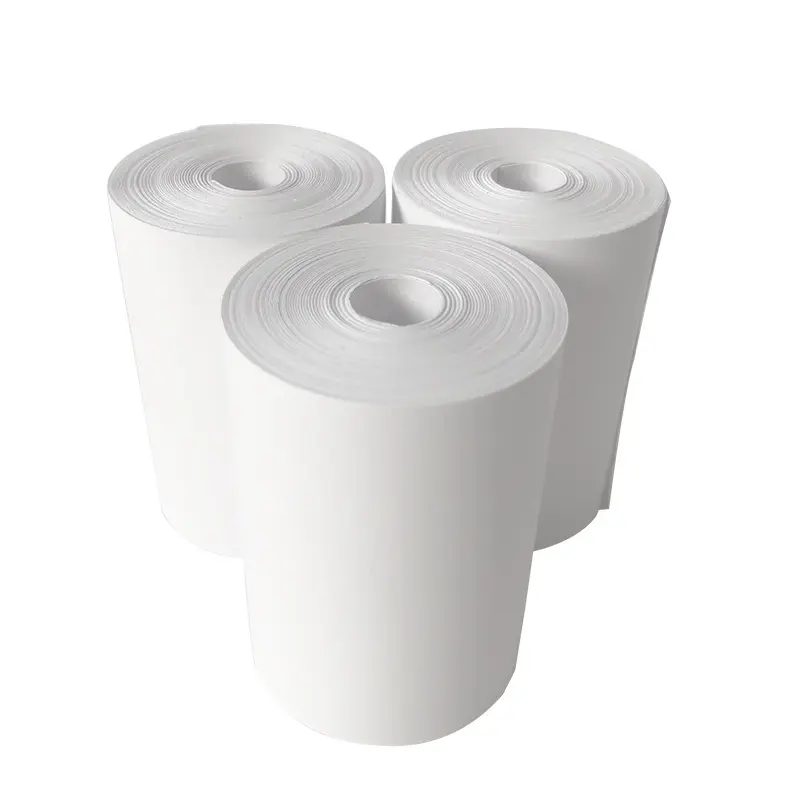
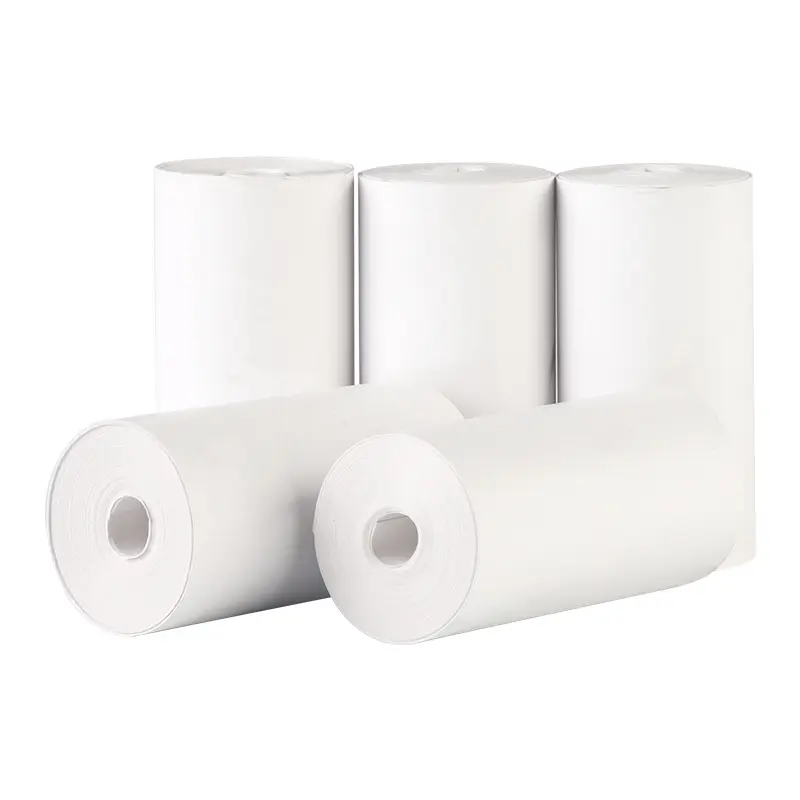
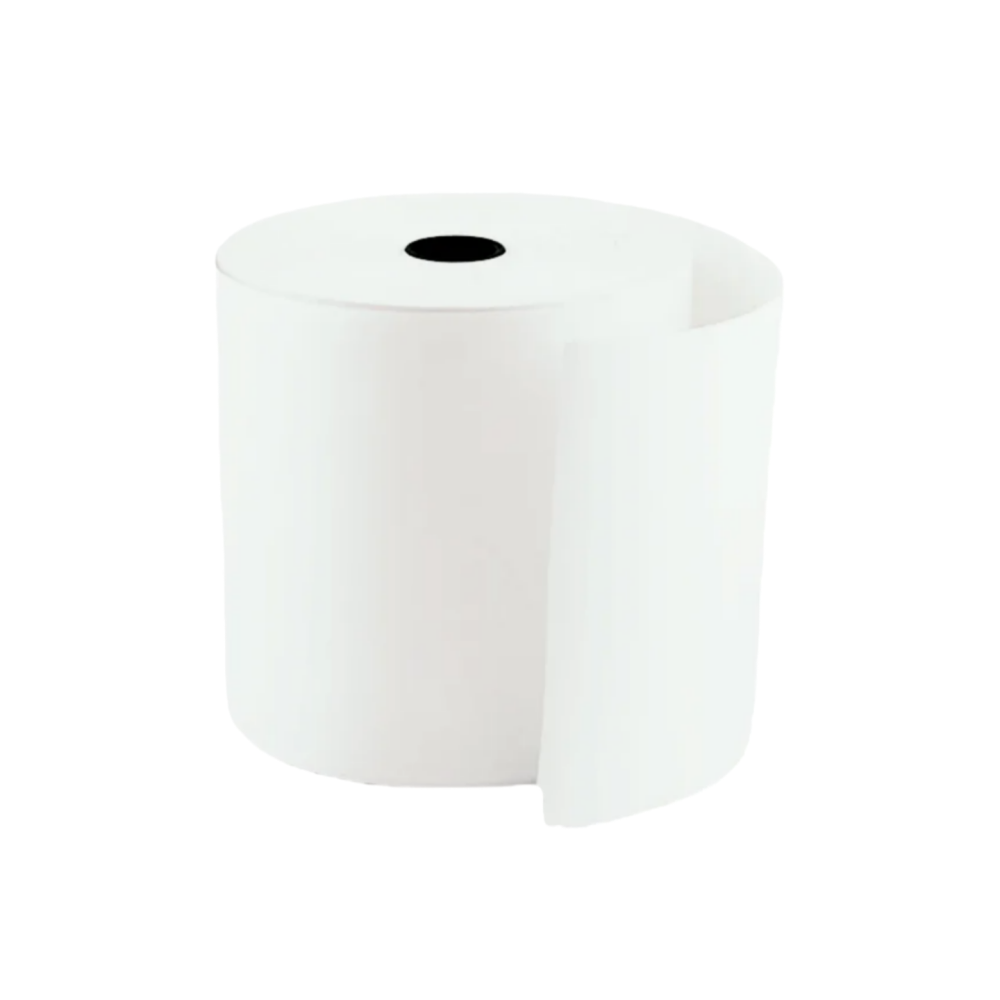
Record the sample identifier and the specification it represents before judging its appearance. The relevant details normally include paper width, permitted roll diameter, core construction, winding direction, intended length or another agreed quantity basis, and the printer application. A quote that says only a nominal width leaves too much room for differences. Two rolls with similar outer dimensions may contain different usable quantities when paper thickness, core size or winding conditions differ.
The sample should also connect to a paper-grade reference and an agreed conversion method. This does not require a supplier to disclose unrelated proprietary information. It requires enough identity to know whether a repeat order is comparable. The thermal paper range is a starting point for selecting the intended category; a catalogue name alone does not define the acceptance limits of a particular order.
Separate A Demonstration Roll From A Production Sample
A carefully prepared demonstration proves less about routine variation than a traceable selection from a normal run. Ask how samples were selected and whether they cover different positions or times within production. The plan should fit the risk and order scale rather than copy an arbitrary sample count. If a supplier cannot explain sample origin, the result can still be useful for an initial printer trial, but it should not be treated as proof of roll consistency.
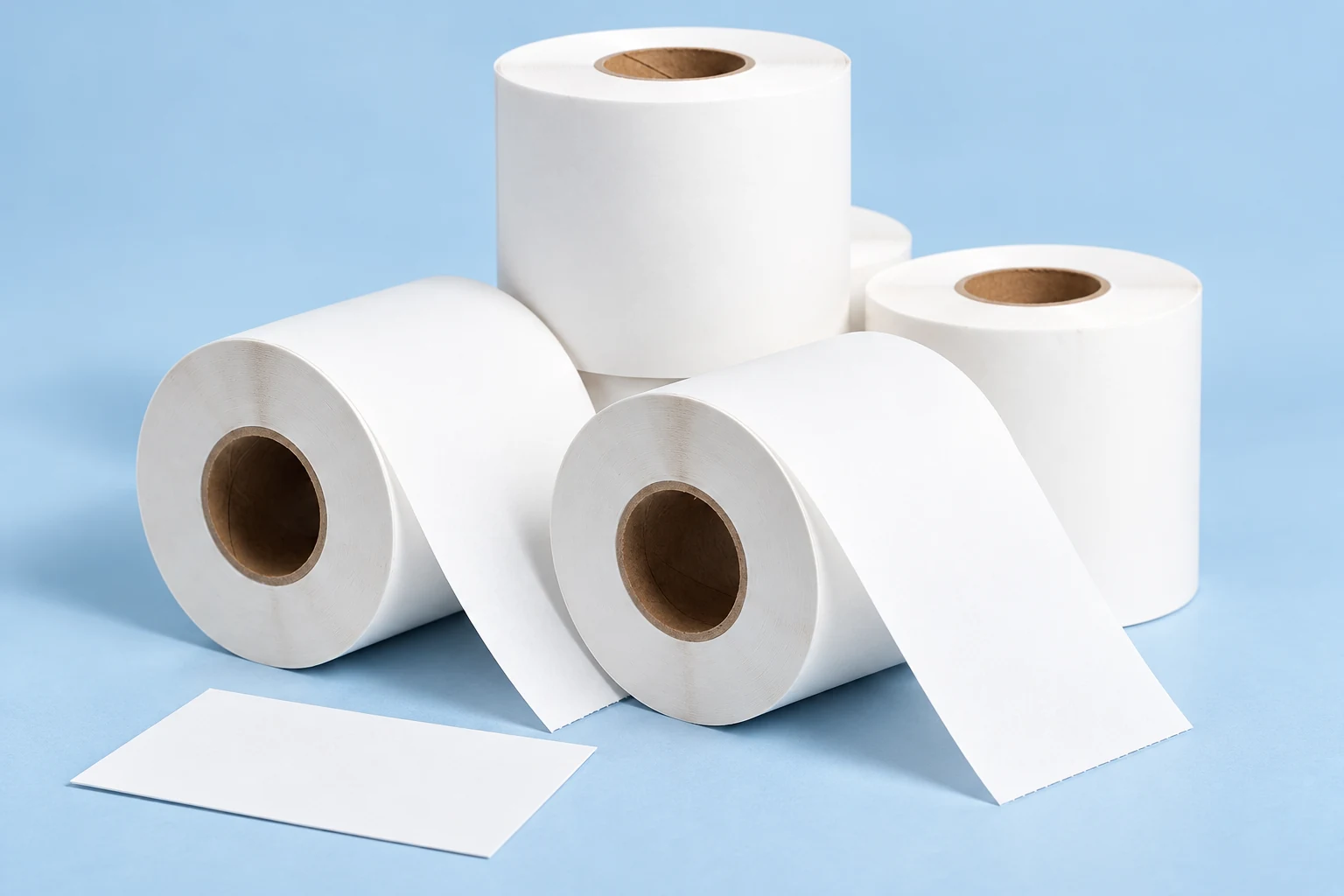
Retaining a mutually identified reference sample can help later discussions, provided its storage condition and purpose are clear. It should not become a substitute for written requirements. A faded or damaged reference may no longer be a reliable visual standard, and an unexplained difference should be investigated against the specification and production evidence.
Look For Controls At The Point Where Variation Begins
Paper Grade And Conversion Are Different Responsibilities
Thermal paper manufacture and conversion into finished rolls are distinct activities. Koehler's product information describes thermal paper supplied in larger formats for subsequent converting. A finished-roll source may perform conversion, coordinate upstream supply or carry out a wider set of operations. Qualification should establish which steps the company controls directly and which depend on another source, without assuming that the word manufacturer describes an identical operating model everywhere.
That boundary matters when a paper grade changes. A converter may maintain dimensions while the imaging response, storage suitability or surface behaviour changes. Ask how a proposed substitution is identified, assessed and communicated before shipment. An equivalent-looking roll is not necessarily an agreed equivalent item. The company profile and factory overview provide context, but the item-specific supply arrangement still needs confirmation.
Slitting And Winding Need Observable Checks
Slitting quality concerns the converted edge, dimensional consistency and debris associated with cutting. Winding controls affect roll shape, tension and how the paper unwinds. Useful evidence might include the approved setup, checks at defined production points, recorded observations and the response to a detected issue. A photograph of equipment establishes neither the adjustment used for an order nor the condition of the resulting rolls.
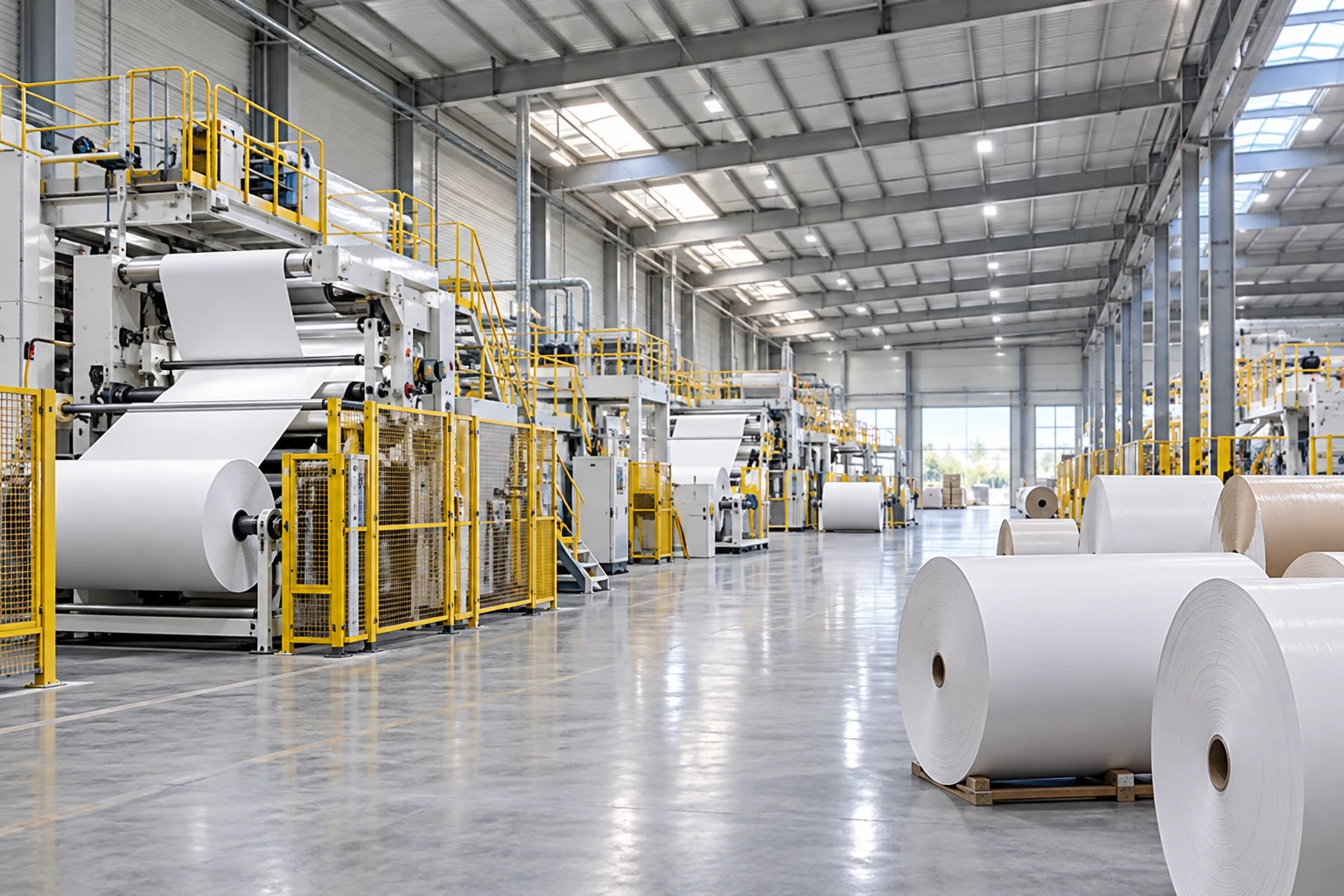
Visible edge damage, telescoping, loose winding or contamination deserves a defined disposition. The supplier should be able to explain how affected material is separated and how the remaining run is assessed. A statement that operators check continuously is less useful than an example showing what they check, how an issue is recorded and who decides whether production can continue.
Test The Roll In The Intended Printing Conditions
Start With The Printer's Own Media Requirements
Use the relevant printer manual to establish the permitted media envelope. Epson's technical reference material is an example of manufacturer-specific guidance; requirements from one model should not be transferred to another without checking. A roll that fits inside the compartment can still be inappropriate if its core, paper route or winding direction does not match the printer. Compatibility should refer to the actual model and configuration being supplied.
For a practical trial, document the printer, settings, paper orientation and test content. Keep the test conditions consistent when comparing samples. If density or speed settings are changed between trials, the difference in the printed result may come from the printer rather than the roll. The purpose is a reproducible observation, not a visually impressive receipt produced under an undocumented favourable setting.
Include The End Of The Roll And Routine Handling
A short print from a full roll misses behaviours that may appear as diameter decreases. Check unwinding, feeding and the agreed end-of-roll treatment through an appropriate portion of the sample. Observe whether the core remains stable, whether the paper separates as expected and whether the printer handles the final usable section. The acceptance plan should define relevant observations without pretending that one trial predicts every operating condition.
Slitting quality can also be examined after realistic handling. Inspect edges before and after the agreed trial, and distinguish a converting defect from damage introduced during unpacking or transport. Where receipts support checkout operations, readable text is only one requirement. Feeding interruptions, avoidable debris and difficult roll changes can affect operational suitability even when the image itself appears acceptable.
Use A Supplier Evidence Matrix Instead Of A General Promise
Match Each Risk To A Specific Record
The following matrix turns broad statements into reviewable questions. It is a qualification framework, not a universal test standard. The final sampling method, tolerances and commercial remedies should be agreed for the specific item. Requirements that cannot be measured or observed consistently are difficult to apply fairly when a delivery is disputed.
| Supply Question | Evidence To Request | Acceptance Discussion |
|---|---|---|
| Will the roll fit and unwind? | Defined dimensions, core and winding details; actual printer trial | Which printer model and operating setup are covered? |
| Will repeat orders use the same input? | Paper-grade identity and substitution procedure | What requires approval before a change? |
| Are converted edges controlled? | Slitting setup and representative inspection observations | How are debris, damage and dimensional variation handled? |
| Can a delivery be traced? | Carton or lot identification linked to production records | Can an affected delivery be isolated without guessing? |
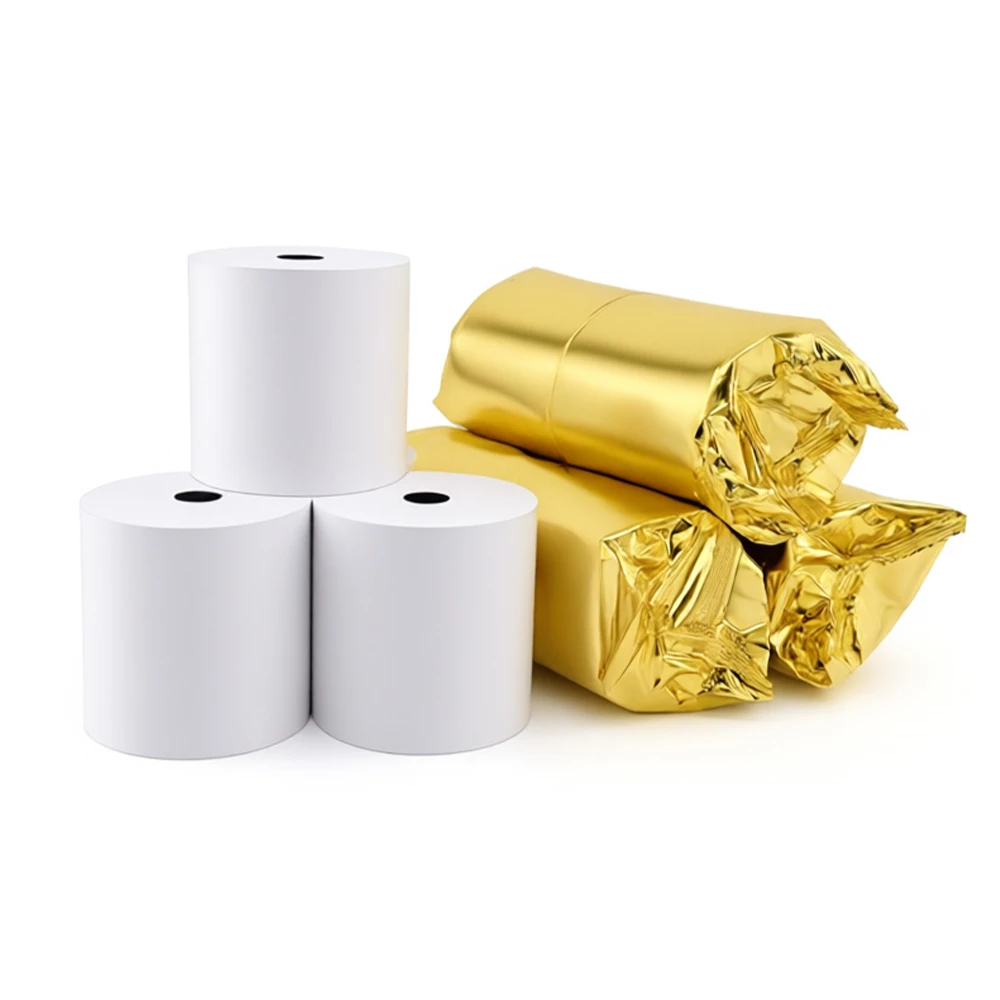
| Will packed goods arrive usable? | Packaging specification and agreed handling conditions | How are moisture, crushing and contamination risks addressed? |
A thermal printer roll manufacturer that answers these questions consistently is easier to assess than one relying on a single broad quality claim. Missing evidence is not automatically proof of poor product, but it changes the confidence available before ordering. The next step may be another defined trial or a narrower initial scope, rather than assuming that an unanswered point is covered by a general certificate.
Continue Qualification Through Delivery And Repeat Orders
Incoming inspection should confirm that the received item matches the agreed specification and identification. Examine packaging condition, lot references and representative rolls using the established plan. Preserve enough evidence to distinguish an isolated damaged carton from a wider product issue. Photographs are useful when they show the relevant feature and its context, rather than only a close-up with no delivery identity.

Thermal paper is sensitive to its environment, so storage and handling instructions should be obtained for the actual grade. Avoid treating a general shelf-life statement as a guarantee under every warehouse or checkout condition. In warm or humid supply chains, the discussion should include how rolls are packed, transported and stored before use. Local conditions are a reason to define the test and handling plan, not a reason to invent a universal performance threshold.

For retail applications, the supermarket use context helps identify practical handling questions: how cartons are opened, where spare rolls are kept and how operators report a problem. Feedback should include the printer model, delivery reference and an example of the affected roll. Without those identifiers, a supplier may be unable to distinguish a product change from a machine or storage issue.
Repeat orders offer a continuing test of roll consistency. Compare agreed observations over time and record approved changes separately from unexplained drift. A change in paper source, core or packaging should remain visible even when the item code is unchanged. Incoming inspection can then focus on the actual risk instead of repeating an identical checklist regardless of what changed.
Frequently Asked Questions
Does A Dark Print Mean The Roll Is High Quality?
It demonstrates an imaging result under the tested conditions. It does not independently establish dimensions, quantity, edge condition, feeding behaviour or suitability for storage. Those questions need their own evidence and should not be inferred from print darkness alone.
Can Outer Diameter Be Used To Compare Roll Quantity?
Only with the other relevant construction details understood. Core size, paper thickness and winding affect the relationship between diameter and usable paper. Compare the agreed quantity basis and its verification method rather than assuming equally sized rolls contain the same amount.
Should Every Order Use The Same Inspection Plan?
The plan should reflect the item, supplier history and changes in the supply arrangement. A newly introduced grade or process change may justify a different level of review. The approach should be documented and agreed, rather than changed after a dispute appears.
What Is The Most Useful Information In A Complaint?
Provide the delivery and lot references, printer model, operating settings, observed defect and representative photographs or retained samples. State how many units were examined and under what conditions, without generalising from a single observation to the whole delivery.
Can A Factory Visit Replace A Printer Trial?
No. A visit can clarify process controls and responsibilities, while a trial examines the proposed media in the intended application. The two provide different evidence. Neither should be presented as a complete substitute for a defined specification and delivery checks.
Before qualifying a thermal printer roll manufacturer, prepare the printer model, roll specification and unresolved acceptance questions. A sample and specification discussion can then focus on the evidence needed for a comparable production item.
 You May Also Like