


 Home
 XBD
 Oct 23,2026

Receipt paper should match the printer's media type, usable width, maximum roll diameter and core requirements before length, color or carton price is compared.
Start With the Printing Mechanism
A roll that fits can still be the wrong material. Direct thermal equipment needs a heat-sensitive surface; impact printing normally uses a ribbon. Identify the mechanism from the model and manual before comparing sizes.
Confirm the Media Type Before Choosing a Roll
The phrase receipt paper describes an end use rather than a single material specification. A white continuous roll, a colored roll and a multipart form may all carry transaction information, but they are not automatically interchangeable. Check whether the existing machine uses a ribbon, which side of the roll faces the printhead and whether its media path is designed for continuous paper. Record these observations alongside the manufacturer's media guidance.
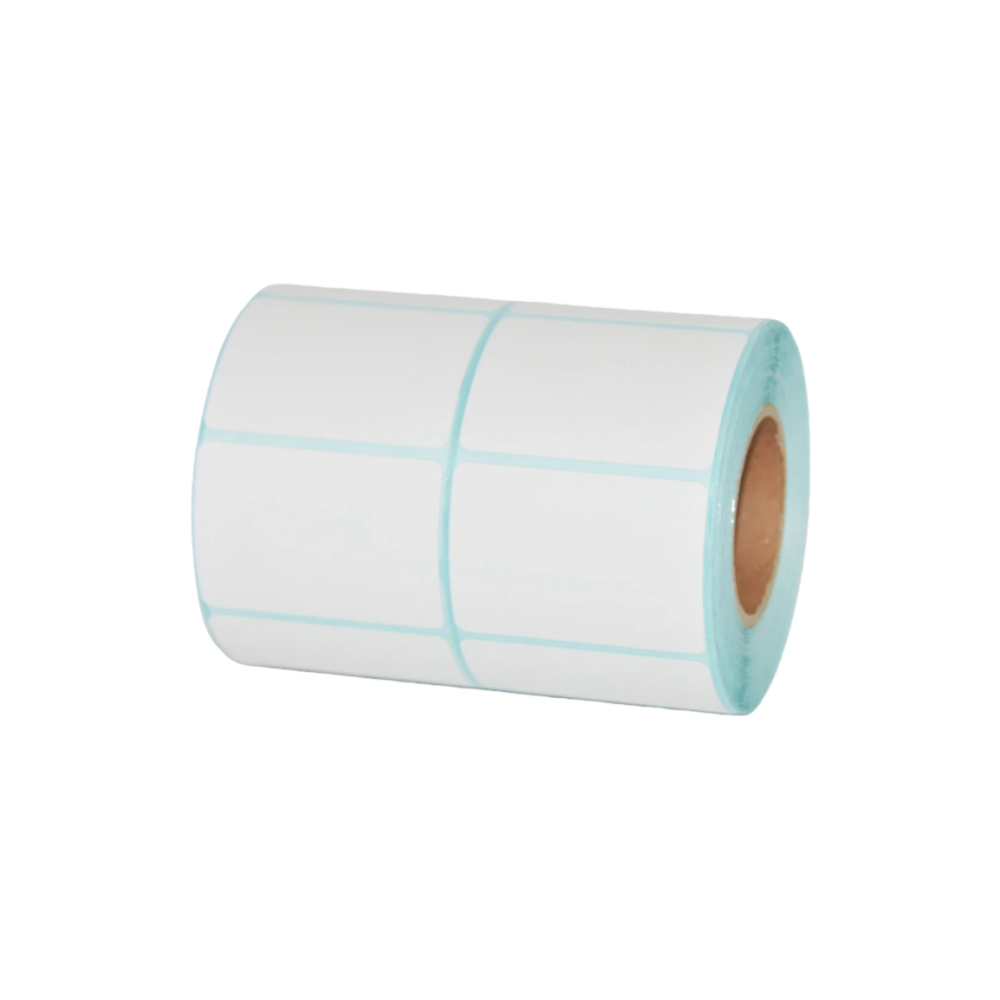
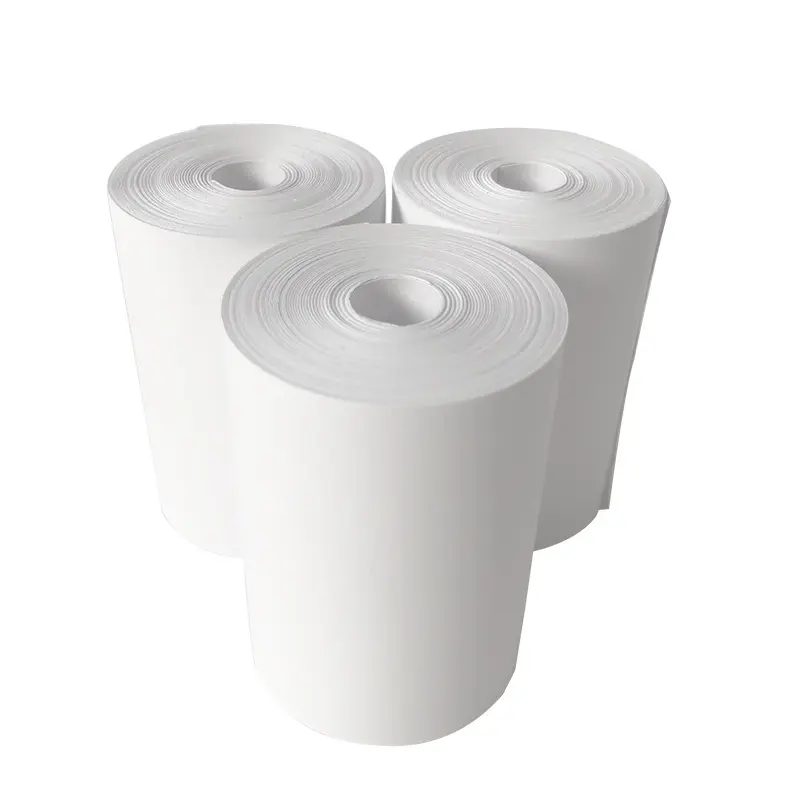
The site's continuous thermal receipt range lists several roll sizes and customizable colors. Those catalogue choices establish available formats, not approval for every machine. A short list should identify the exact paper grade and winding direction offered for the intended device. If a seller gives only a printer-family name, clarify the actual model and configuration rather than assuming all models share the same holder.
Separate Width, Outside Diameter and Core Size
Thermal roll dimensions describe different physical constraints. Width governs lateral fit; outside diameter governs clearance in the compartment; the core governs support and unwinding where the printer uses a spindle. A two-number catalogue description cannot reliably answer all three questions. Write the dimensions with units and definitions instead of relying on the order of numbers in a product name.
Use the Printer's Tolerance Instead of a Rounded Category Name
Commercial names such as 57 mm, 58 mm or 80 mm are useful catalogue filters, but the accepted paper width can include a specific tolerance. As a model-specific example, Epson's TM-T20III documentation specifies 79.5 ± 0.5 mm or 57.5 ± 0.5 mm paper, with a maximum roll diameter of 83 mm. This is an example of how to read a manual, not a universal specification for other printers or evidence that every listed roll is approved.
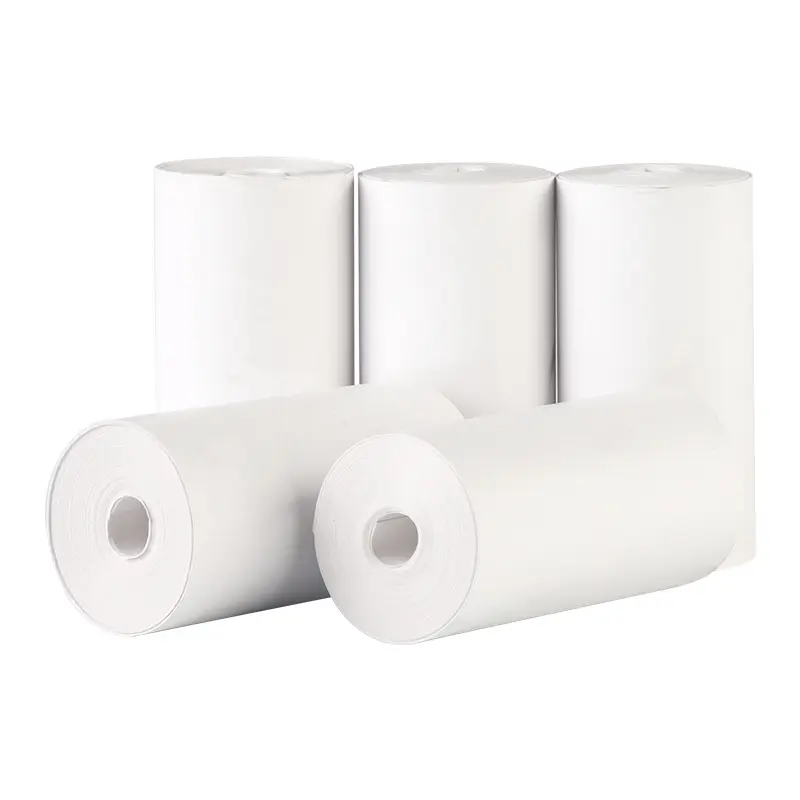
Record the permitted width and roll diameter independently, including any spacer or guide needed for a narrower configuration. A sample that requires pressure to close the compartment is not an acceptable fit check. The site's 57 mm roll listing can provide a starting format, while the machine manual and physical sample determine whether that format is suitable.
Distinguish the Core Opening From the Wound Roll
Core inside diameter, core outside diameter and the finished roll's outside diameter are different measurements. A larger core can reduce available paper even when two rolls look equally full. Coreless constructions require their own handling assessment; they should not be substituted solely because they appear to save material. Check support, unwinding and end-of-roll behavior in the actual printer, particularly when a terminal runs unattended.
| Specification | What to Record | How to Confirm It | What Appearance Cannot Prove |
|---|---|---|---|
| Paper width | Nominal value, tolerance and unit | Printer manual plus measured samples | A familiar size name guarantees lateral fit |
| Outside diameter | Maximum wound diameter permitted | Compartment clearance with the cover closed | A large-looking roll fits every terminal |
| Core construction | Inside and outside diameters, material or coreless format | Holder fit and a full unwind trial | All hollow centers behave identically |
| Paper thickness | Grade value and allowed range | Supplier data and a suitable measurement method | Equal diameter means equal usable length |
| Coated side | Required winding direction | Loading check and sample print | Both white surfaces react the same way |
| Pack quantity | Rolls per inner pack and carton | Approved packing list and receiving count | A display photograph is a stock count |
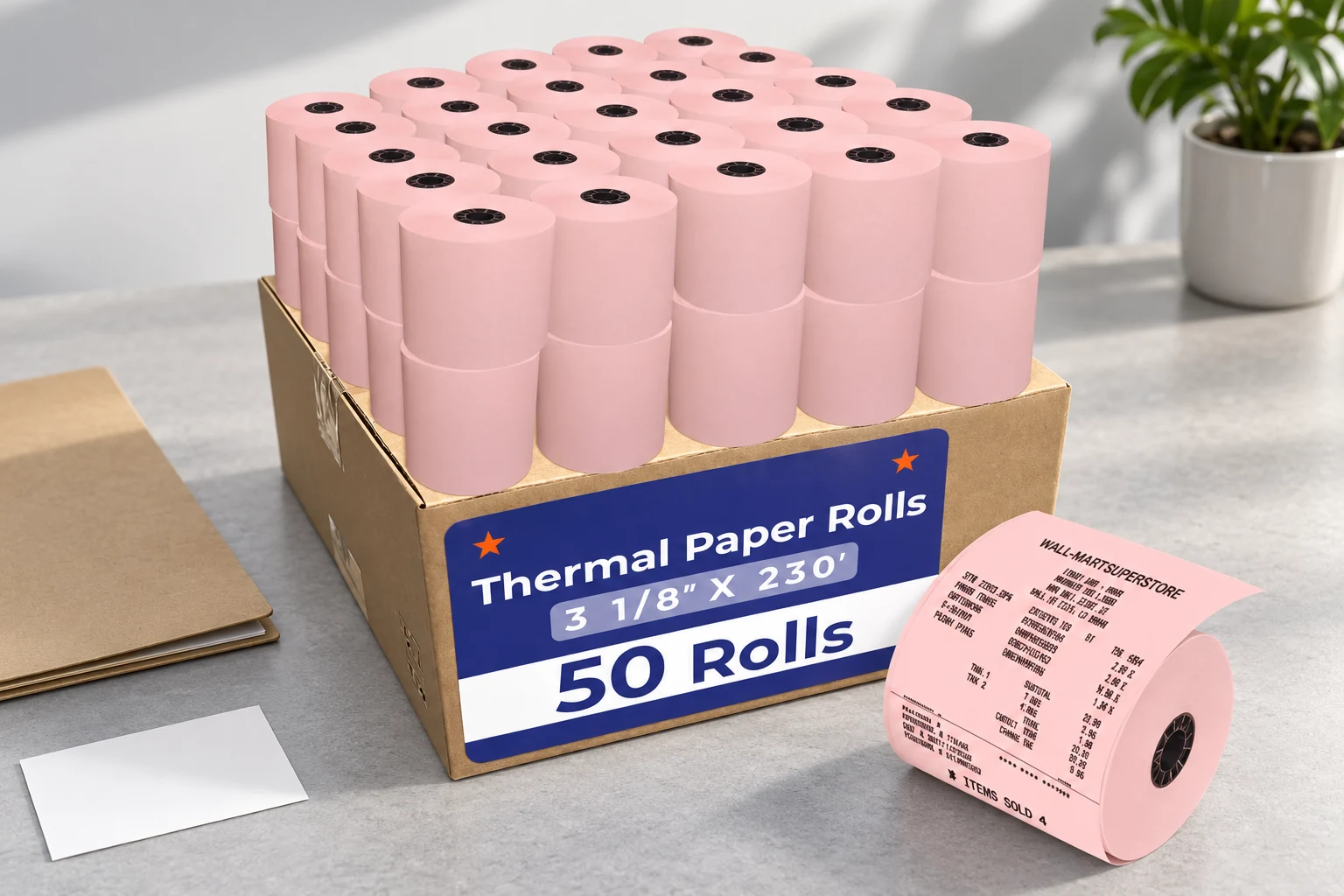
Compare Usable Length on the Same Basis
A low price per roll is not a complete comparison when roll length, core size or paper grade differs. Receipt paper can be quoted by roll, inner pack or carton, so normalize both the purchase unit and the usable media quantity. A fair comparison also retains the same technical requirements; a cheaper roll that introduces reloads, misfeeds or unreadable output is not equivalent merely because its width matches.
Keep Grammage and Thickness as Separate Fields
Grammage expresses mass per unit area, usually in grams per square metre. Paper thickness expresses a physical dimension, commonly in micrometres. These quantities are related to construction but are not interchangeable. Two grades with the same grammage can differ in coating and structure, so length should not be calculated from a grammage number alone. Ask for the declared length and its tolerance, then agree how a sample will be checked.
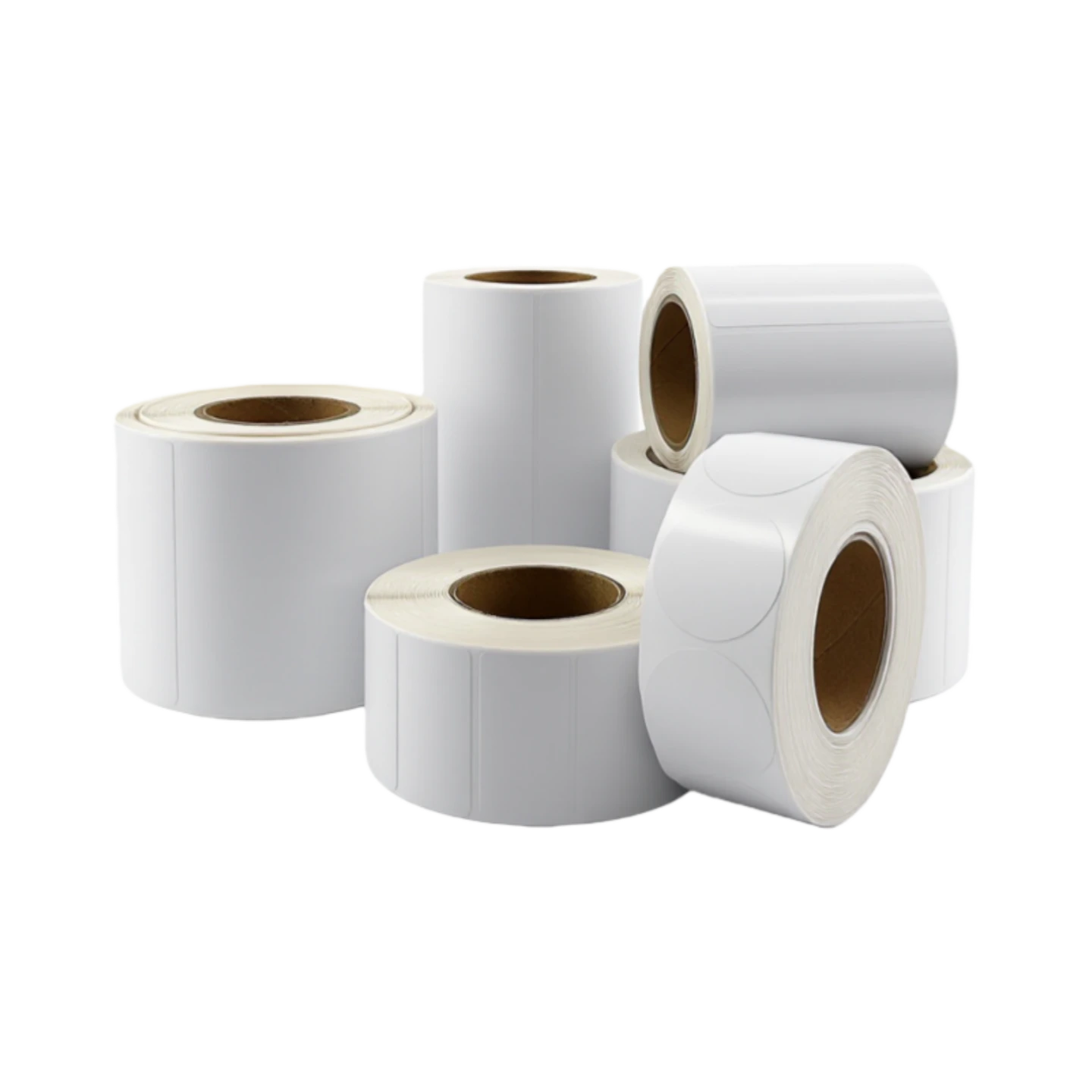
For identical wound diameter and core size, a thicker sheet generally leaves room for less length. This geometric observation does not establish an actual shipment's meterage because winding tightness and measurement conditions matter. The coreless thermal-roll page lists multiple grammage options, illustrating why a format description should be tied to one approved grade rather than treated as a complete specification.
Calculate Cost From Accepted Media, Not Carton Appearance
Compare quotations using the same declared length and packaging quantity. Resolve an offer that states only diameter before calculating savings. Include transport and rejected material in the cost basis. Transactions per roll also depend on receipt length, cut spacing and software margins.

Qualify Printing on the Actual Equipment
Print compatibility is demonstrated with a controlled sample trial, not a broad promise that a roll works with most machines. Use the printer, software template and normal operating settings that will be deployed. Record the paper identification before starting, then preserve representative outputs so the purchasing decision can be traced to a specific candidate and test condition.
Separate Feeding Problems From Imaging Problems
Begin with loading direction, guide position and free movement of the roll. Observe starts, stops, cutting and behavior as the roll becomes smaller. A mechanical feed issue may involve dimensions or winding rather than the coating itself. Conversely, faint output can involve media orientation, printer settings or head condition. Change one factor at a time so the result identifies a cause instead of mixing several explanations.
Use text sizes, symbols and barcodes that appear in real transactions. Check legibility and, where codes are required, scan them with the intended reader. A photograph of dark printing is not a scanner test. Preserve any failed sample alongside its printer settings and batch reference; a corrected result is useful only when the change responsible for the improvement is known. Follow the equipment maker's cleaning and adjustment instructions.
Define an Acceptance Record Before Comparing Samples
A simple record should name the printer model, software template, paper grade, thermal roll dimensions, trial date and observations. Add the agreed pass conditions for feeding, cutting and readable content. The record need not claim laboratory precision, but it must distinguish an observed fact from an impression. For example, “cover closed freely with this sample” is more useful than “good quality,” because it describes an actual check.
- Identify each candidate and keep its label or supplier sample reference.
- Use the same printer setup and receipt content for the comparison.
- Run enough material to observe normal reload and end-of-roll handling.
- Separate any printer maintenance issue from the paper evaluation.
- Retain approved and rejected outputs with concise reasons.

Include Storage and Delivery in the Specification
The approved receipt paper must reach the printer in a condition comparable with the trial sample. Thermal media is sensitive to its environment, so packaging and handling belong in the purchase discussion. Hot vehicles, bright windows, damp stores and contact with unsuitable chemicals can undermine a material that performed well when first opened. Set the conditions from the selected grade's guidance.
Protect Both Unprinted Rolls and Printed Records
Jujo Thermal's handling guidance identifies sunlight, heat, humidity, certain solvents and plasticizers as relevant risks. Its numerical storage recommendations apply to its own papers and should not be transferred automatically to an unidentified grade. Obtain the offered material's storage limits and retention conditions, then compare them with the actual route from delivery to use. An image-life claim needs stated conditions and a defined paper grade.
Keep rolls in protective packaging, identify batches and rotate stock according to its documented shelf life. Separate stock from heat and cleaning chemicals. Printed records may need additional protection; an unspecified durability claim does not establish an archive policy.
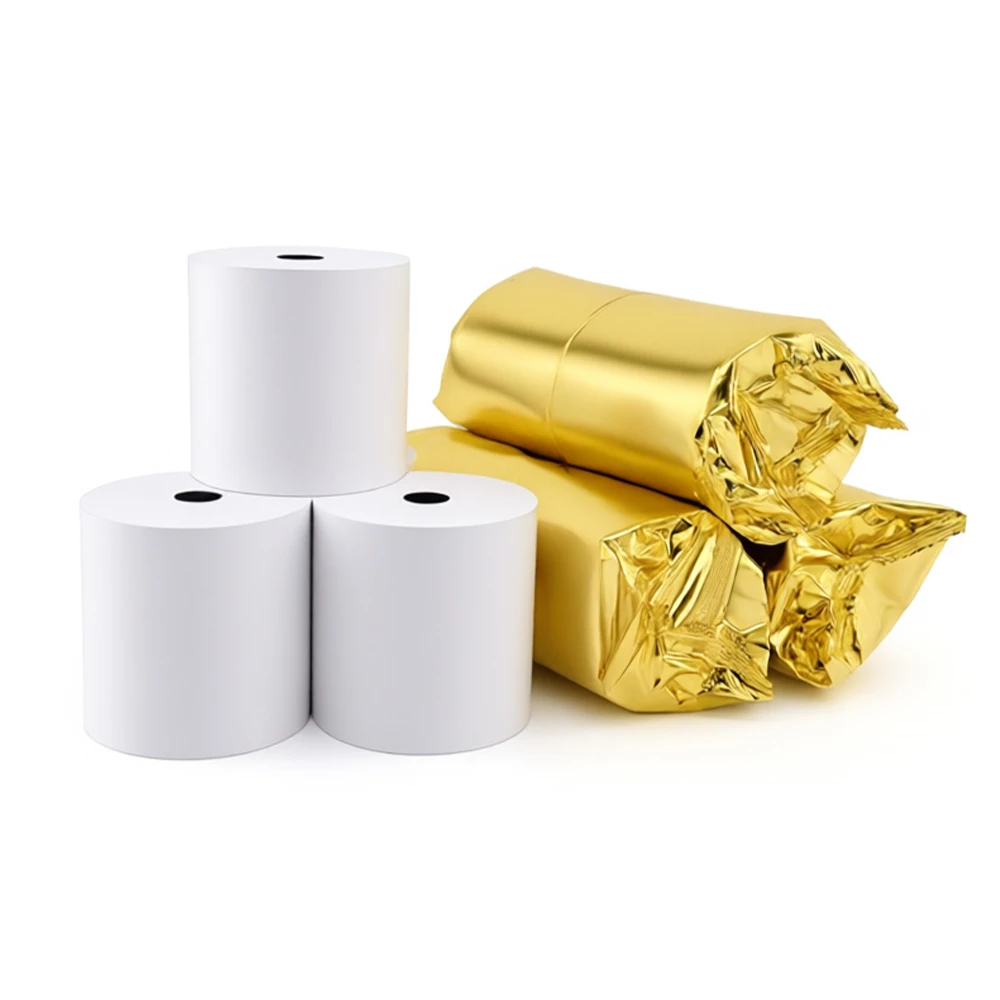
At receiving, inspect cartons for crushing or moisture, check the supplied format against the approved reference and isolate a discrepancy before opening the full delivery. The site's colored thermal-paper option illustrates another variable to control: a color change should retain a clear grade identity and receive its own relevant output checks. Color alone proves neither durability nor suitability.

Turn the Shortlist Into an Unambiguous Approval
The useful outcome combines paper type, width tolerance, maximum diameter, core, length, grade and pack quantity in one approval record. A thermal receipt-roll catalogue entry should be translated into these explicit fields before approval. Attach sample observations and identify unresolved points. Keep packaging artwork separate from technical acceptance so a revision cannot silently authorize a different paper.
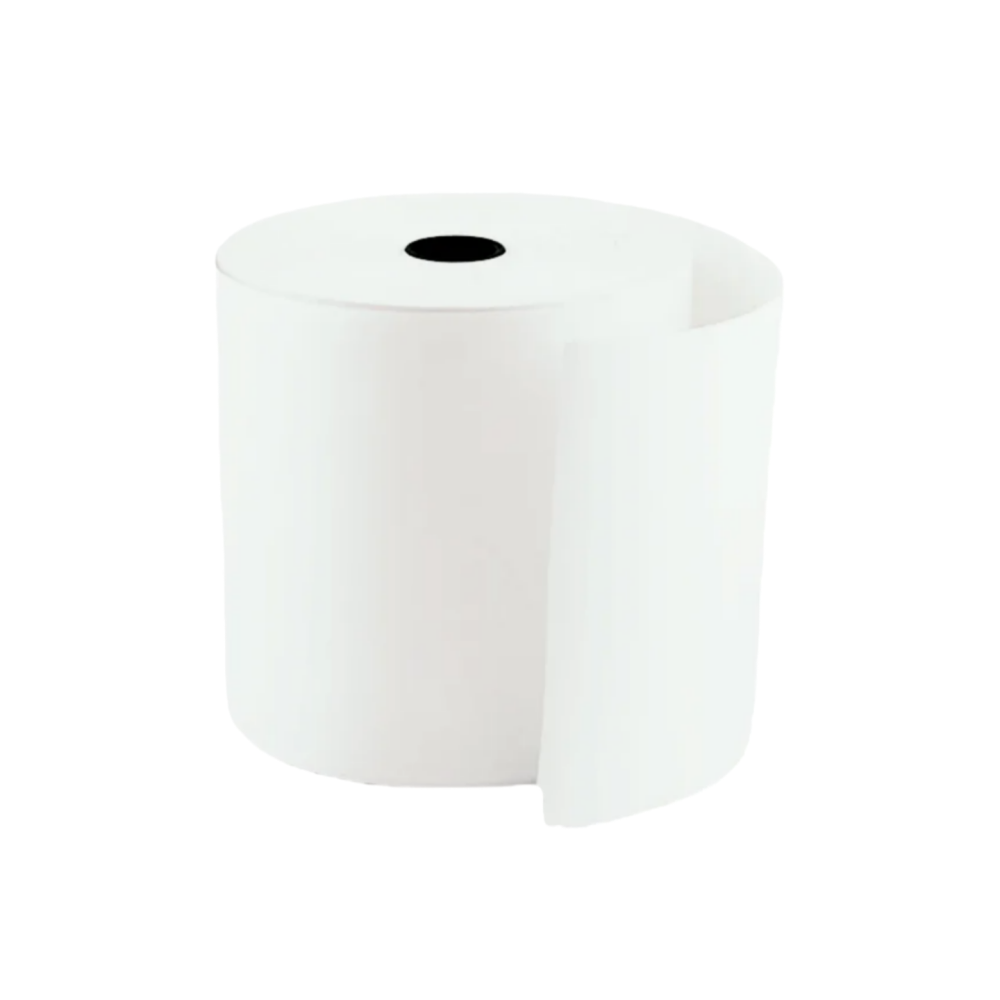
A listed 80 mm thermal format is a candidate for this record, not a universal approval.
Frequently Asked Questions
Does an 80 mm Name Mean Every 80 mm Roll Will Fit?
No. A nominal width does not define the permitted tolerance, roll diameter or core arrangement. Read the actual printer manual, then confirm the offered roll against those limits. A familiar name is a search aid, not a substitute for a specification.
Can Coreless Rolls Replace Rolls With a Tube?
Only after the printer's support and unwinding requirements have been checked. Coreless stock may behave differently during loading or near the end of a roll. Evaluate the actual sample rather than assuming that removal of a core changes nothing else.
Is a Higher Grammage Always Better?
No. Grammage does not independently establish imaging performance, accepted thickness or usable length. The appropriate grade is the one that meets the printer and record requirements. Compare samples under the same conditions instead of treating a heavier sheet as a universal upgrade.
Can a Product Photo Prove a Barcode Will Scan?
No. A sample graphic can illustrate a printed format but cannot demonstrate real scanning performance. Use the actual printer output, code settings and intended scanner. Record that trial separately from the visual assessment of the paper packaging.
What Should Be Checked When a Repeat Order Changes?
Identify the changed field first. A change in grade, coating, width, thickness or core can affect operation; a pack-count change affects purchasing and receiving. Update the approval record and repeat the checks affected by that change before treating the new supply as equivalent.
Keep the printer requirements, approved receipt paper and sample result together. Those records support a repeat purchase more reliably than nominal size, a product photograph or price alone.
 You May Also Like