


 Home
 XBD
 Oct 17,2026

A till roll supplier is easier to evaluate when the approved sample, production lot and delivered carton can be connected through clear records.
A smooth first order does not establish a dependable supply arrangement. The useful question is whether the next delivery can be checked against the same agreement, even after a staff change, a paper-source change or a complaint from a different store. An audit should follow one identifiable order from request to receipt and then test how an exception would be handled. That produces stronger evidence than a long collection of unrelated photographs and certificates.
Start With One Order That Can Be Reconstructed
Separate The Seller, Converter And Paper Source
A supplier may sell stock made elsewhere, convert large paper reels into finished rolls, arrange printing, or combine these roles. Each arrangement can work, but the record must identify who controls each step. Ask which company accepts the order, which site converts it, and which party retains production and complaint information. A trading role is not itself a defect; an unexplained responsibility gap is the issue.
The site's company profile is a starting point for identifying the business, while the commercial documents establish the contracting party. Compare names and addresses without assuming that a shared brand proves shared ownership. If a third party performs a critical operation, establish how questions reach that party and who remains responsible for answering the buyer.
Use A Single Order Reference Across The File
Choose an example order and connect its enquiry, quotation, approved sample, packing instruction and delivery record. The references need not all have the same format, but the relationship must be intelligible. A photograph of stock without an order or lot identifier cannot show which customer received it. Request redacted examples where confidentiality prevents disclosure of another buyer's details.
Make The Approved Roll Specification Testable
Record Dimensions As Separate Requirements
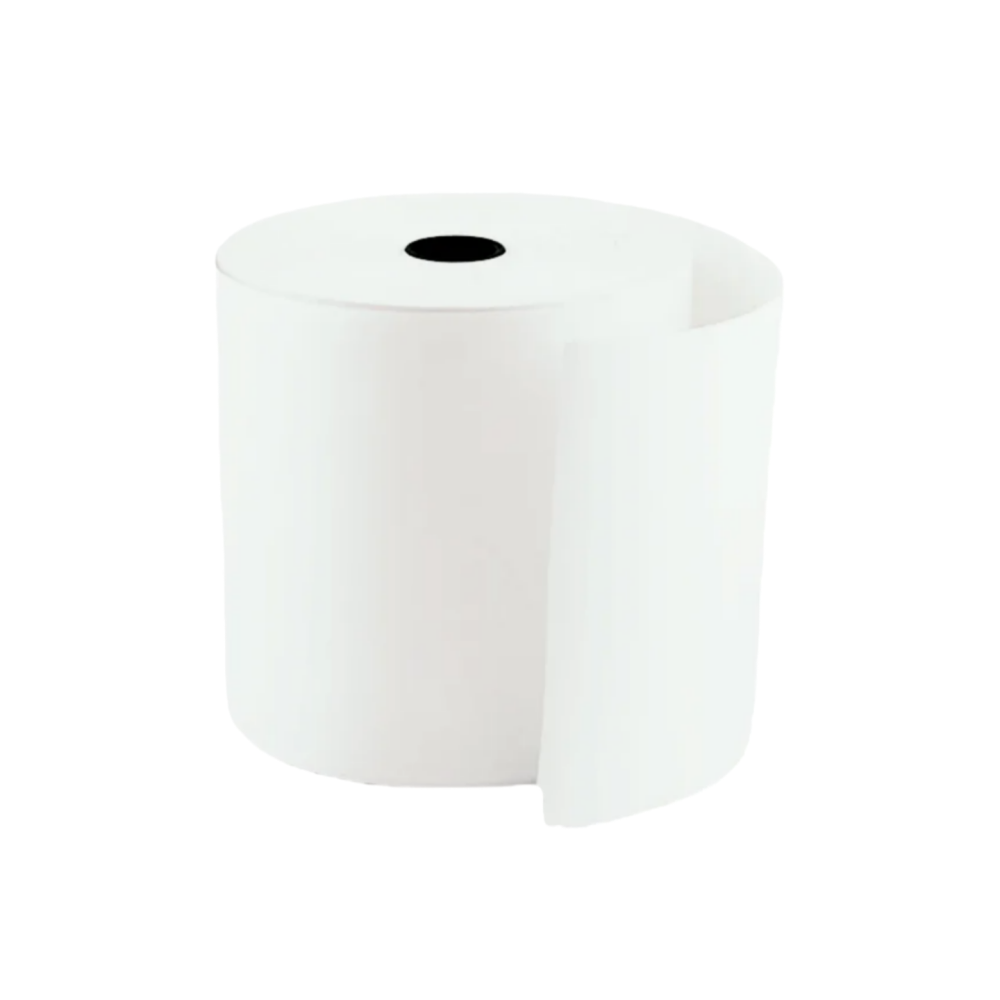
Width, outside diameter, core opening and winding arrangement answer different compatibility questions. A roll can fit across a printer but still be too large for the cover to close. Likewise, the same outside diameter can contain a different paper length when thickness or core geometry changes. The roll specification should therefore identify the dimensions and tolerances that matter to the actual equipment.
Printer documentation is the appropriate starting point for mechanical limits. An Epson model's published paper requirements are evidence for that model, not a universal till-roll standard. Where stores operate mixed equipment, keep the machine model with the approved stock reference. Do not turn a familiar trade description into an exact dimensional guarantee without checking what the supplier means.

Distinguish Paper Identity From Packaging Appearance
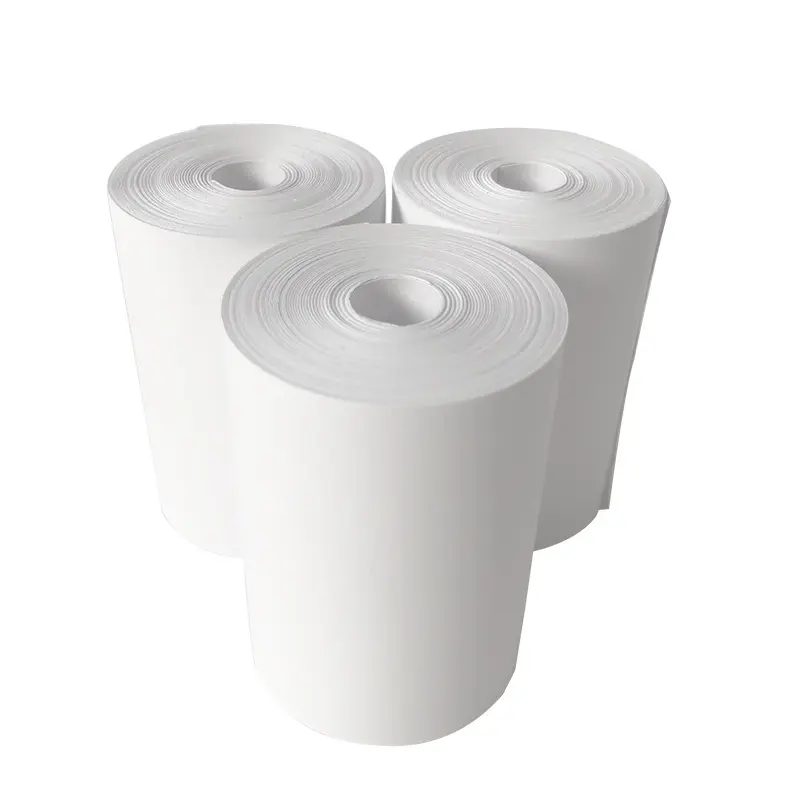
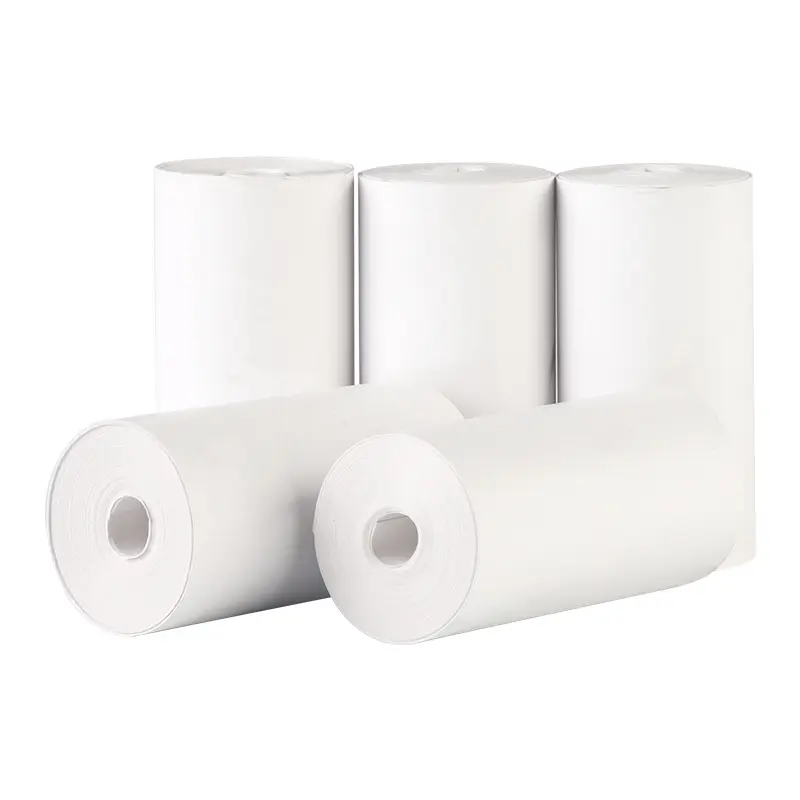
Plain white rolls can look alike while using different paper grades or coatings. Record the agreed material description and the supplier's supporting identification. Where a chemical or durability statement matters, ask for evidence that applies to the specific paper being offered. An attractive carton or a generic certificate image does not connect a claim to an individual production lot.
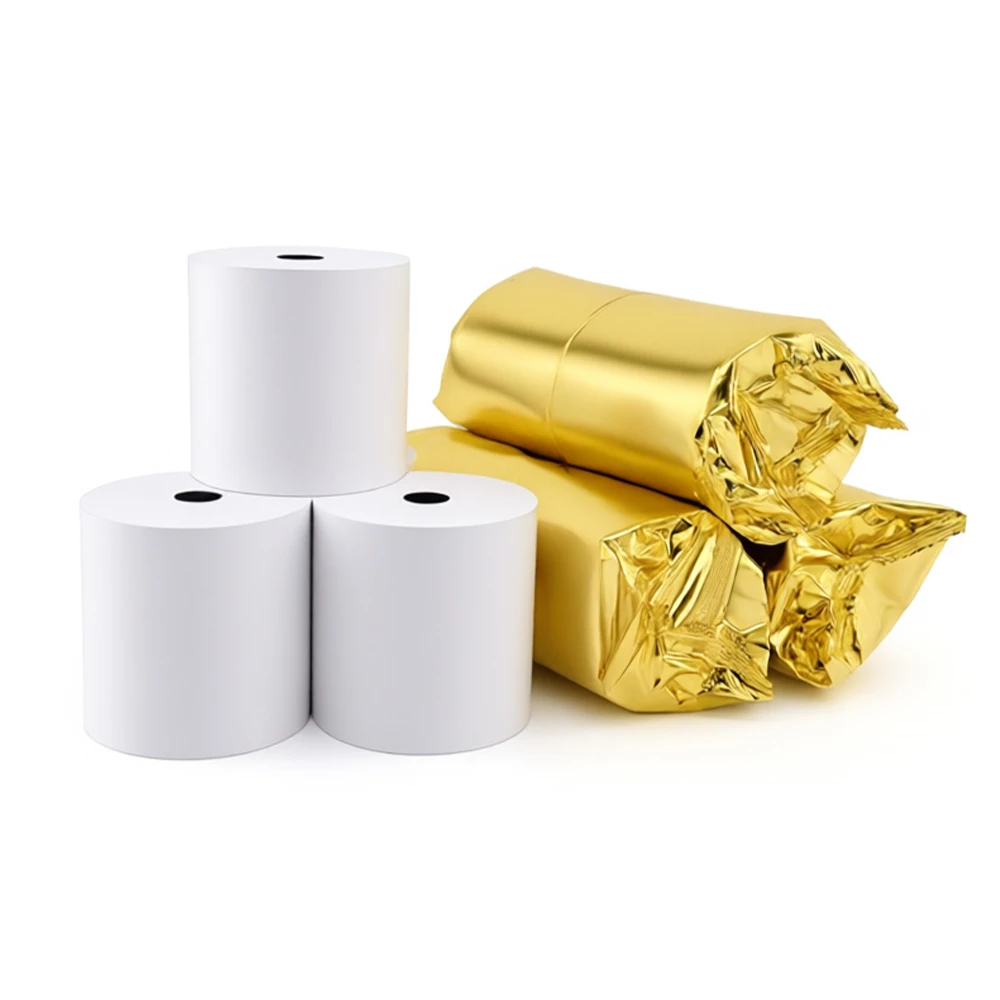
A useful roll specification also describes the carton count, protection, label information and any printing or end-of-roll mark. Keep optional features separate from requirements. This prevents a quotation from appearing equivalent because its roll dimensions match while a needed packing arrangement is absent. If a feature is not required, avoid adding it simply because another supplier includes it.
Follow The Material Through Converting And Packing
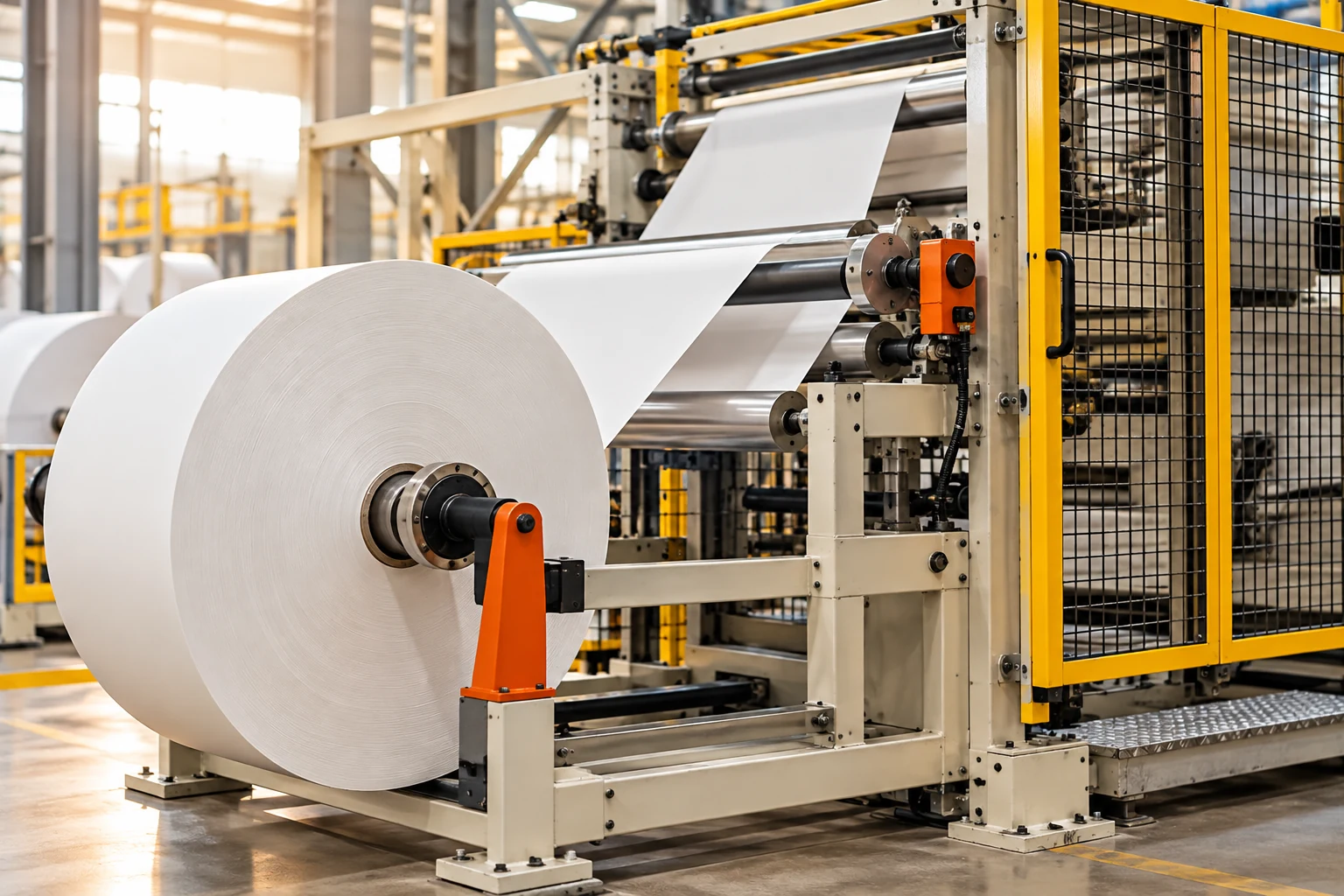
The public factory page provides process context, but a supplier audit needs order-linked evidence. Photographs can help explain equipment and workflow; they cannot establish current output, inspection coverage or whether the selected order passed its checks. Ask how the converter associates incoming parent paper with the finished rolls and how that association survives packing.
Check The Link Between Incoming Material And Finished Lots
Lot traceability should be specific enough to locate affected stock when a problem is reported. A practical example follows an incoming material reference through a conversion record to the carton or shipment identifier. If several inputs are combined, the supplier should explain how those connections are retained. The buyer does not need access to every internal system to understand the traceability route.
Ask How Checks Are Recorded, Not Just Whether They Occur
Inspection evidence should identify what was checked, how the sample was chosen and what happened when a result did not match the agreement. A statement that every order is checked leaves these questions open. Depending on the product and agreement, relevant observations may include dimensions, roll condition, print response, winding, counting and carton identification. The method should match the risk being controlled.
Discuss how the supplier prevents unapproved material or incorrect labels from entering a finished order. The answer may involve separated stock, controlled instructions or another documented system. Evaluate the actual method rather than insisting on a particular software package. A modest, consistently used record can be more useful than a sophisticated display that cannot retrieve the requested order. Further context is available in the thermal paper catalogue.
Use A Small Evidence Table To Compare Suppliers
When evaluating a till roll supplier, compare the same evidence requests across candidates. Keep commercial attractiveness separate from unresolved technical or delivery questions. A low price does not explain an ambiguous paper description, and a detailed factory presentation does not establish the lead time for a specific order. Mark each point confirmed, conditional or unanswered, with a named next step.
| Evidence Item | What It Should Establish | Useful Follow-Up |
|---|---|---|
| Approved sample and revision | The appearance and agreed characteristics being supplied | Who authorizes a replacement sample? |
| Roll specification | Separate size, material and packing requirements | Which tolerances and printer models apply? |
| Conversion and inspection reference | The connection between paper input and finished order | Can an exception and its disposition be retrieved? |
| Carton and delivery record | What was dispatched and how it can be identified | Does the receiving team see the same reference? |
| Complaint example | How facts are collected and a decision communicated | Who controls containment and replacement approval? |
This table is an evaluation structure, not a certification checklist or a pass mark. A supplier may reasonably provide some documents only after the product and order are defined. Record that condition rather than calling the evidence complete. Conversely, avoid demanding confidential customer information when a redacted example can demonstrate the same process.
Test Delivery Control And The Complaint Route
A delivery record should connect the agreed quantity and packing arrangement to the shipment received. Ask how cartons are marked, what accompanies a split shipment and how an amended dispatch date is communicated. A statement of available capacity does not confirm that materials, artwork or transport have been reserved for the buyer's order. Separate planned dates from completed events.

When a receipt is faint, inconsistent or difficult to feed, collect the equipment model, stock identifier, loading direction and observed conditions before assigning cause. The site's supermarket application page illustrates one use environment, but actual store conditions and machine instructions remain the relevant evidence. A printer setting, unsuitable stock or storage exposure may require different responses.

Agree who acknowledges a complaint, what evidence is requested and who decides whether more stock should be held. Do not invent a universal response-time promise: the buyer and supplier need a realistic written arrangement. A replacement shipment may resolve an immediate shortage while the cause remains under review; record those as separate outcomes rather than treating replacement as proof that the investigation is complete.
Finish With An Evidence-Based Trial Decision
Before expanding an order, summarize what the trial established and what remains uncertain. A sample run may show compatibility with one printer and one operating condition; it does not validate every store, storage period or paper claim. Define the next check around the unresolved question instead of repeating the same easy test. Preserve the sample identity so a later comparison has a stable reference.
For a till roll supplier, a controlled trial also clarifies communication. Note whether questions reached the correct person, whether revised instructions were acknowledged and whether the delivery record matched the receipt. These observations support a cooperation decision without asserting future performance. They are especially useful when purchasing and store operations are handled by different teams.
Approval is a decision about a defined product and evidence set. Keep unverified assumptions visible, and do not let a successful first delivery silently broaden the agreement.
Frequently Asked Questions
Is A Factory Photograph Enough To Verify The Supplier?
No. It can explain the claimed process, but it does not establish ownership, current capacity or order performance. Match the contracting identity with appropriate business information, then examine order-linked production, inspection and delivery evidence.
Should Every Printer Use The Same Roll?
Only if the selected stock meets each printer's requirements and the intended use has been checked. Width alone is insufficient; outside diameter, core arrangement and other media requirements may differ between models.
What If The Supplier Cannot Share A Full Production File?
Ask whether a redacted example or a controlled review can establish the required link. The goal is to understand responsibility and traceability, not to obtain another customer's confidential information. Record any remaining limitation.
Does A Sample Print Prove Long-Term Receipt Durability?
No. A sample shows performance under the conditions in which it was produced and reviewed. Longer-term durability claims require appropriate paper-specific evidence and relevant storage or exposure conditions, rather than extrapolation from one receipt.
When Is It Sensible To Place A Larger Order?
When the approved identity, acceptance criteria, packing arrangement, outstanding conditions and complaint route are clear enough for the buyer's needs. Commercial decisions should reflect the unresolved risks as well as the observed trial results.
For a focused supplier discussion, share the printer models, required roll characteristics and the records needed for receiving and complaint handling through the contact page, then confirm the agreed scope in writing.
 You May Also Like