


 Home
Home XBD
XBD  Aug 05,2026
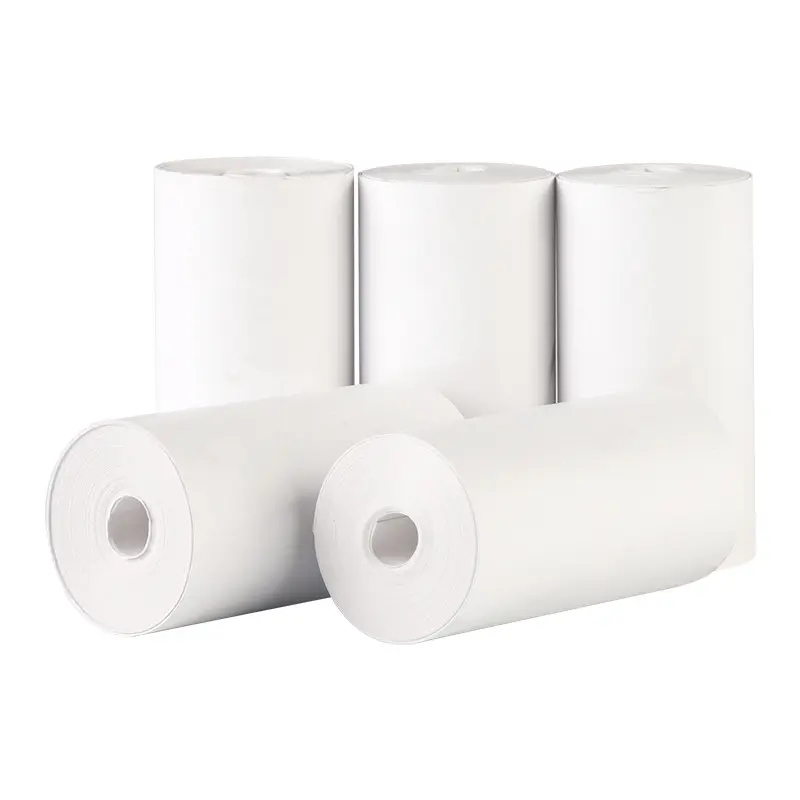
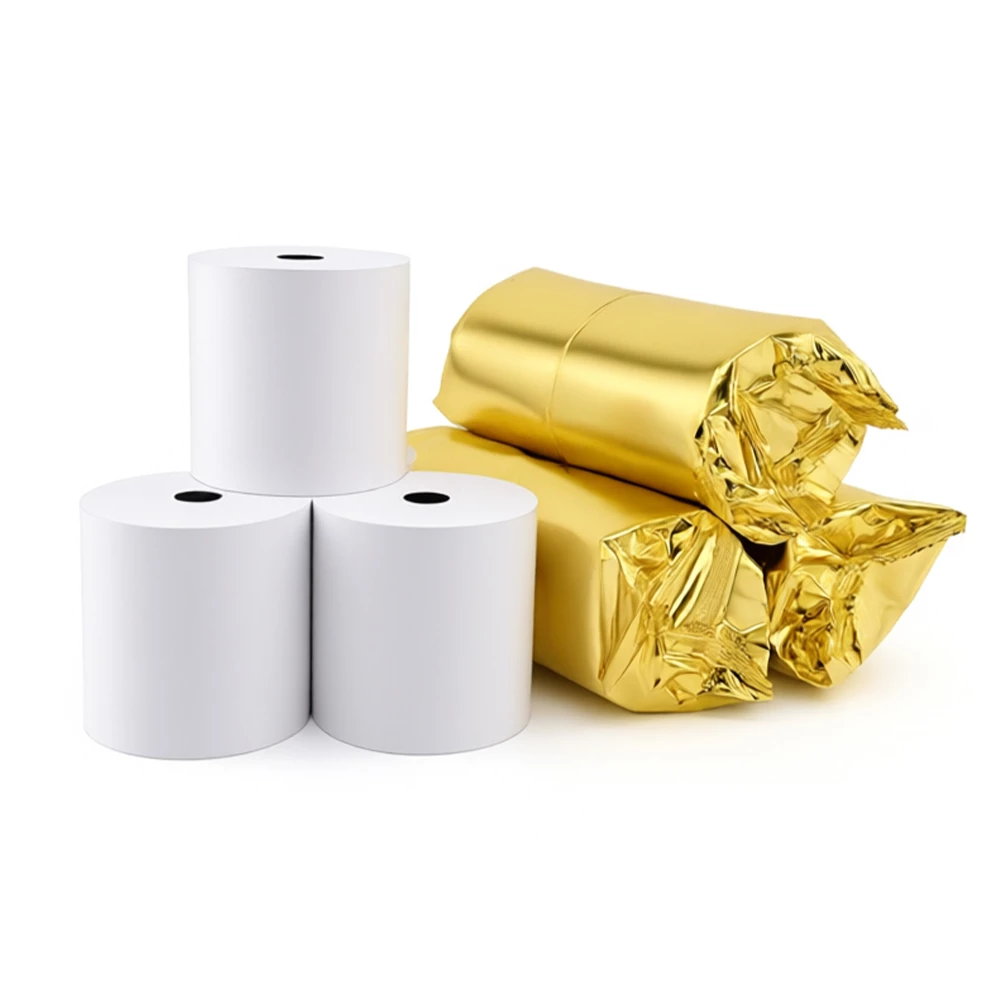
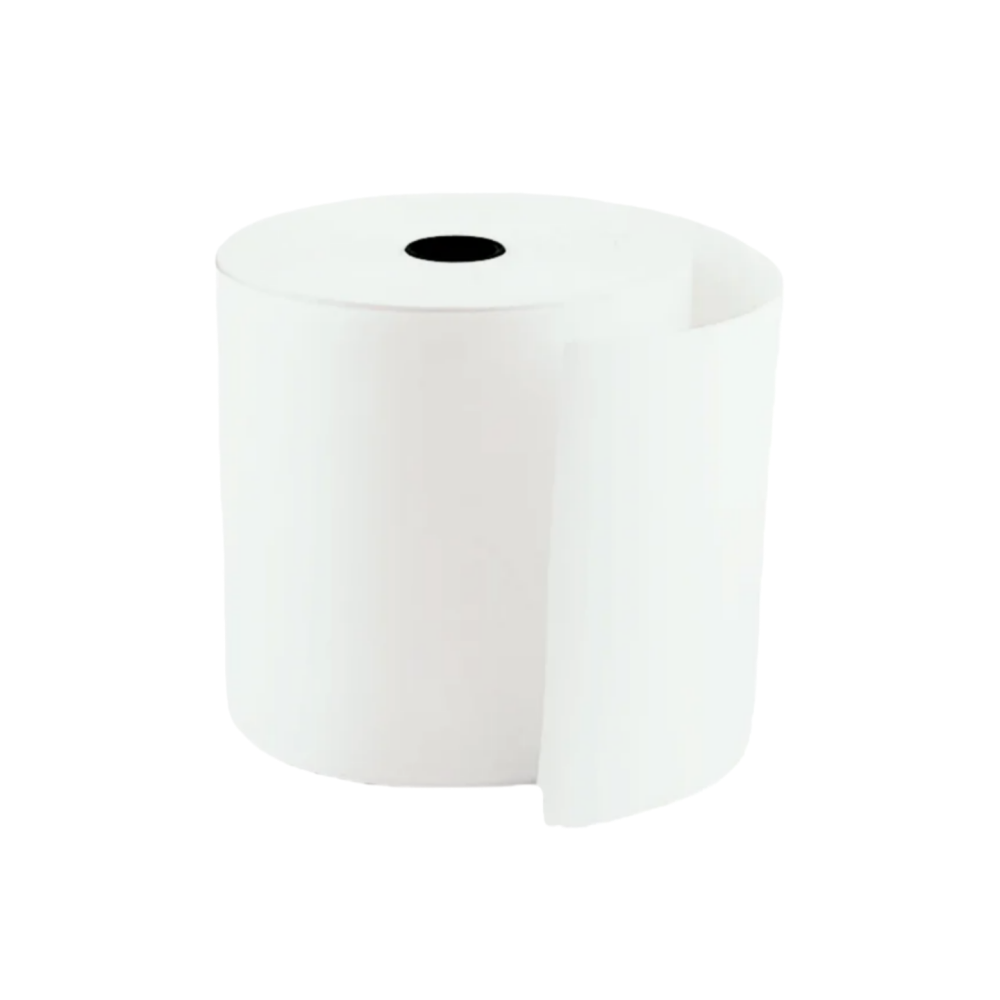
POS paper roll suppliers should be approved through a printer-specific map of dimensions, feed tests, print checks, packaging, and repeat-order controls.
A roll can look correct and still bind in a cover, trigger an early low-paper signal, feed unevenly, cut poorly, or produce weak scans. The acceptance map prevents a generic quotation from becoming an equipment problem. It connects each printer model and operating condition to measurable paper attributes, a repeatable test, an acceptance rule, and the supplier record needed for later lots.
Start the Acceptance Map With Device Constraints
Do not begin with a familiar roll name. Begin with the installed printer fleet. Record manufacturer, model, paper path, cutter, width setting, roll holder, sensor behavior, and supported paper ranges in the current device manual. Two printers that both use “receipt rolls” may differ in width, diameter, thickness, core behavior, or loading direction.
Turn Width, Diameter, Core, and Length Into One Fit Record
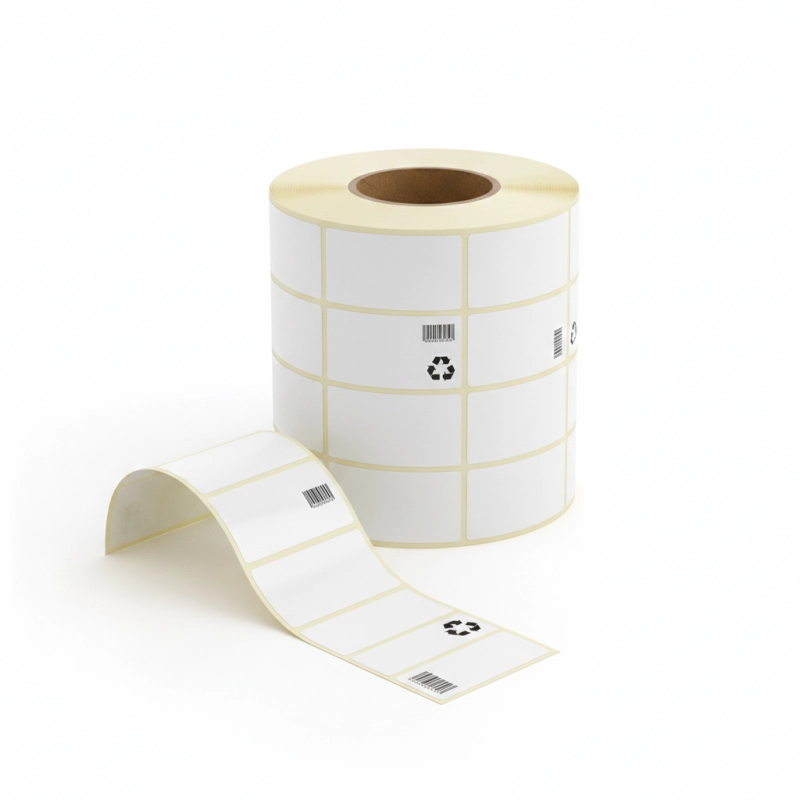
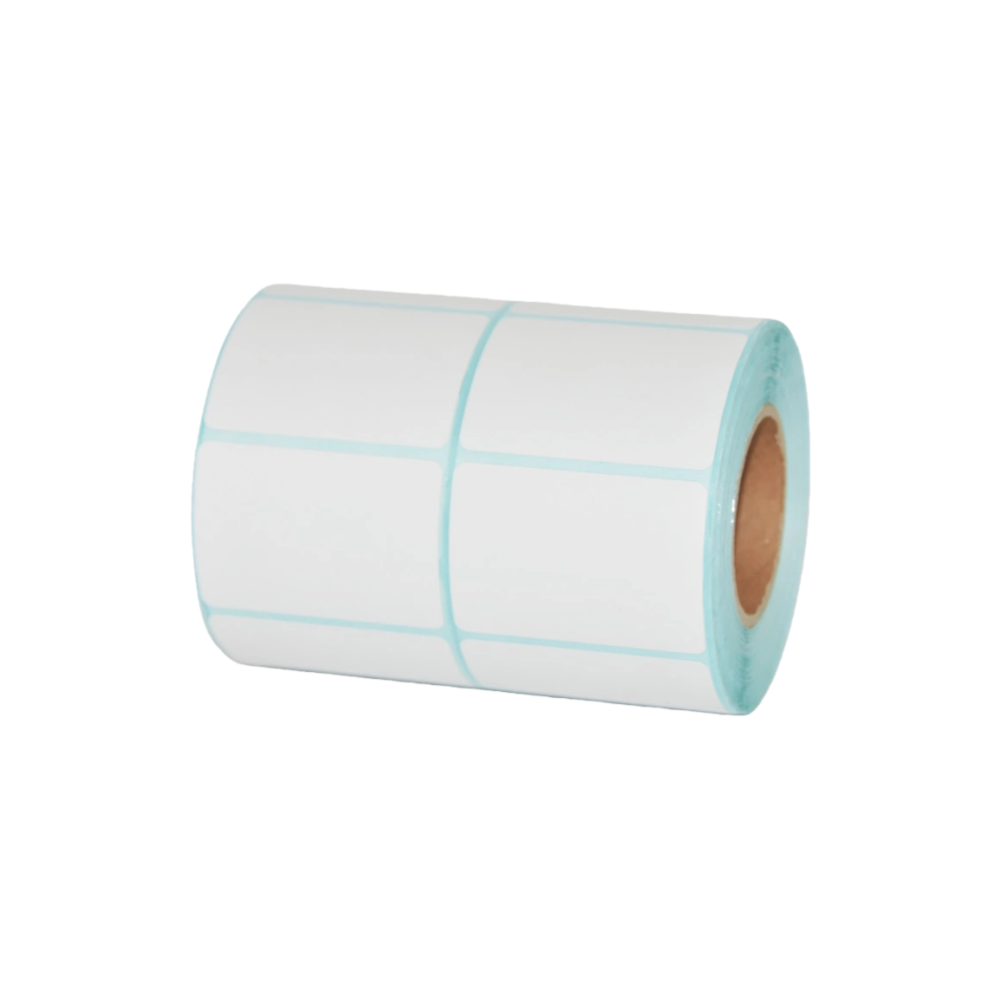
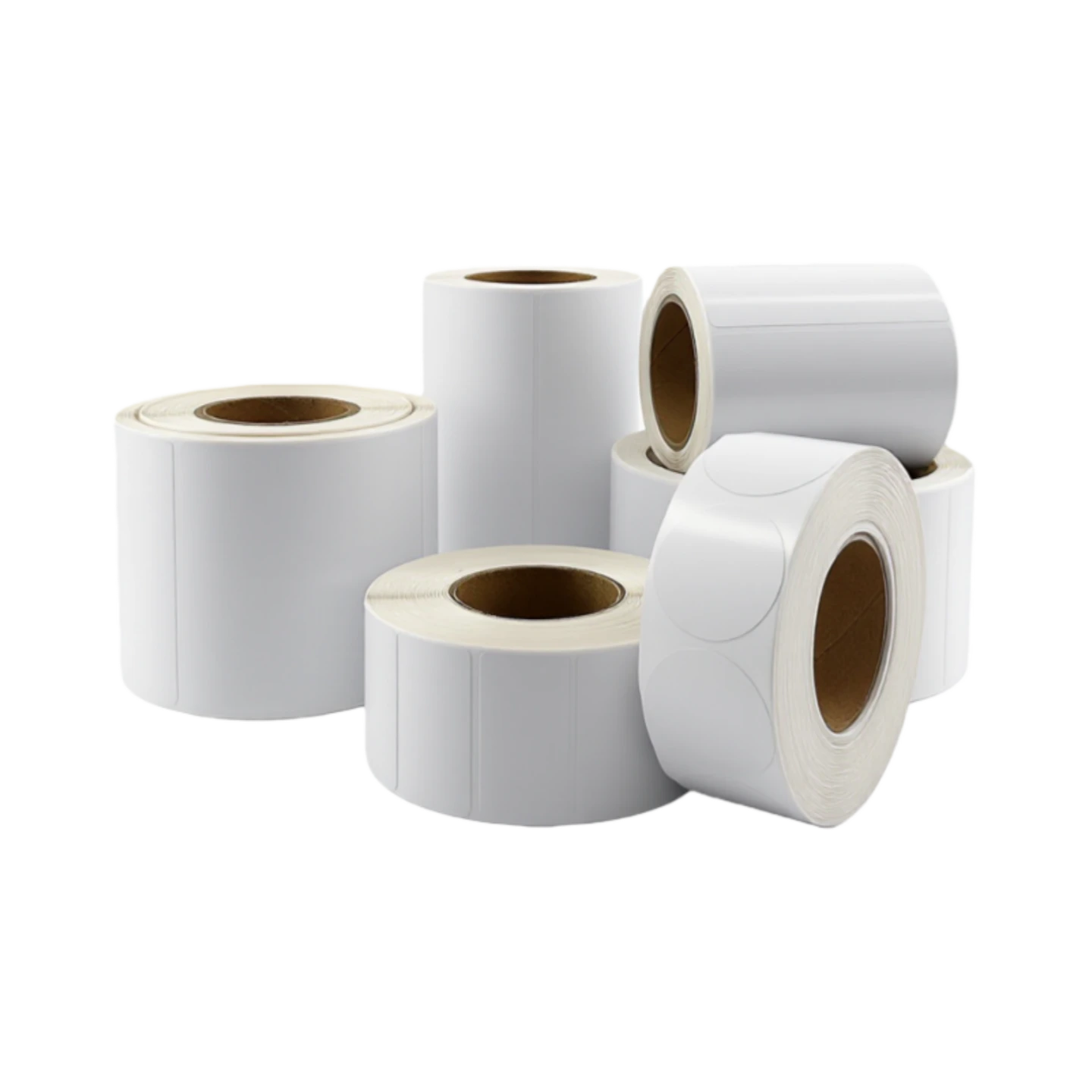
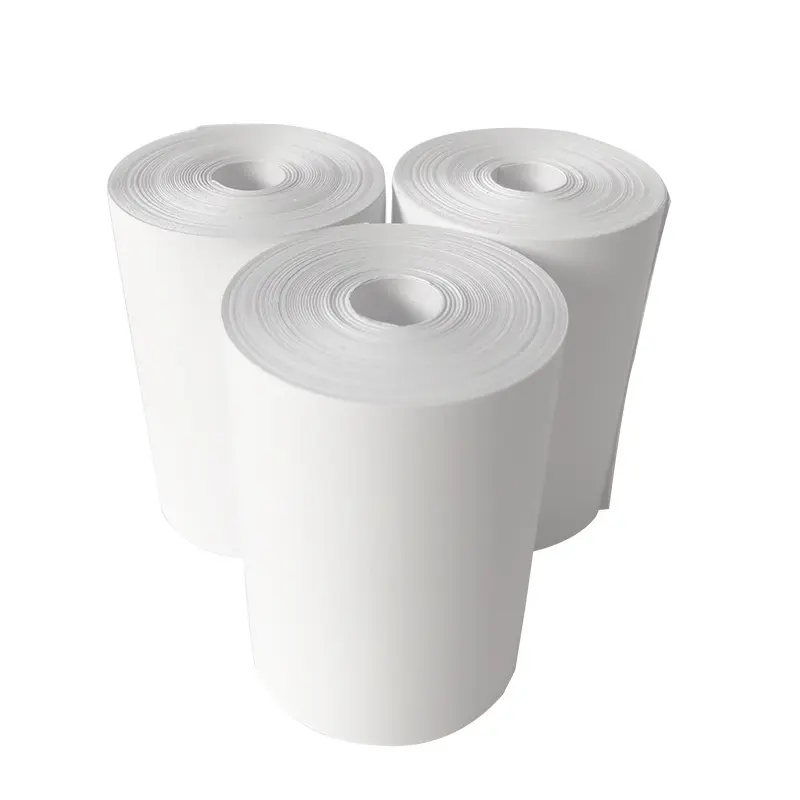
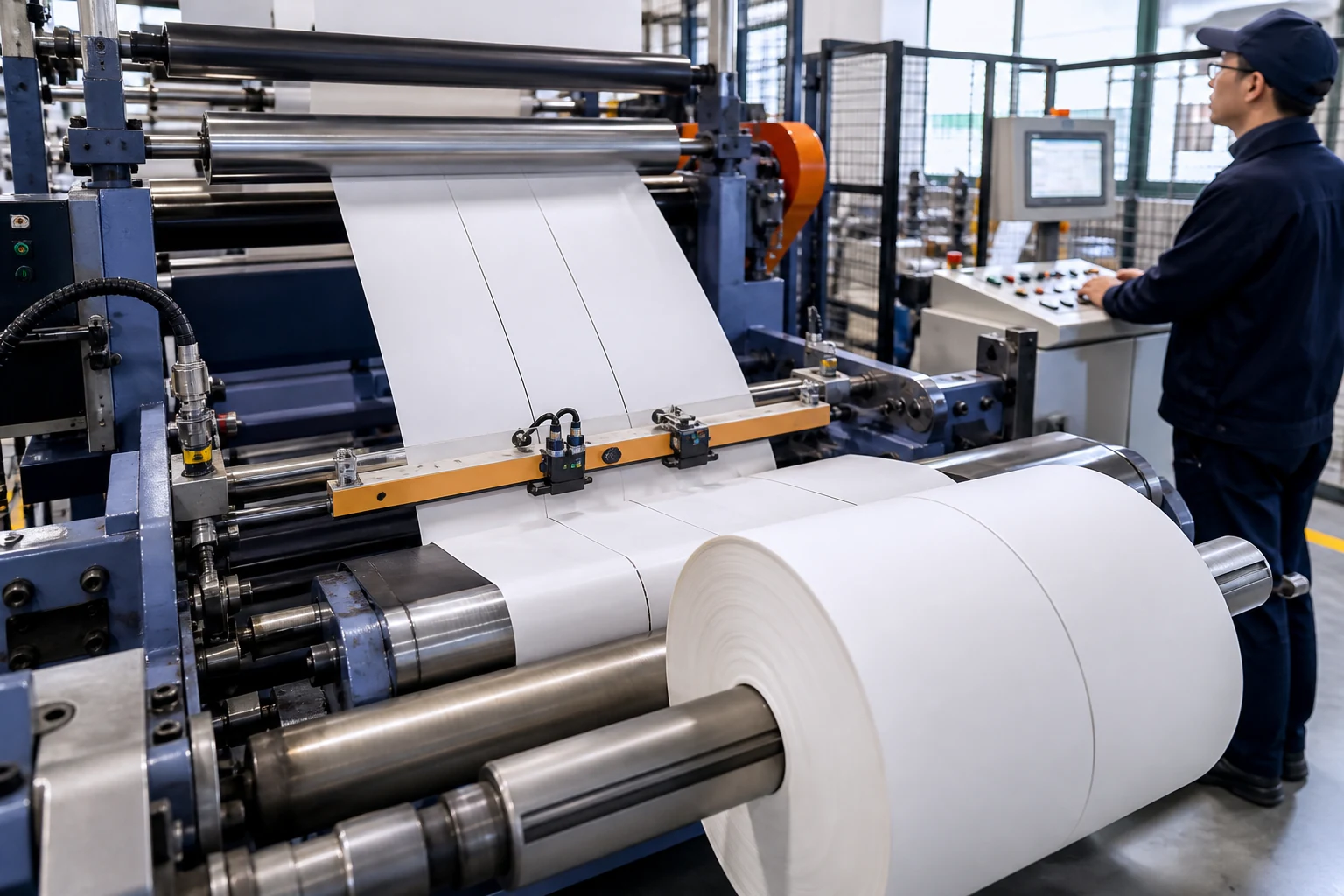
Thermal roll dimensions should be stated individually with tolerances and measuring methods. Width affects guide clearance and print positioning. Outside diameter affects cover closure and remaining-paper space. Core outside diameter and wall thickness can affect the final turns and roll stability. Length helps procurement compare usable paper, but it cannot substitute for dimensions that control fit.
Control Paper Thickness and Surface as Functional Inputs
Thickness changes more than roll length. It can alter roll stiffness, the number of wraps at a given diameter, feed pressure, cutter behavior, and the way paper travels across guides. Surface friction, curl, coating uniformity, dust, and edge quality can also influence feeding and print consistency. Record measurement location, sample conditioning, instrument, and tolerance so results are reproducible.
Build a Sample Protocol Around Real Printers
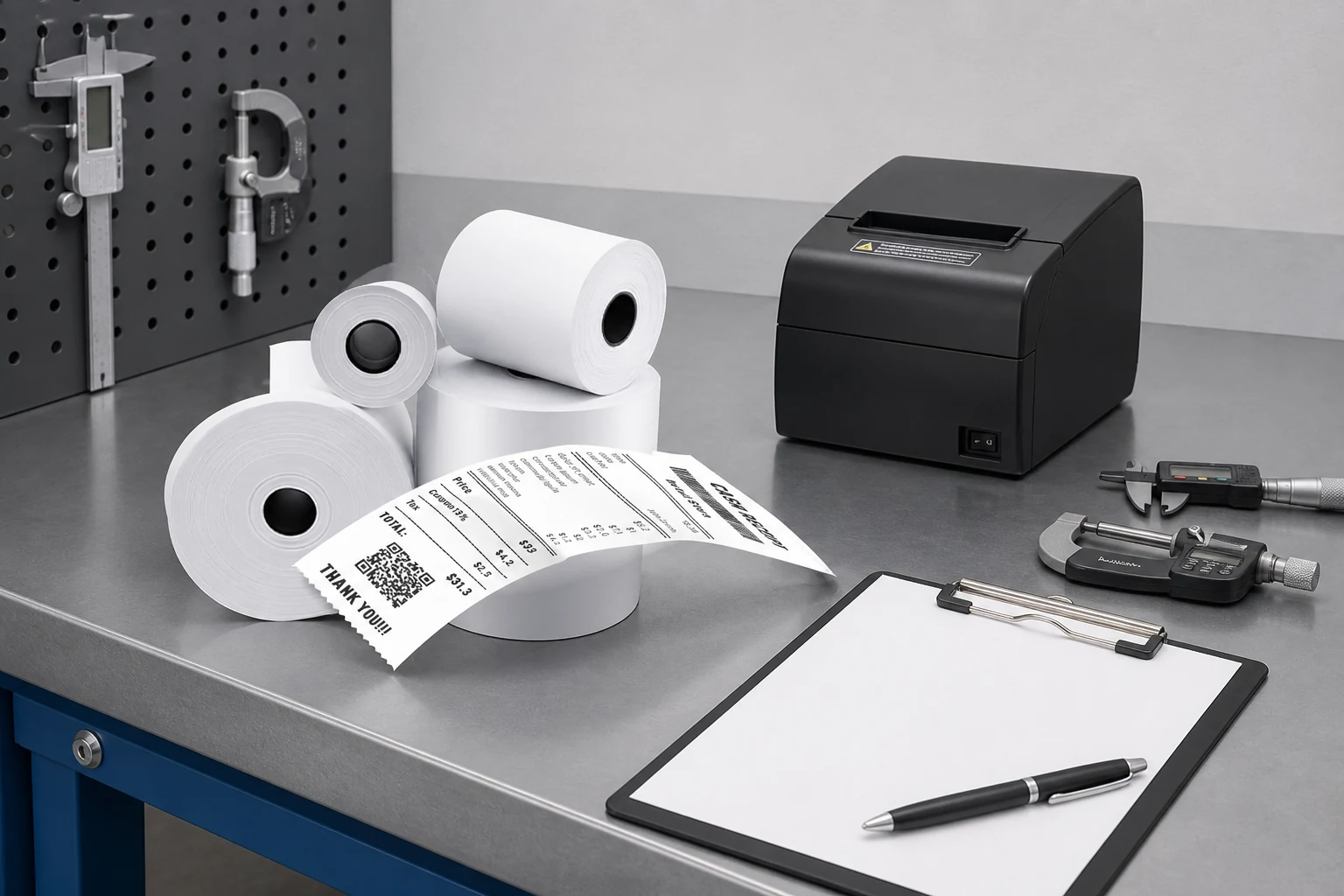
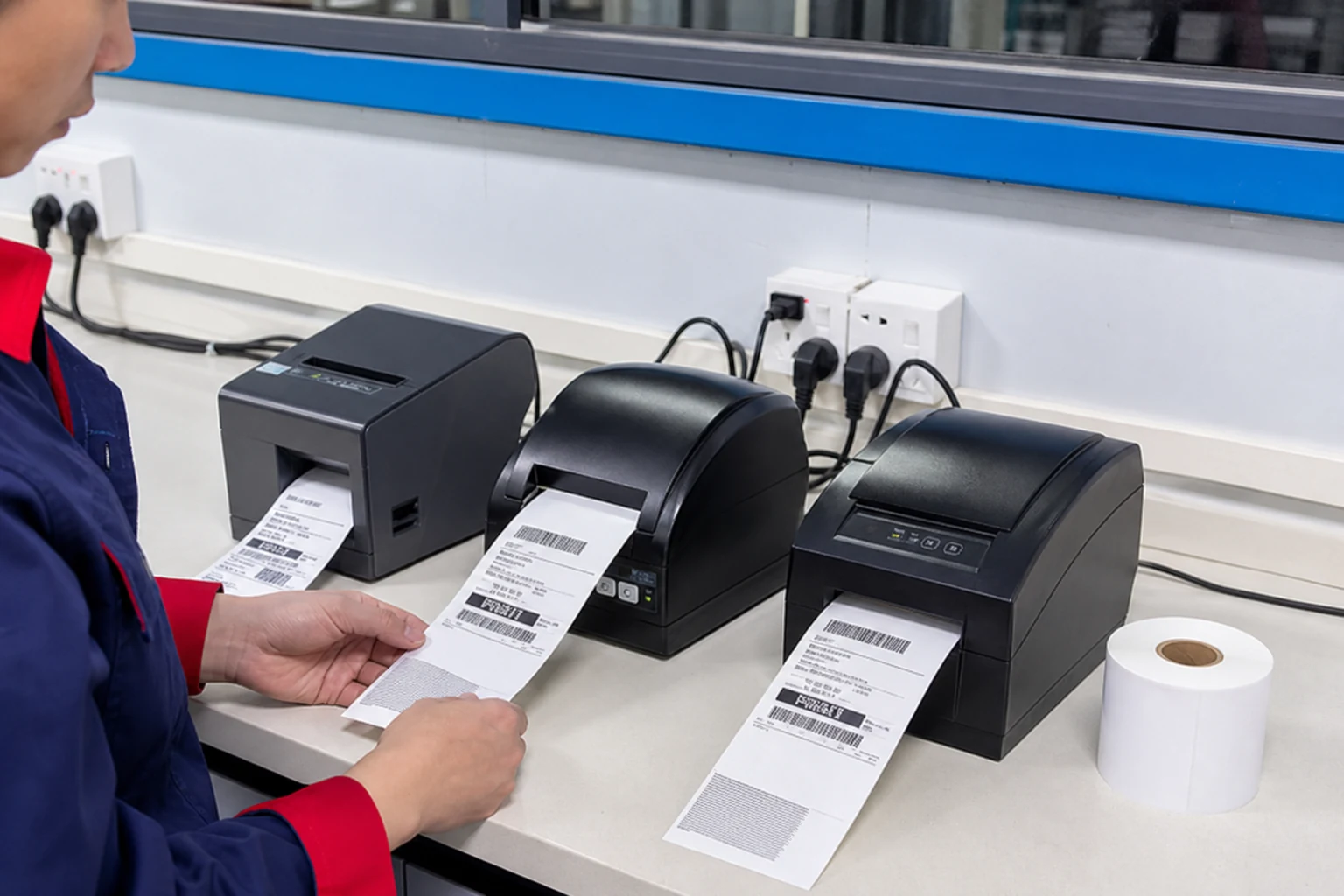
A desk measurement screens obvious mismatches; it does not prove use. Printer compatibility testing should run on representative equipment using the normal application, print density, cutter behavior, and receipt format. Include older and high-volume devices if they remain in service. The test should reveal recurring feed and print problems without inventing unrelated stress conditions.
Test Loading, Feeding, Cutting, and the Final Turns
Use a written sequence: inspect the unopened roll, condition it, measure it, load it, close the cover, run repeated receipts, pause and restart, cut automatically and manually where supported, and continue through the smaller final diameter. Record skew, drag, noise, cover interference, paper-out sensing, incomplete cuts, jams, telescoping, loose winding, and excessive curl.
Evaluate Print, Barcode, and Human Readability Separately
Print acceptance should cover text density, fine rules, logos used by the buyer, barcodes or QR codes used operationally, and any required gray or reversed areas. Scan codes with the actual devices and apps in use. Evaluate the receipt immediately and after the defined handling or storage interval. A visually dark image is not automatically a reliable scan, and a readable total does not prove fine-data quality.
Convert the Passing Sample Into Incoming Controls
The approved sample becomes useful only when its critical attributes are transferred to purchasing and receiving. The purchase specification should name construction, tolerances, packaging, labeling, test documents, and change rules. The sample acceptance criteria should identify what is checked on every shipment, what is sampled periodically, and what triggers a printer trial or hold.
Measure a Representative Lot, Not a Convenient Roll
Define sample selection across cartons, pallet positions, and manufacturing lots. Measure width at a stated point, outside diameter without compressing the roll, core dimensions where applicable, and thickness using a consistent method. Inspect edge cleanliness, winding alignment, splice condition if allowed, roll firmness, and visible coating defects. Link readings to carton and roll identity.
Make Packaging Part of Product Protection
Carton strength, inner wrapping, orientation, moisture protection, heat exposure, and pallet pattern can change the condition received even when the roll left converting within specification. Ask how the supplier prevents crushing, telescoping, contamination, abrasion, and uncontrolled exposure during storage and transport. Record the packaging configuration in the approved sample file.
Match Evidence to the Operating Environment
Retail paper encounters heat, humidity, light, oils, plasticizers, friction, pressure, and handling. Which exposures matter depends on the receipt’s purpose and retention time. A short-lived queue ticket has different requirements from a proof-of-purchase document, return record, service receipt, or stored transaction archive.
Define Storage and Handling Before Claiming Durability
Receipt paper storage should define conditions for unopened inventory and printed receipts separately. State temperature and humidity expectations, distance from heat or sunlight, protection from chemicals and incompatible plastics, stock rotation, and the agreed storage period. Train users to handle rolls without contaminating the thermal surface or deforming edges.
For hot or humid distribution routes, include conditioned samples or transport monitoring proportional to risk. Inspect cartons on arrival and allow material to equilibrate before judging curl or printing if the approved method requires it. The supermarket application page helps identify checkout context, but the buyer must define its own climate, storage, and retention needs.
Include preprinting, sensitivities, and receipt purpose.
Compare Suppliers With One Decision Matrix
Give each candidate the same printer list and specification, conditioning method, test file, run sequence, packaging request, and response format. Score the strength of evidence, not the quantity of brochures. Keep quote, lead time, minimum order, and freight visible, but do not let a small unit-price difference erase a fit or traceability gap.
| Map layer | Required input | Acceptance evidence | Failure signal |
|---|---|---|---|
| Device constraints | Model-specific manual and fleet record | Approved dimensional range by model | Generic “standard roll” assumption |
| Roll construction | Width, diameter, core, thickness, winding | Measured results tied to sample lot | Missing tolerance or method |
| Printer run | Defined files, settings, duration, event rules | Model-by-model feed, cut, sensor, and scan record | One informal print from one device |
| Packaging | Pack, carton, label, pallet, protection | Approved bill and receiving inspection | Crushed, contaminated, or untraceable rolls |
| Repeat supply | Lot records and change notification | Incoming trend and first-affected-lot control | Silent paper, coating, core, or process change |
Score Fit by Printer, Then Roll Up the Supplier Result
A supplier may pass on one model and fail on another. Record each device result before creating an overall score. Use categories such as not tested, fail, conditional, and approved. A conditional result should identify the exact model, setting, volume, or corrective evidence involved. Do not average a serious incompatibility into a comfortable-looking total.
Compare POS paper roll suppliers on fit coverage, test reproducibility, dimensional capability, lot traceability, packaging control, corrective response, change notification, capacity, and commercial terms. Weight the categories according to business impact. A high-volume checkout fleet may weight feed and cut performance more heavily than a low-volume service desk.
Turn every exception into an owned action.
Move From Trial Order to Repeatable Supply
For POS paper roll suppliers, a first order should exercise the normal production and logistics route while limiting exposure. Apply approved receiving measurements and run samples across the designated printer set. Compare results with the reference sample and record trends. Release, conditional use, rework, and rejection authority should be clear before arrival.
Control Changes That Can Break Compatibility
Change notification should cover base paper source, coating system, thickness target, slitting line, winding tension, core, adhesives, preprint, packaging, manufacturing site, test method, and critical subcontractors. Define which changes require advance approval, a new declaration, dimensional samples, comparative print testing, or a full printer trial.
Use Trends to Adjust the Acceptance Map
Track width, diameter, thickness, defect events, carton damage, printer incidents, scan failures, complaints, response time, and corrective-action effectiveness. Review by lot, supplier, model, and location. A stable trend can justify efficient sampling; drift or a process change can justify intensified checks or renewed printer compatibility testing.
Revisit the map when printers are added, firmware or settings change, receipt artwork changes, a location has a different climate, or retention needs become more demanding. The map is a controlled operating document, not a one-time sourcing worksheet. Its value comes from keeping device evidence, purchasing specifications, and supplier performance aligned.

Frequently Asked Questions
Which measurements should a POS roll specification include?
At minimum, state width and tolerance, maximum or target outside diameter, core construction and dimensions where applicable, paper thickness and method, winding direction if relevant, target length or paper quantity, coating side, and packaging. Tie these values to each approved printer model.
How many printer models should be included in the trial?
Test every materially different model that the supplier is expected to serve. If the fleet is large, group devices only after confirming that paper path, width setting, diameter allowance, thickness range, cutter, and sensor behavior are equivalent. Include older and high-volume models rather than testing only the newest unit.
Can roll length alone be used to compare quotations?
No. Length depends on thickness, winding, core, and measurement convention, and it does not prove mechanical fit or printer behavior. Compare usable paper quantity together with outside diameter, thickness, construction, verified dimensions, and the operational event rate during an agreed run.
What makes printer compatibility testing repeatable?
Use identified sample rolls, conditioned material, maintained printers, fixed settings, a controlled test file, defined run sequence, event categories, scan method, operator record, and numerical acceptance rules. Record exceptions by model so another reviewer can reproduce the decision.
When should a received shipment be held?
Hold it when lot identity is missing, packaging damage may affect paper, critical dimensions are out of limit, the construction differs from approval, change notice is unresolved, or sampled printer performance breaches the rule. Release should follow an authorized, documented disposition.
The most useful request for quotation is therefore a controlled acceptance packet: printer list, dimensional targets, test sequence, artwork and packaging bill, storage expectations, lot-document requirements, and change rules. Send that packet through the supplier contact channel and request samples identified to one manufacturing lot, so technical fit and commercial terms can be decided together.
 You May Also Like