


 Home
Home XBD
XBD  Aug 10,2026
A thermal rolls supplier should prove that the approved sample and every later shipment are controlled by the same material, converting, inspection, packing, and change-notification system.
The sample-to-shipment gap can turn a good trial into a checkout problem. Production may mix paper lots, machines, cartons, and transit conditions. The buyer needs evidence that defines “the same” and catches drift before rolls reach stores.
Freeze the Approved Sample as a Measurable Baseline
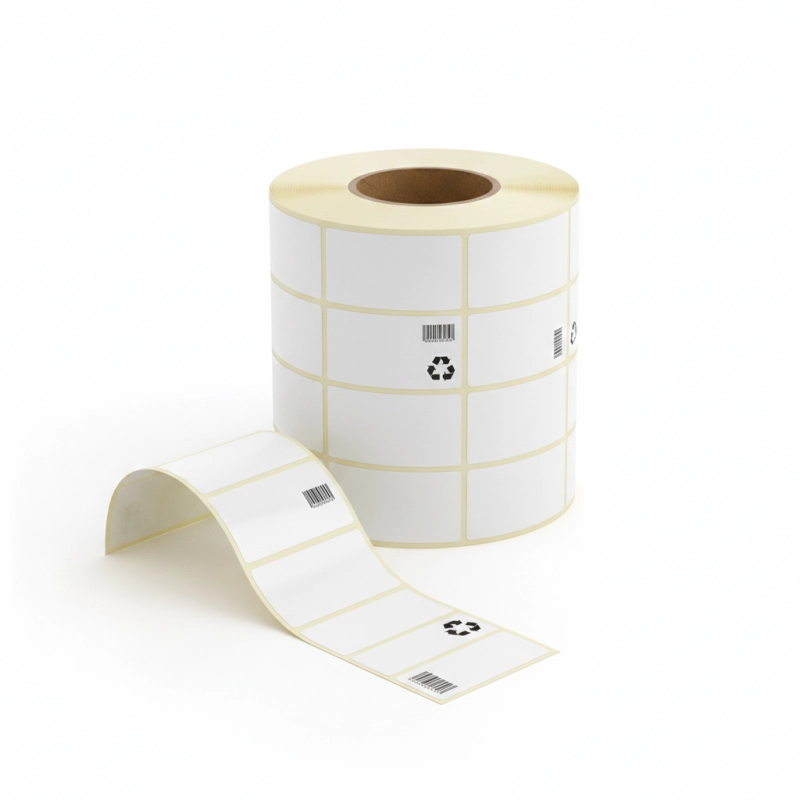
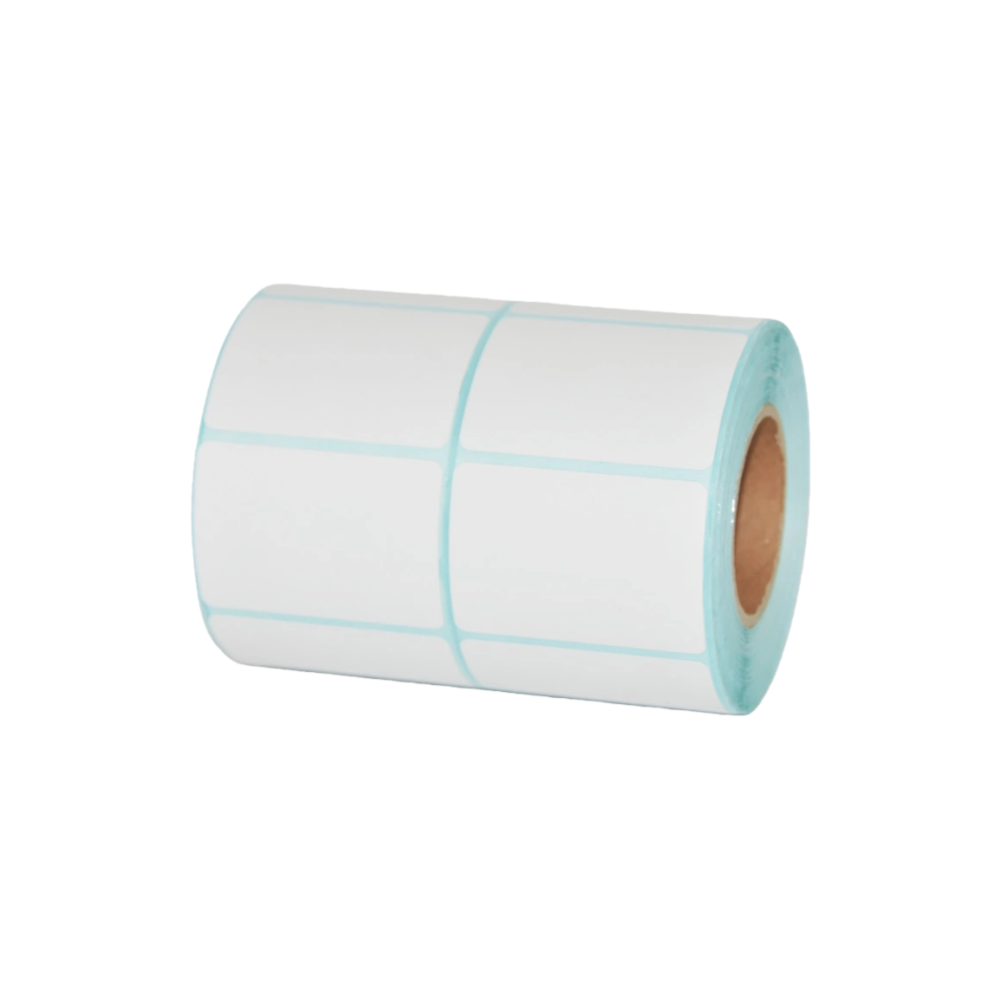
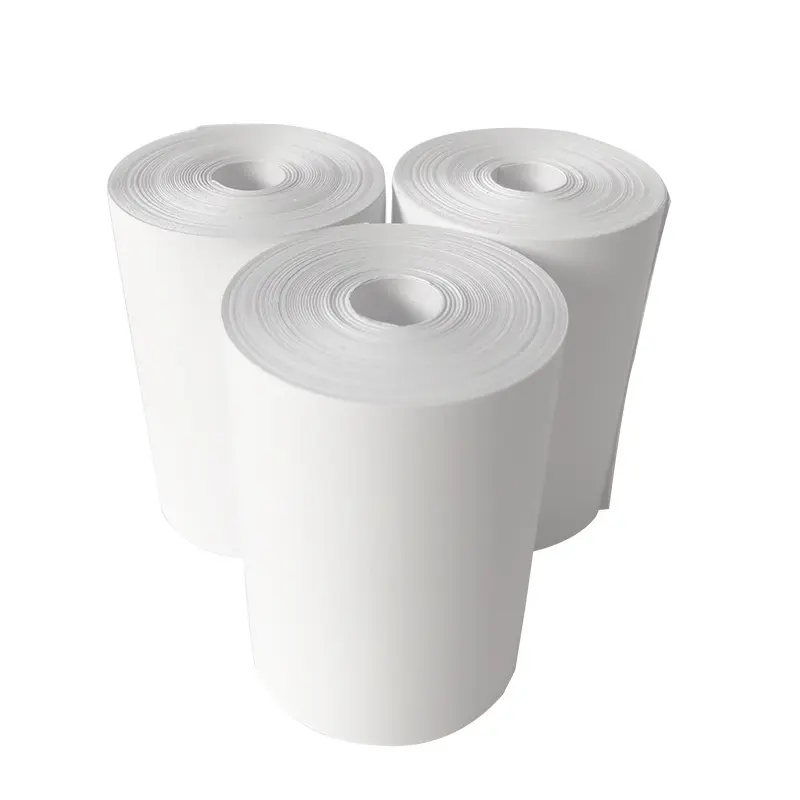
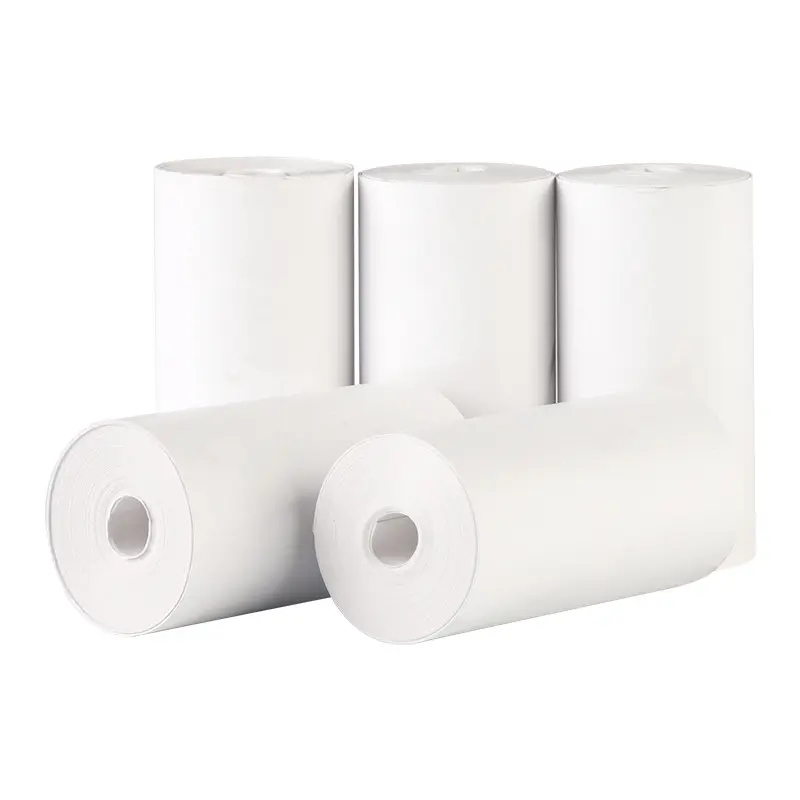
Approval should create a controlled reference, not a memory of a roll that printed well. Give the sample an identifier and record paper construction, coating side, width, outside diameter, core dimensions, winding direction, roll firmness, splice rule, packaging, and declared length or weight. Connect those attributes to the buyer's printer list and intended supermarket application.
Write Tolerances and Methods Beside Every Critical Value
A nominal value alone does not control receipt roll consistency. State where width is measured, how outside diameter is taken without compressing the roll, how thickness is conditioned and measured, and which variation is acceptable. Record the instrument resolution and sampling plan. This turns a specification into a repeatable decision that purchasing, the converter, and incoming inspection can all reproduce.
Keep Retained Samples From Both Sides of the Handoff
Ask the supplier to retain an approved sample and keep a buyer-controlled reference under suitable storage. When a trial passes, record its manufacturing lot, packing date, carton design, and test results. For a later shipment, retain rolls from identified cartons before use. A comparison is meaningful only when each item is traceable and the storage history has not quietly changed it.
Find Drift in Raw Paper Before Converting Begins
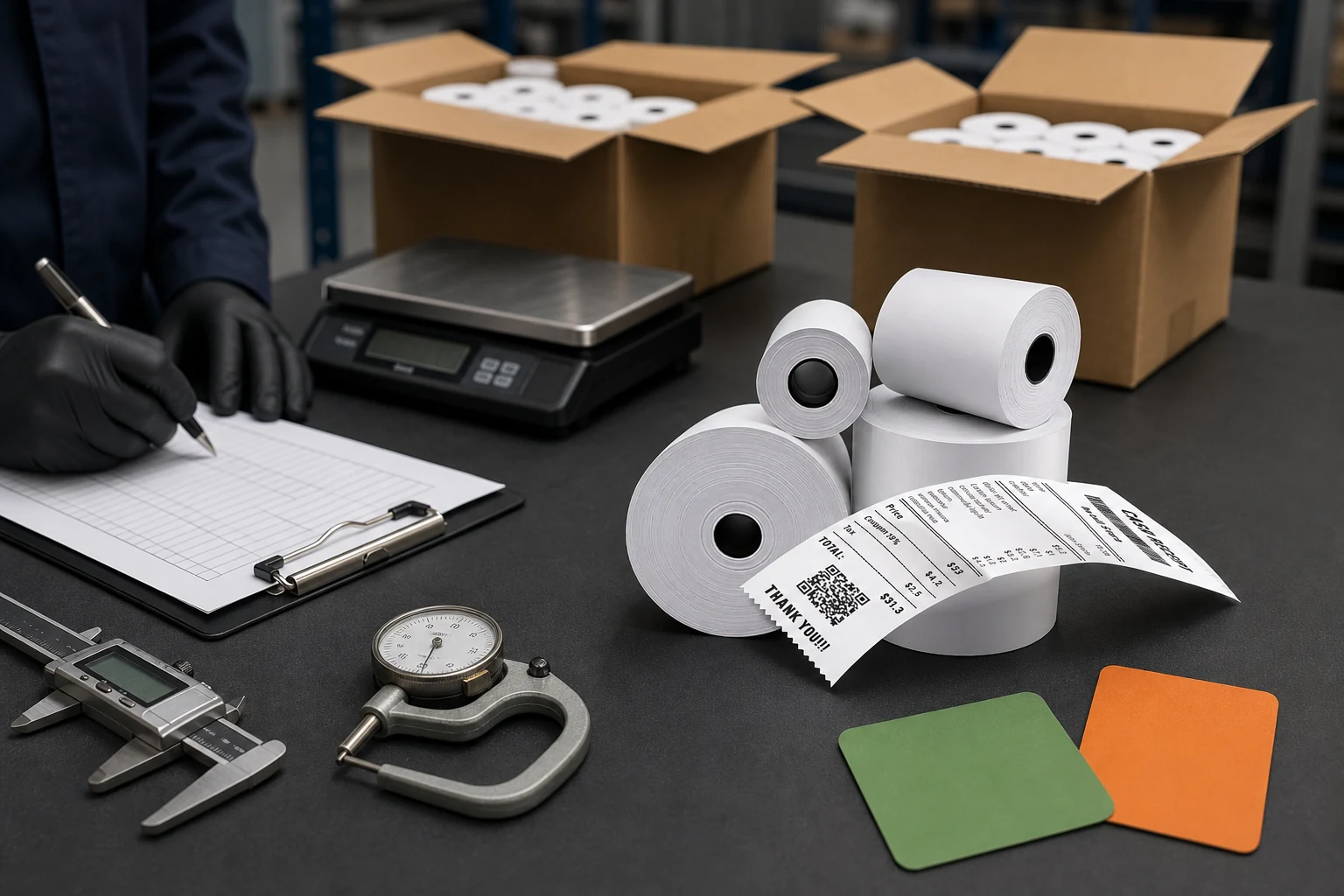
The converter cannot create stable output from an uncontrolled input. Ask how base paper, thermal coating, caliper, smoothness, moisture condition, and sensitivity are identified on receipt and released to production. The host site's factory overview can start a capability discussion, but photographs and equipment lists do not replace lot records or measured evidence.
Connect Each Finished Lot to Its Material Inputs
The batch record should connect finished cartons to the paper source, jumbo-roll identifiers, conversion line, date, shift, and released inspection results. If several jumbo rolls feed one order, the supplier should identify the boundaries. Traceability makes a complaint containable: the buyer can isolate the first affected cartons instead of treating the entire shipment as an unknown.
Treat substitution as a controlled change. A paper grade, coating, core, adhesive, ink, or wrap may appear interchangeable while changing print, curl, dust, or feed. Define which substitutions require notice, comparison data, fresh samples, or another printer trial.
Control Slitting, Winding, and Finishing as One Process
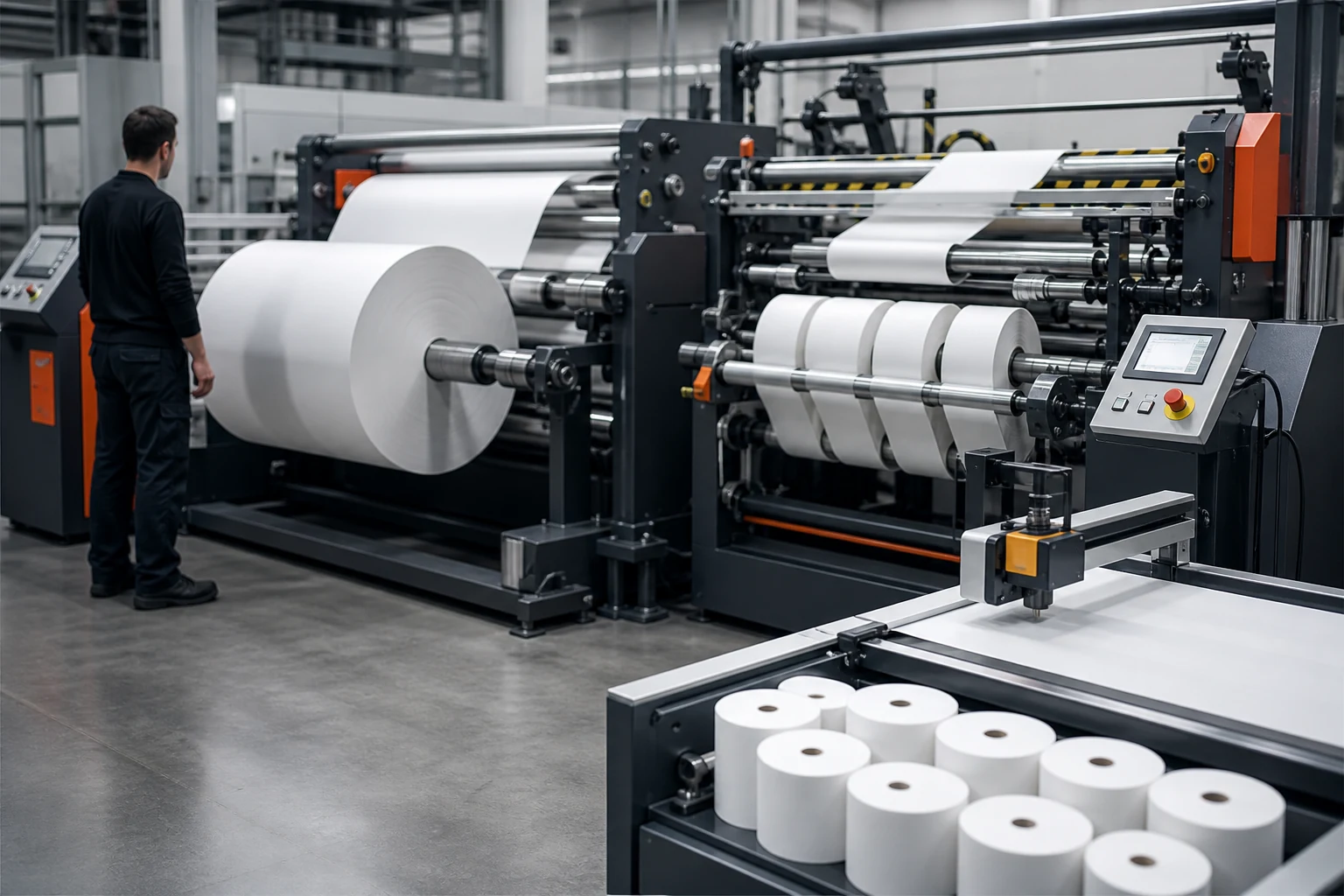
Even stable jumbo paper can become inconsistent rolls through knife setup, web tension, core alignment, winding pressure, diameter cut-off, dust extraction, and handling. Effective converting process controls connect machine settings to measured output and define when an operator must stop, adjust, segregate, or re-inspect material.
Measure the First, Middle, and Final Output
First-piece approval confirms setup, but it does not cover a long run. Sample through the order and across slit positions, because outer lanes and later reels may behave differently. Trend width, diameter, winding alignment, edge condition, roll firmness, and visual defects. Record adjustments and identify the cartons produced before and after each change.
Protect Clean Edges and Predictable Final Turns
Poorly finished edges can generate dust or drag; loose winding can telescope; excessive tension can distort the core or create curl. The final turns deserve attention because they influence low-paper sensing and usable yield. Establish rules for splices, attachment to the core, exposed adhesive, loose tails, and roll-end condition according to the actual printer requirement.
Prove Compatibility on the Buyer's Printer Fleet
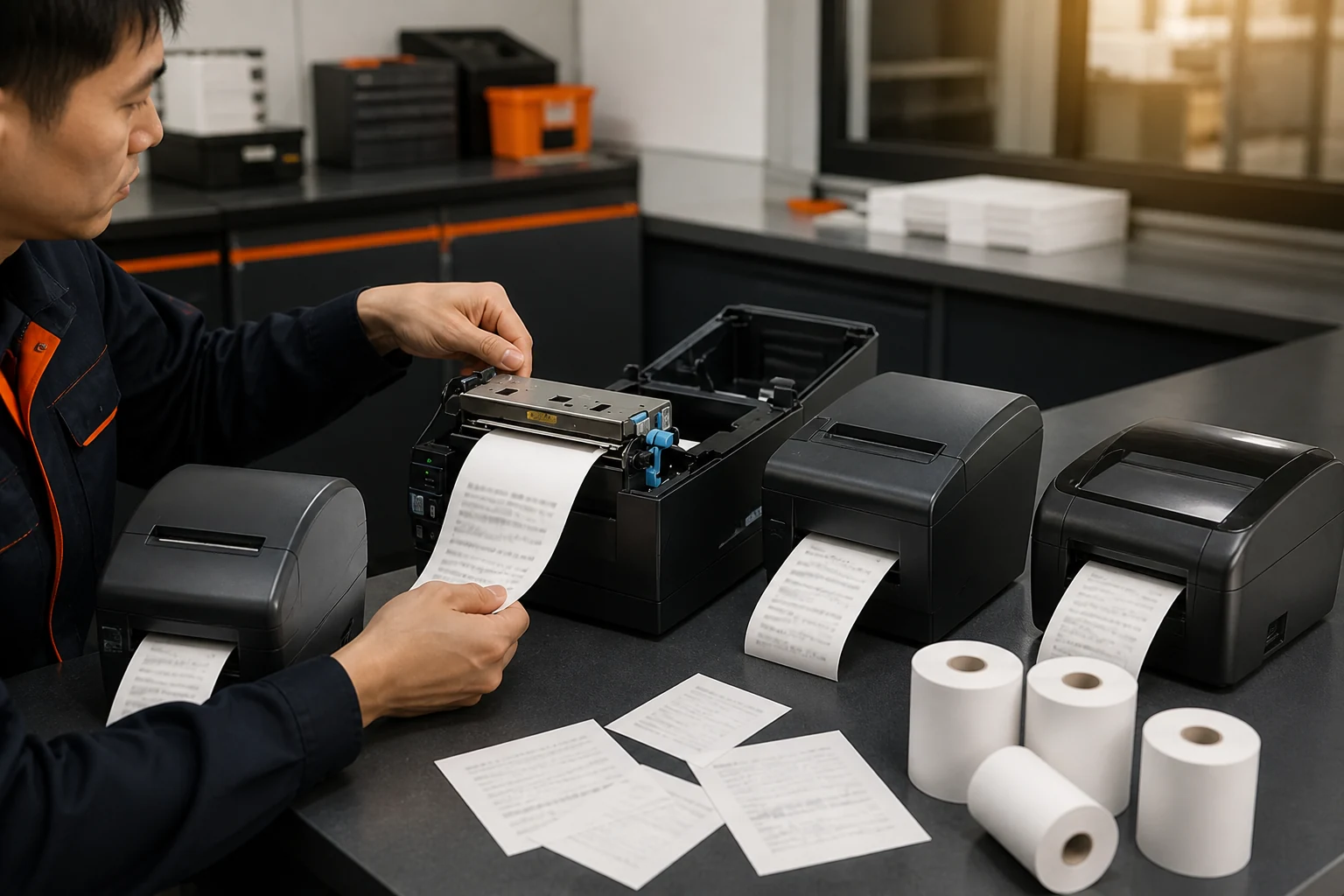
Printer compatibility testing should use models in service, not a generic demonstration. The official Epson TM-m30III guide specifies roll width, maximum diameter, core dimensions, and paper thickness for that device. Zebra's official media specifications likewise show that width, thickness, outside diameter, and core limits are printer-specific. Use the manual for every target model rather than turning either example into a universal specification.
Run Feed, Cut, Sensor, and Image Checks Separately
Condition the sample, load it normally, print the buyer's representative files, pause and restart, operate the cutter, and continue toward the final diameter. Log skew, drag, noise, cover interference, incomplete cuts, early paper-out signals, jams, curl, print variation, and code-scan results. A dark receipt can still feed badly, and a roll that fits can still deliver unstable images.
Repeat the Same Trial on a Production-Lot Sample
Before full release, select rolls from the actual production route and repeat the critical checks used for sample approval. Include older or high-volume printers when they create material risk. If a model needs a density setting or other documented configuration, record that dependency rather than treating a setting change as proof that all rolls are equivalent.
Make Inspection Reproducible From Factory to Receiving
A useful certificate reports actual lot results, units, methods, dates, and identifiers. A generic “pass” sheet does not show whether the same test controlled the approved sample and the shipment. The supplier's certificate page may help buyers request documents, while the purchase agreement must define the evidence and acceptance authority for the specific order.
Separate release tests from periodic qualification. Dimensions, winding, appearance, quantity, packaging, and lot identity may be checked per shipment; more involved tests may follow a risk-based schedule. State what is required before dispatch and what triggers requalification.
Give Incoming Roll Inspection a Clear Disposition Rule
Receiving teams need more than a checklist. Define sample locations across pallets and cartons, critical versus minor defects, escalation thresholds, and authority to release, hold, return, rework, or conditionally use a lot. Preserve photos and readings with the carton code. When results differ, compare methods and retained samples before assuming either party's measurement is correct.

Protect Rolls Through Packing, Transit, and Storage
A conforming roll can arrive damaged. Carton compression, loose packing, abrasion, water exposure, heat, sunlight, chemicals, and poor pallet geometry may alter roll shape or print response. Record the approved inner wrap, roll orientation, carton count, dividers, carton strength, labels, pallet pattern, and moisture protection as part of the product definition.
Qualify the Route That Will Serve Malaysia
For Malaysian supermarket buyers and wholesalers, the route may include humid loading areas, port dwell, warehouses, and last-mile handling. Do not assume the route causes a defect; define a proportionate review of carton condition, exposure indicators where justified, stock rotation, and equilibration before testing. The application overview can frame use cases, but the buyer must provide real storage and retention conditions.
Compare packing evidence with arrival condition. Packing photos, pallet IDs, dispatch checks, and receiving images help locate damage. Trend crushed cores, telescoping, wet cartons, scuffed edges, contamination, and loose wrapping by route.
Score the Supplier on Repeatability, Not Presentation
A thermal rolls supplier should be evaluated with the same evidence packet as every alternative: controlled specification, sample identity, capability data, production-lot results, printer trial, packing bill, traceability example, change rules, and corrective-action workflow. A polished sample or fast quotation is useful, but it cannot compensate for missing repeat-order controls.
| Risk point | Evidence to request | Buyer check | Hold signal |
|---|---|---|---|
| Material input | Paper lot identity and incoming release | Link finished cartons to inputs | Unknown or silently substituted grade |
| Converting | Setup, in-process trend, adjustment record | Measure across time and slit positions | Unexplained width, edge, or winding drift |
| Printer fit | Model-specific test record | Repeat critical run on production rolls | Feed, cut, sensor, or scan failure |
| Packing and route | Approved pack bill and dispatch evidence | Inspect across pallets and cartons | Damage, exposure, or lost identity |
| Repeat supply | Change notice and corrective-action system | Trend lots and incident response | Recurring drift or unapproved change |
Use a Trial Order to Test the Normal System
The trial order should follow the intended material source, equipment, inspection, packaging, and logistics route. Apply the same receiving and printer checks planned for repeat orders. Score evidence quality, response speed, capacity, lead time, minimum order, freight, and commercial terms, but keep any critical compatibility or traceability failure visible instead of averaging it away.
Make change notice and corrective action contractual. Set notice and approval rules for material, coating, dimensions, core, site, line, test method, packaging, and critical subcontractors. Corrective action should contain the lot, identify cause, implement a control, and verify later production. The company profile and online factory provide background; the signed agreement governs the order.
Frequently Asked Questions
What should be retained after a thermal roll sample is approved?
Keep an identified physical sample, specification revision, measured results, printer models and settings, test files, run observations, packing configuration, photographs, and the source lot. Store the reference under conditions that preserve its usefulness and define when it expires or must be replaced.
Which dimensions matter most for a receipt roll?
Width, outside diameter, core dimensions or coreless construction, paper thickness, winding, and roll firmness commonly affect fit and feed. The correct limits come from each target printer manual and buyer trial. Length or weight is commercially important, but neither alone proves mechanical compatibility.
How many rolls should incoming inspection sample?
There is no universal count. Base the plan on lot size, carton and pallet distribution, defect severity, supplier history, process changes, and printer risk. Specify selection locations as well as quantity so convenient top-carton samples do not hide variation elsewhere in the shipment.
When should printer compatibility testing be repeated?
Repeat it when a critical material or process changes, a new printer model enters service, settings or receipt artwork materially change, incoming trends drift, complaints appear, or route and storage conditions become more demanding. Use production-lot rolls rather than a separately prepared sales sample.
What is the clearest warning sign of sample-to-shipment drift?
A mismatch between identities and evidence is the earliest warning: missing lot links, different packaging, an undisclosed material source, changed measurements, or a certificate with no actual results. Operational failures may appear later, so documentation gaps should trigger review before release.
Before choosing a thermal rolls supplier, turn the request into one controlled evidence packet: printer list, toleranced dimensions, retained-sample rule, production-lot test, packaging bill, receiving plan, change notice, and corrective-action expectation. Share it through the supplier contact channel and request traceable samples from the normal production route, so consistency and commercial terms can be judged together.
 You May Also Like