


 Home
Home XBD
XBD  Jul 30,2026
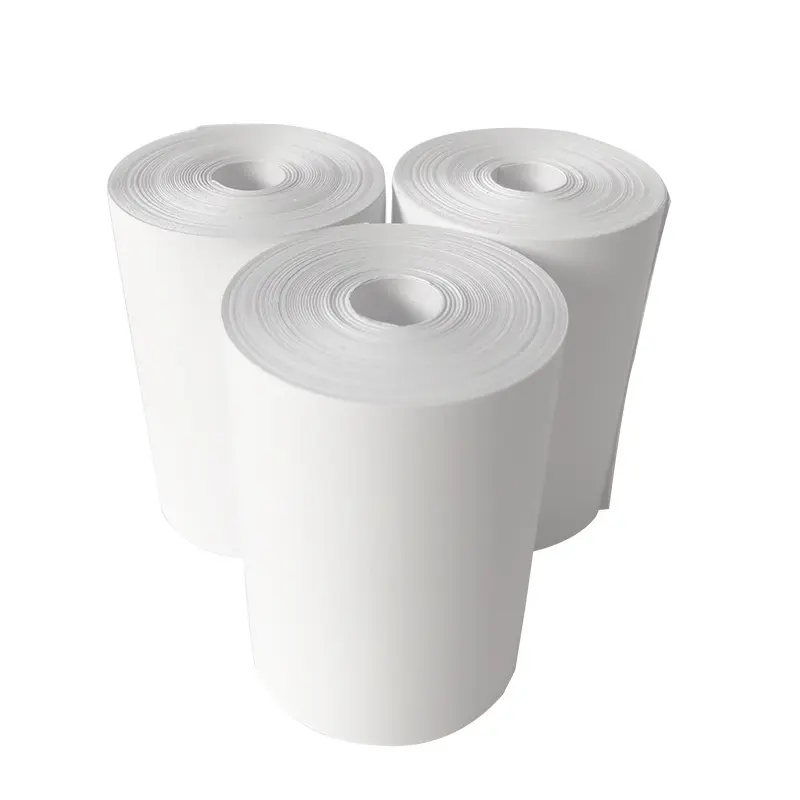
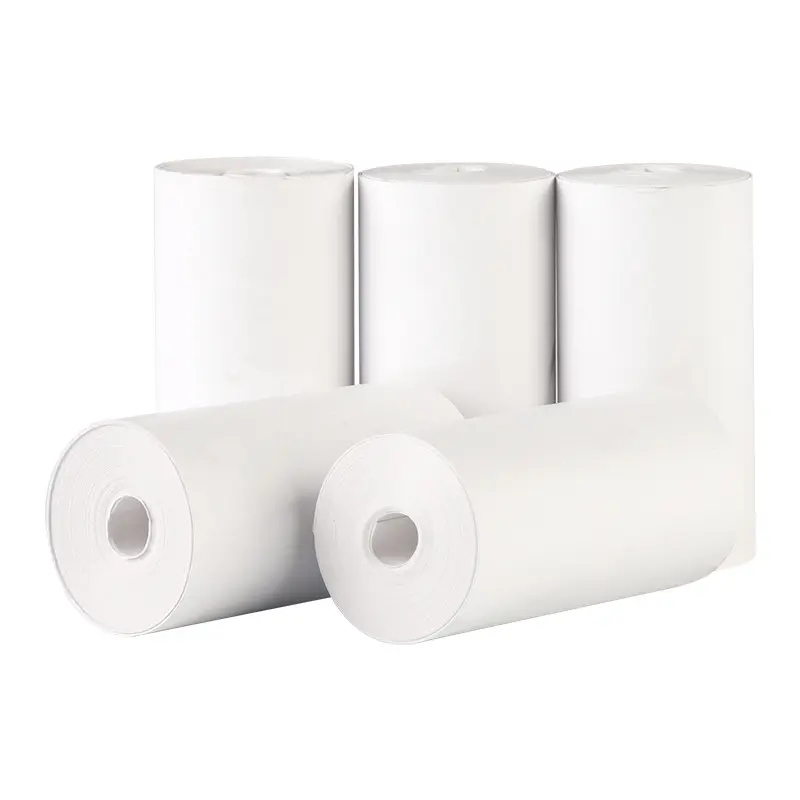
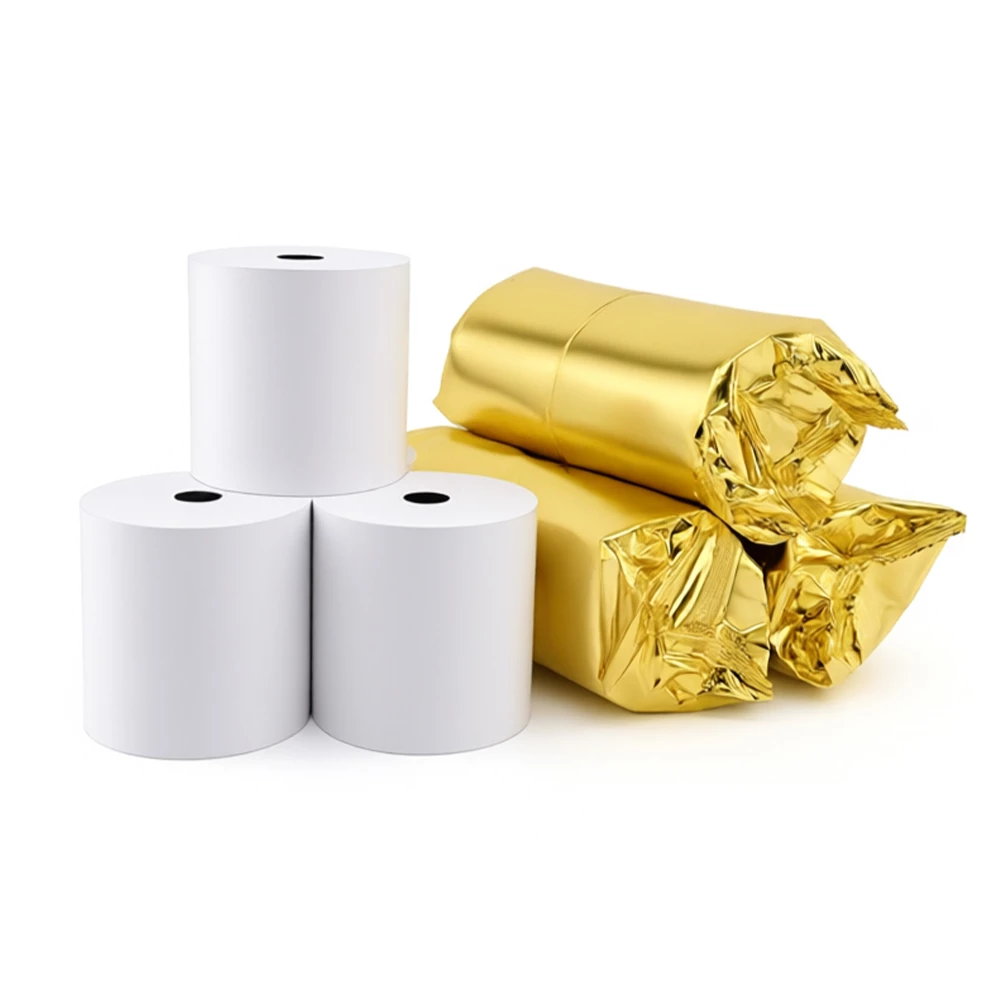
A thermal paper roll manufacturer should document how material selection, converting tolerances, print-response checks, packing, and traceability are controlled across repeat orders. A clean sample can fit one printer and still hide risks that appear only after climate exposure, equipment variation, carton compression, or a later production lot.
Supplier discovery improves when each risk becomes a measurable requirement and a piece of evidence. Focus on the variables that can stop checkout operations, distort a barcode, shorten image life, or create avoidable waste.
Risk One: Device Fit Is A Tolerance Problem
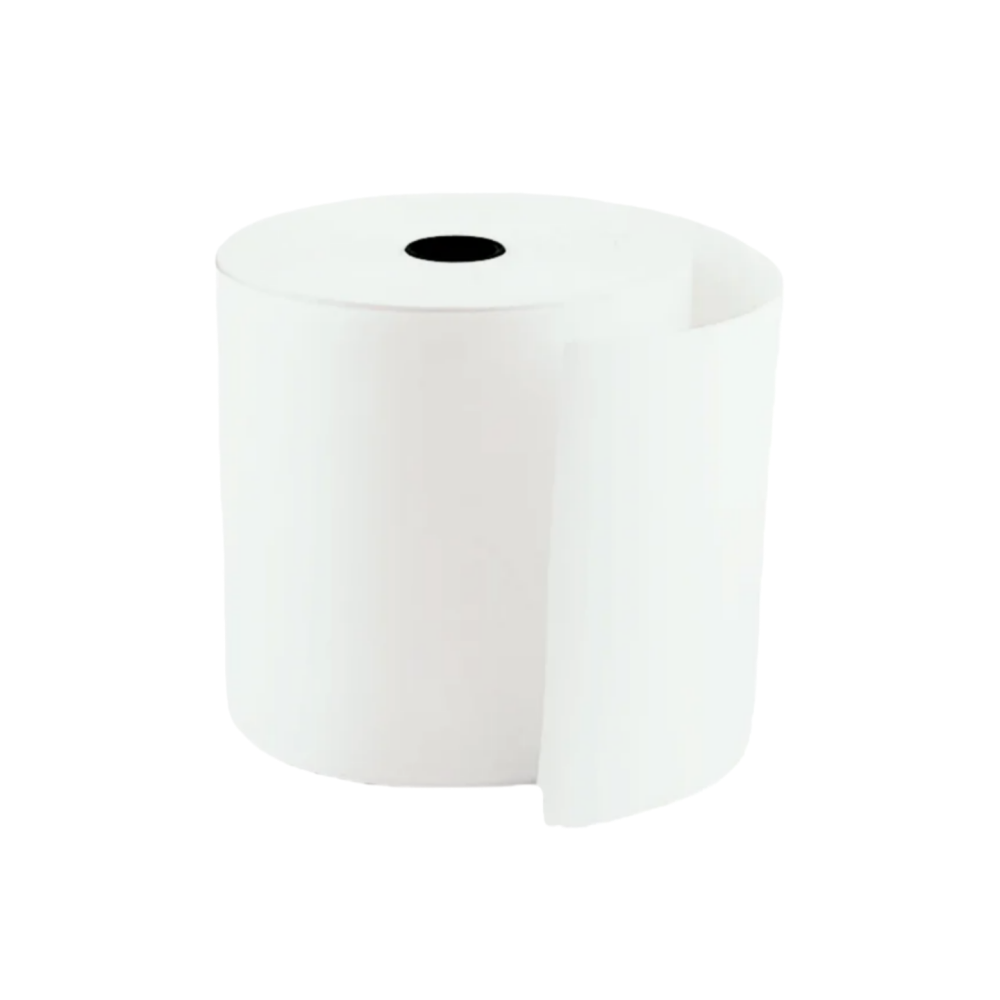
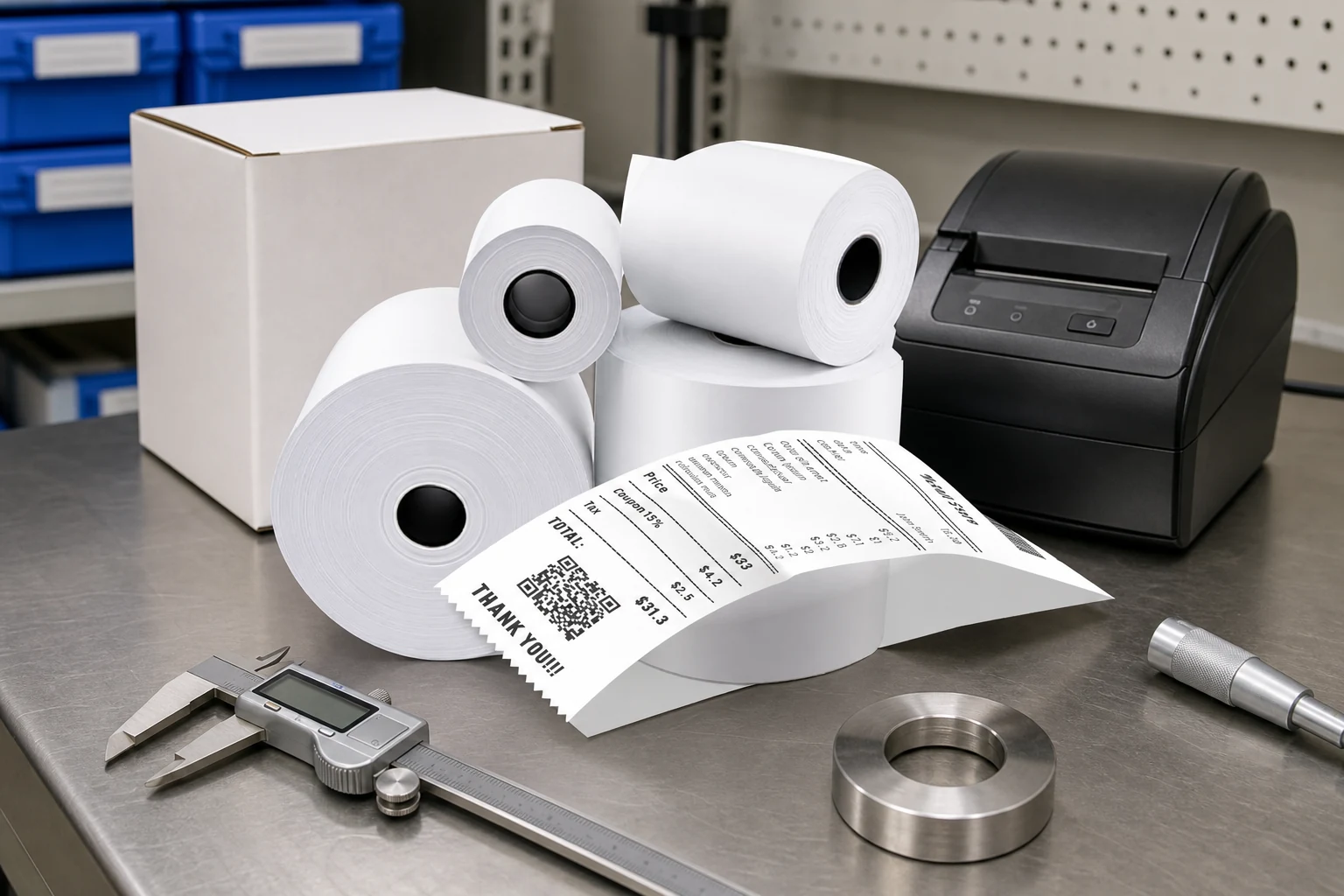
Nominal roll width and diameter are only the starting point. The printer also depends on core geometry, winding direction, roll hardness, edge condition, paper path, and the relationship between roll diameter and compartment clearance. Two rolls carrying the same size description may feed differently when actual tolerances are not controlled.
Send a printer matrix before requesting a sample. Include model numbers, compartment limits, loading configuration, cutter, sensing method, maximum outside diameter, preferred core, and field failures. Require a drawing or controlled specification, not only a catalog label.
| Variable | Evidence To Request | Operational Risk |
|---|---|---|
| Width and tolerance | Measurement method, sampling frequency, and lot record | Side drag, skew, or poor cutter alignment |
| Outside diameter | Range at shipment and winding control | Roll does not fit or door will not close |
| Core size and concentricity | Core drawing and incoming inspection criteria | Wobble, poor rotation, or loading failure |
| Winding and edge quality | Visual standard, tension control, and rejection examples | Telescoping, dust, jams, or uneven feed |
| End treatment | Cut, glue, warning mark, and attachment requirement | Residue or an unexpected end-of-roll stop |
Risk Two: Print Response Is Not One Number
A paper may produce dark text at one energy setting yet lose barcode edge definition at another. Print quality depends on the thermal coating, base paper, printer head, speed, energy, pressure, maintenance, and image design. That is why a single “blackness” claim does not represent the whole use case.
Build a practical test matrix using representative printers and real content: small text, a logo area, horizontal and vertical bars, a dense block, and the barcodes used in stores. Record energy or darkness settings, speed, scan result, optical density where available, background appearance, and visible residue. The manufacturer’s stated checks for barcode readability, whiteness, optical density, thickness, and smoothness are useful inputs, but acceptance limits should be agreed for the actual device set.
- Initial response: confirm legibility and barcode scanning at normal and boundary settings.
- Head interaction: watch for dust, residue, sticking, or unusual wear during a meaningful run.
Risk Three: Image Life Depends On The Environment
Thermal images can be affected by heat, light, humidity, friction, oils, plasticizers, adhesives, and storage contact materials. The critical condition differs by application: a short-lived queue ticket has different needs from a receipt kept for returns or accounting. Define the required reading period and storage reality before choosing the paper grade.
Ask the supplier to describe the test conditions behind durability statements, including exposure, duration, evaluation method, and pass criterion. Accelerated testing can support comparisons, but it is not automatically a direct promise of calendar life. Keep retained samples from approved lots and document storage instructions for warehouses, distribution centers, and store back rooms.
Risk Four: Converting Control Determines Repeatability
Material performance can be undermined by slitting, winding, core loading, dust control, and handling. A factory review should therefore follow the paper web from jumbo roll identification through slitting, rewinding, inspection, wrapping, case packing, and lot coding. The same-site factory overview provides visual context; qualification still requires current records for the line and dimensions being quoted.
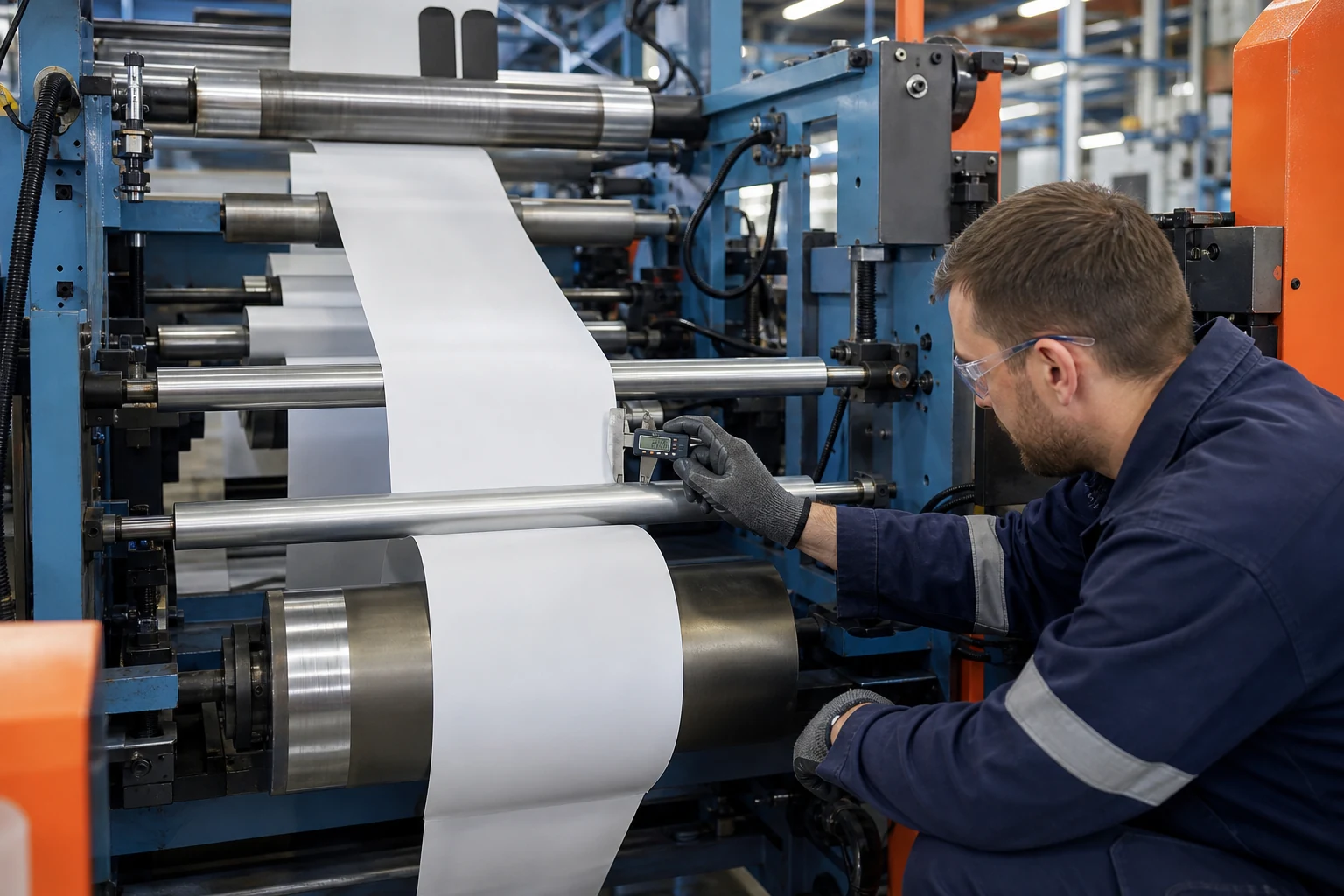
Look for calibrated gauges, controlled setup parameters, first-piece approval, in-process sampling, nonconforming-product segregation, maintenance, and traceability between finished cartons and source material. ISO 9001 certification can support a quality-system review when its scope and validity are confirmed, but it does not replace product specifications or lot evidence. Use the supplier’s certificate information as a verification starting point, not the conclusion.
Frequently Asked Questions
Is A Free Sample Enough To Approve A Manufacturer?
No. A sample proves only what was tested under recorded conditions. Qualification also needs the controlled specification, lot identity, production evidence, packing plan, change controls, and a repeat-order comparison method.
Which Dimension Usually Causes The Most Confusion?
Outside diameter often creates confusion because length, paper thickness, winding tightness, and core size all influence it. State both functional compartment limits and the controlled product dimensions.
Should Every Printer Model Be Tested?
Test representative models and the boundary conditions that matter. Group devices only when their paper path, width, energy range, sensing, and cutter behavior are sufficiently comparable and the rationale is documented.
How Should A Material Change Be Handled?
Require advance notice, an explanation of the change, updated specifications, relevant comparison data, and approval rules. Changes to base paper, coating, core, adhesive, pack, or converting site may justify targeted revalidation.
Turn Risks Into Acceptance Criteria
A dependable sourcing decision connects each operational risk to a specification, test method, evidence owner, and change trigger. When candidates quote the same controlled requirement, price differences become interpretable and repeat orders can be checked against the reason the product was approved.
To evaluate a specific roll program, send the printer matrix, dimensional limits, print tests, pack configuration, annual volume, and delivery route through the manufacturer contact form, then ask for every proposed deviation to be marked against that brief.
 You May Also Like