


 Home
Home XBD
XBD  Jul 30,2026
A reliable thermal paper manufacturer is evaluated by machine fit, coating consistency, winding control, packing protection, and traceable production evidence—not unit price alone. A small mismatch can create stoppages whose cost exceeds the apparent saving.
Unit Price Hides the Operating Cost
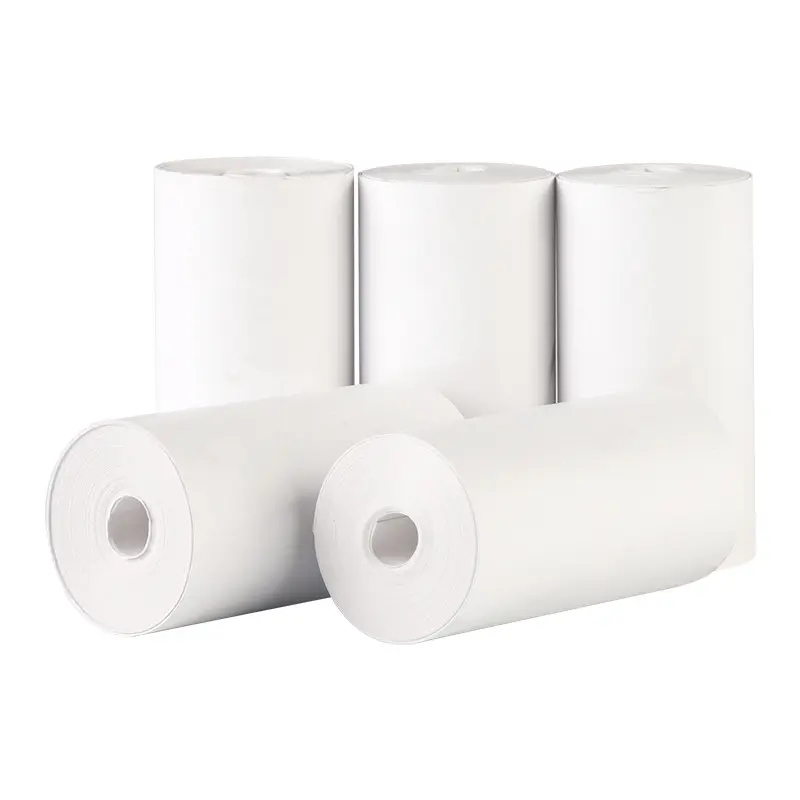
Roll count says little unless paper width, roll diameter, core dimensions, paper length or length basis, packing quantity, and delivery terms are aligned. A smaller roll can require more changes; poor winding can create feed resistance; inconsistent imaging can make records difficult to read.
Estimate the effect of roll changes, printer interruptions, unreadable output, damaged cartons, and emergency replenishment. Each risk can be assigned an evidence requirement. The site’s company profile provides background, not product-specific confirmation.
A useful quotation identifies the exact roll, inspection basis, packing configuration, order quantity, and delivery basis. Anything less is a starting conversation, not a comparable price.
Machine Fit Is the First Test of Manufacturer Discipline
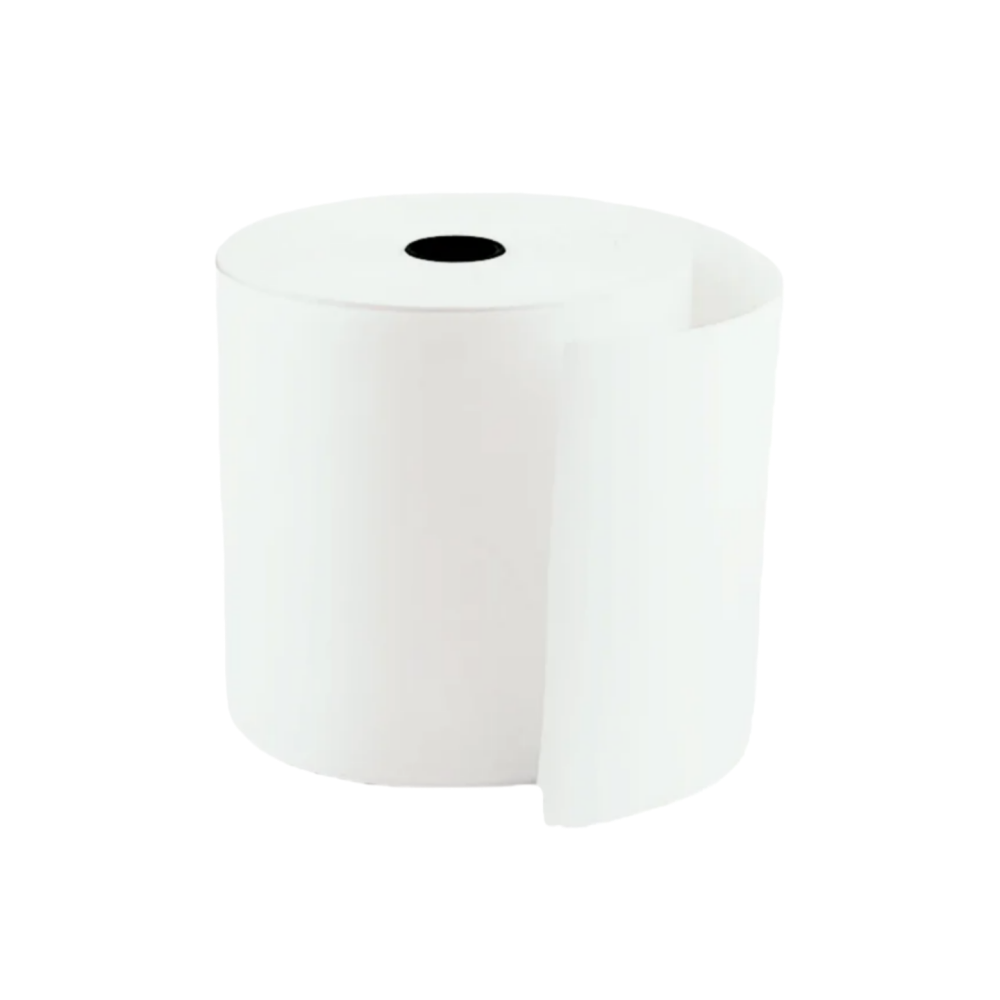
Printer compatibility is measurable. Equipment documentation commonly defines acceptable width, maximum diameter, core dimensions, thickness, and sometimes how paper attaches to the core. Those limits vary by model; “80 mm roll” does not prove fleet-wide fit.
Build a printer matrix before requesting samples. Record model, paper width, compartment diameter, core requirement, cutter arrangement, sensor needs, and approved grades. Ask the supplier to state both target and tolerance for each relevant dimension.
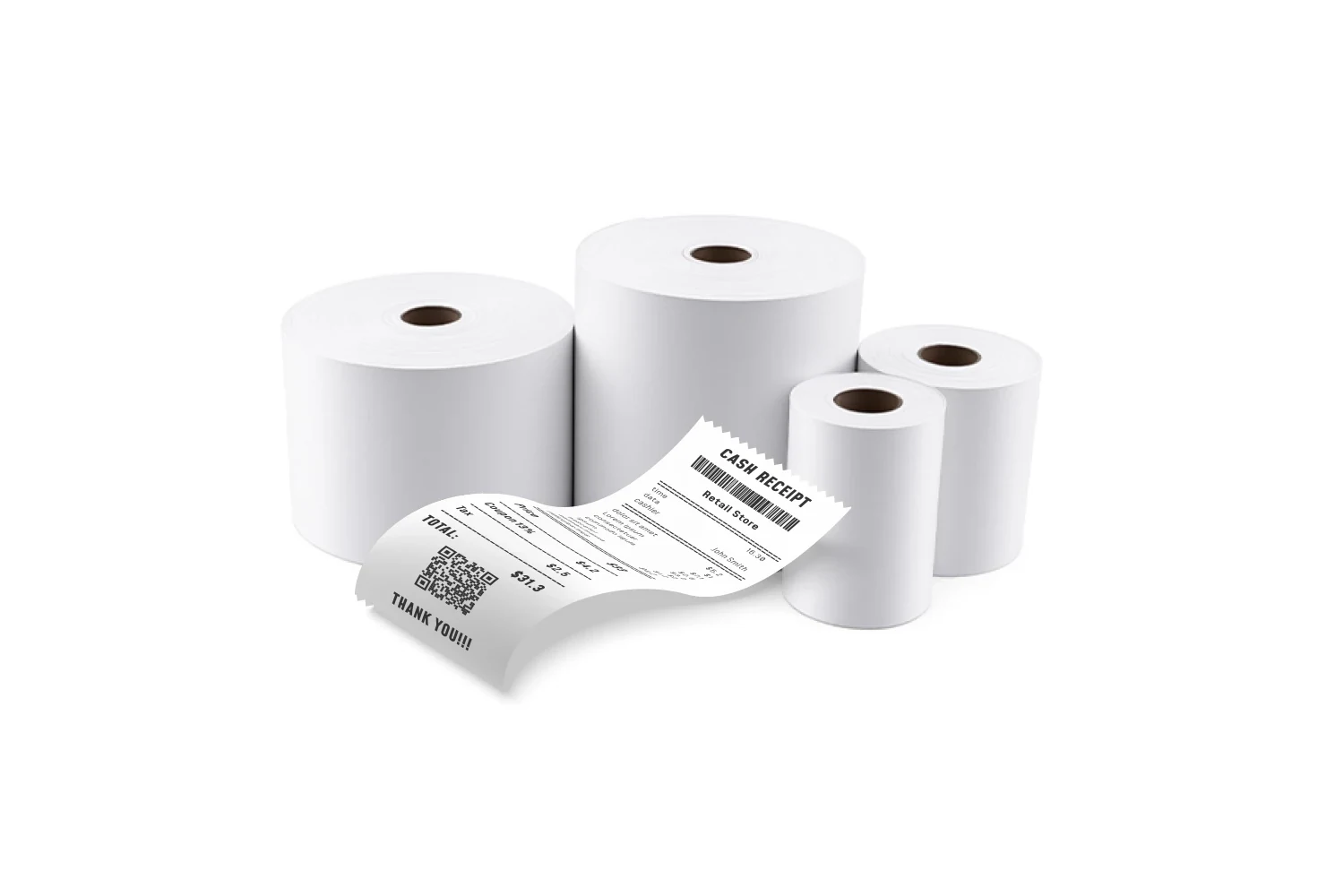
- Width: must track straight through the print path without edge damage or lateral movement.
- Outside diameter: must fit the compartment with clearance for free rotation.
- Core: must suit the spindle or coreless design and remain structurally stable.
- Winding direction: must present the thermal side correctly to the printhead.
- End condition: should match sensor, adhesive, and near-end handling requirements.
Coating Behavior Determines More Than Darkness
A dark test mark only proves that the coated side reacts under that condition. Performance also depends on dynamic sensitivity, contrast at operating speed, surface smoothness, dust, environmental resistance, and required record life. The offered grade should connect to the application.
Thermal-paper producers describe multiple sensitivity and durability levels because receipts, tickets, labels, and records face different exposure. An archive claim therefore needs a named grade, test basis, storage assumptions, and supporting documentation.
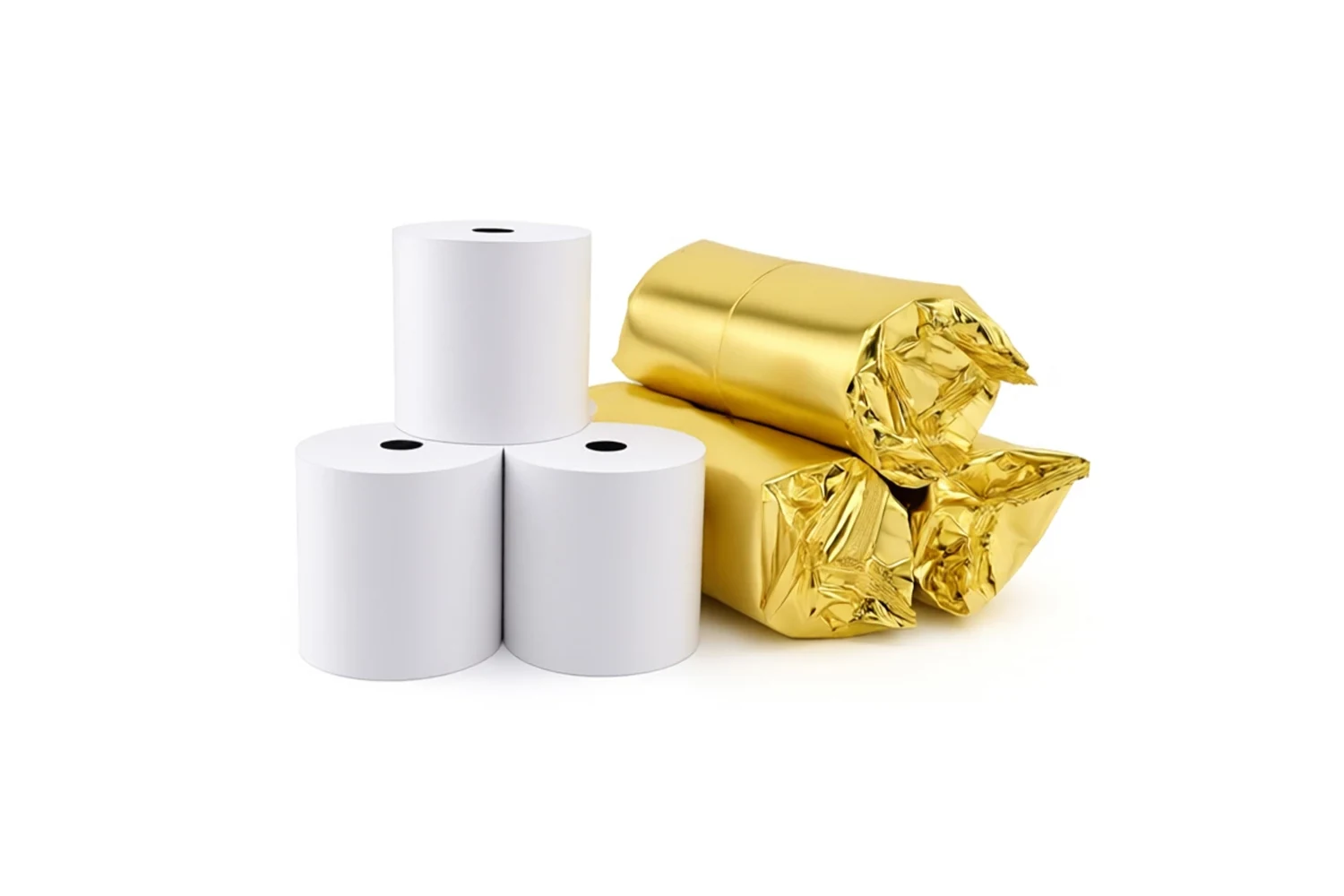
Chemical declarations require equal precision. Replacing one developer chemistry with another is not automatically equivalent to being free from all phenols. Ask for the declaration that applies to the exact grade and order, including issuer, date, scope, and supporting document.
Conversion Control Separates a Mill Roll From a Reliable POS Roll
Even suitable base paper can fail after poor converting. Slitting accuracy controls width and edge quality. Winding tension influences roll hardness and concentricity. Core placement affects rotation. Loose debris can accumulate near the printhead. The cut edge, tail treatment, and finished diameter all influence how the roll loads and feeds.
Ask what is checked during setup, in process, and at final inspection. Useful records may include calibrated dimensions, edge inspection, agreed weight or length controls, thermal image testing, winding observations, and packing verification.
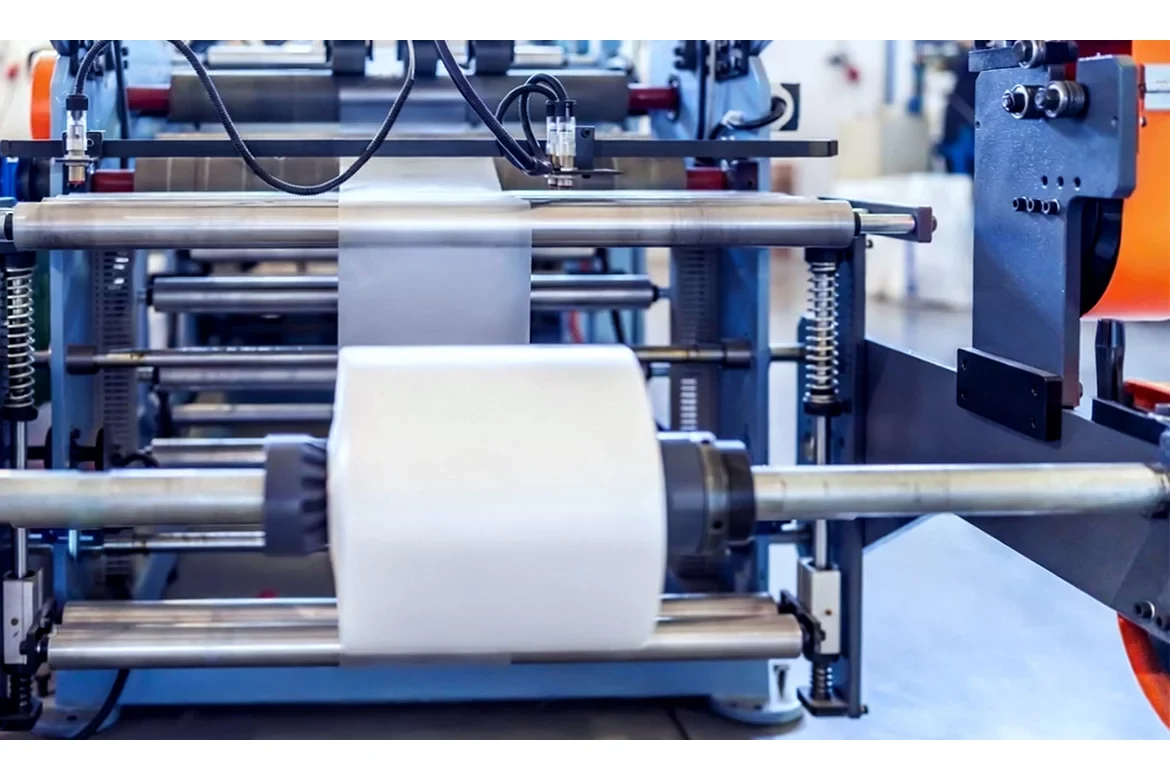
The supplier’s factory page and online factory view provide equipment context. Connect each observed line to the proposed material, width range, inspection method, packing route, and schedule.
Packing Must Protect the Roll Through Storage and Delivery
Paper responds to its environment, so warm or humid logistics make protection important. Producer literature warns about heat, moisture, light, and certain chemicals. Its reference conditions are not another supplier’s specification, but they show why storage instructions belong in the purchasing file.
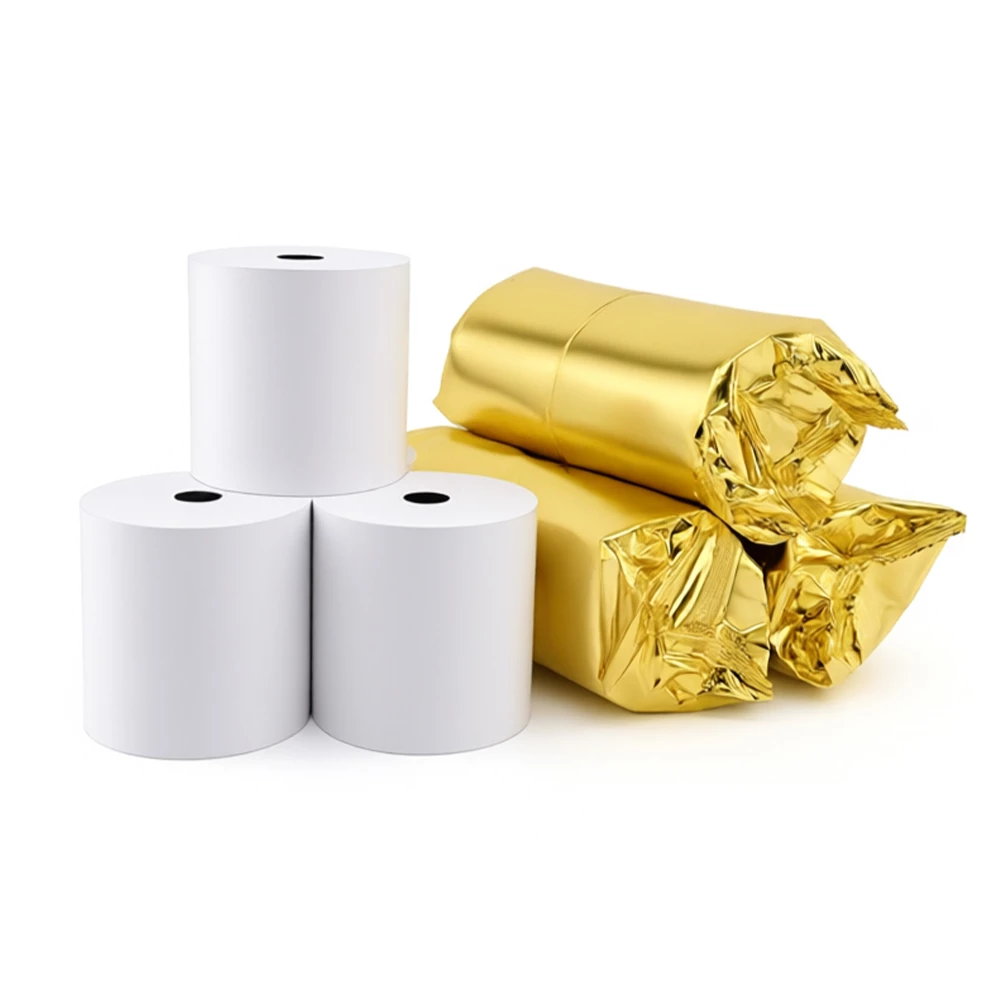
Review wrapping, seal integrity, inner count, carton strength, moisture barrier, pallet pattern, and edge protection as one system. Decorative wrapping may support presentation, but appearance alone does not prove barrier performance.
The site lists custom sizes and bulk thermal-roll supply. Convert that broad capability into a written packing specification with roll orientation, quantity per inner pack and carton, carton dimensions, gross and net weight basis, markings, and acceptance criteria. This makes freight calculations and receipt inspection more reliable.
Use Evidence Gates Before Comparing Final Quotes
A staged review keeps price from outrunning proof: confirm document fit, test identified samples, then check a representative production lot before expanding volume.
| Gate | Evidence | Question It Resolves | Do Not Accept as a Substitute |
|---|---|---|---|
| Specification fit | Printer matrix, roll drawing, tolerances, paper grade, and winding direction | Will the proposed roll physically suit the installed equipment? | “Universal” or “standard” without dimensions |
| Material fit | Grade data, applicable declarations, image test basis, and storage guidance | Does the paper behavior match the use and record-life need? | An unsupported “premium” label |
| Sample fit | Identified sample lot tested across representative printers | Does output remain readable and feeding stable in the actual fleet? | A photo of a dark fingernail scratch |
| Production fit | Lot inspection record, packing check, traceability, and approved deviations | Can the sample result be carried into the commercial order? | An unrelated certificate or factory photo |
| Delivery fit | Carton plan, pallet plan, shipment basis, and receipt-inspection method | Will the correct quantity arrive protected and identifiable? | A unit price with no packing basis |
Record every exception beside the quote. Differences in diameter, paper, core, wrapping, or testing should remain visible; otherwise a precise-looking comparison may hide different products.
Frequently Asked Questions
What should be included in a thermal paper roll specification?
Include printer models, paper width and tolerance, maximum roll diameter, core dimensions or coreless requirement, winding direction, paper grade or performance criteria, image-life need, end treatment, wrapping, pack count, carton requirements, and the agreed inspection method.
Can one sample roll qualify a manufacturer?
No. A sample can demonstrate fit and print behavior for an identified lot, but supplier qualification also needs evidence that the commercial process, materials, inspection, packing, and change controls can reproduce the approved result.
Why does humidity matter when sourcing thermal rolls?
Paper can absorb or release moisture, which may change physical behavior, while prolonged heat and humidity can affect thermal function and image contrast for some grades. Use the offered grade’s documented storage guidance and protect rolls through the actual distribution route.
How should two thermal paper quotations be normalized?
Compare the same dimensions and tolerances, paper grade, length or roll-yield basis, core, wrapping, carton count, inspection scope, quantity, shipment terms, and destination. List deviations explicitly before calculating any unit or landed-cost difference.
A sound choice is the manufacturer that makes the roll, evidence, and exceptions equally visible. Machine fit, material behavior, converting control, packing, and traceability should be resolved before a small price difference is treated as a saving.
For a project-specific check, submit the printer matrix, roll drawing, performance needs, wrapping preference, quantity, and delivery basis through the manufacturer’s inquiry form, asking the response to identify every proposed tolerance and deviation.
 You May Also Like